- US-Canada trade negotiations have collapsed, leading to the imposition of tariffs, as Carney resisted U.S. pressure during the talks.
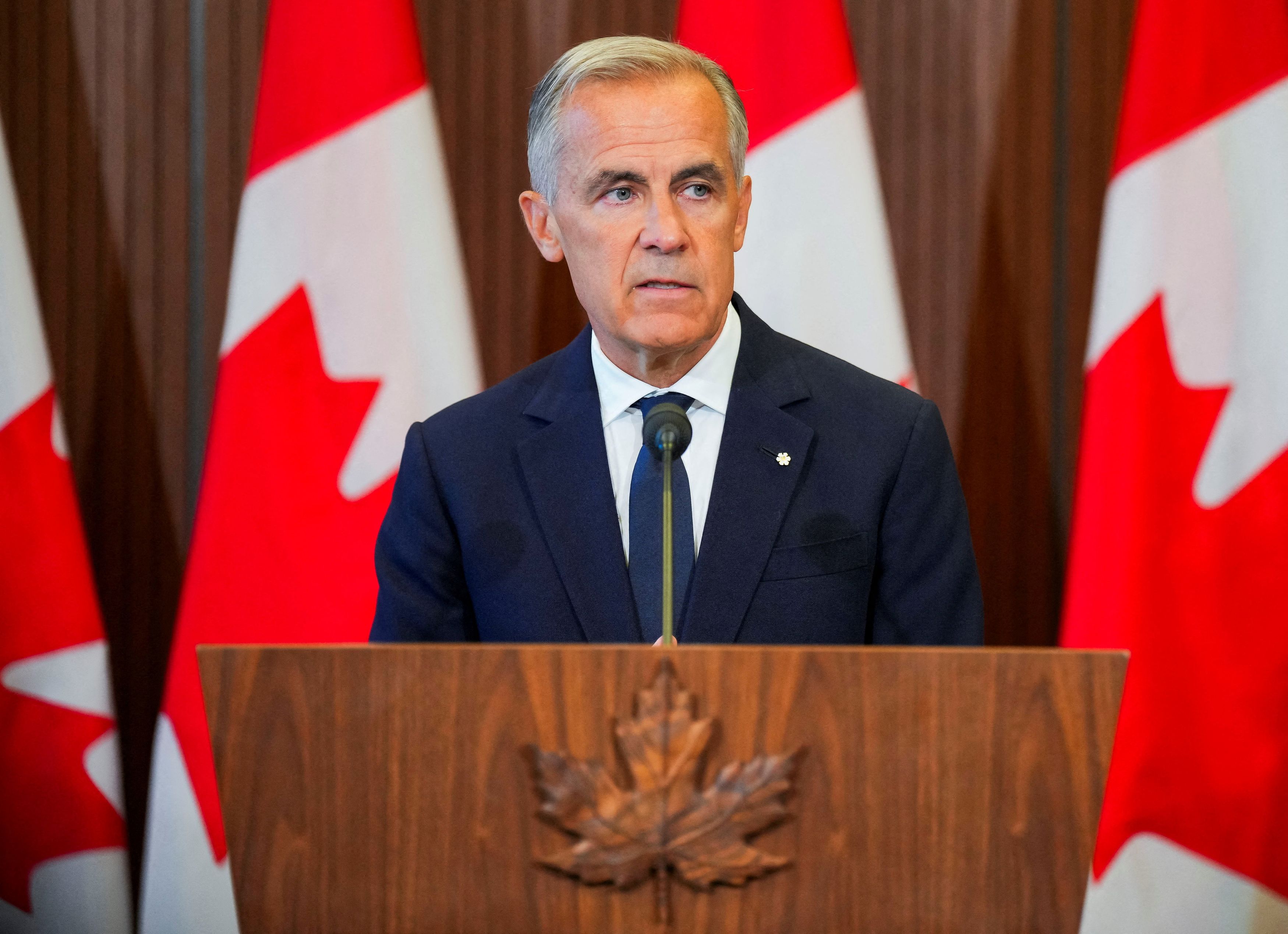
- Carney stated that Washington introduced unacceptable language in the final hours of negotiations that would have restricted Canada’s ability to make trade deals with other countries, calling it a question of sovereignty.
- Trump emphasized Canada's dependence on the United States, stating, 'Canada lives because of the United States.'
- On Truth Social, Trump accused Canada of wanting state benefits without being a state, claiming they have charged U.S. farmers massive tariffs for years.
- U.S. Trade Representative Jamieson Greer rejected Canada's account of the negotiations, stating that Ottawa introduced new demands and backed away from commitments.
- Experts believe this situation is a test of Carney's strategy and could lead to a potential domino effect among other middle powers.
- Before becoming prime minister, Carney warned about economic coercion and argued that middle powers must withstand pressure from great powers.
- Historian Robert Bothwell noted that Canada is uniquely vulnerable to U.S. pressure, stating, 'No country is more exposed than Canada.'
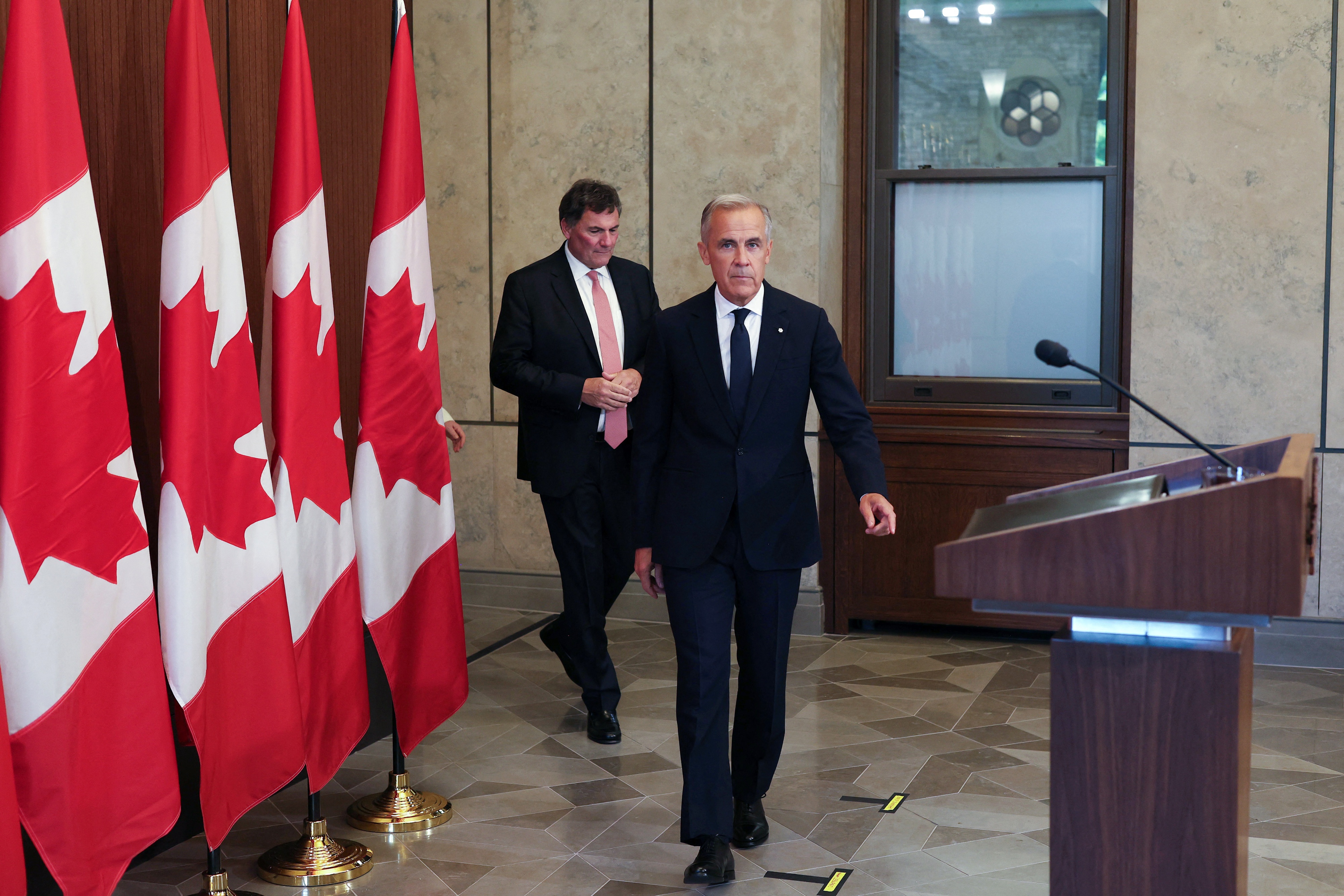
Tensions escalated late Friday when Canada walked away from trade negotiations, concluding that the U.S. was demanding too much for tariff relief. The U.S. retaliated with 50% duties on US$20 billion worth of Canadian goods, prompting Carney to announce dollar-for-dollar retaliation starting Sept. 8.
Carney's decision reflects a broader strategy of resisting economic pressure from larger powers, asserting that sovereignty is at stake. He described U.S. demands as 'unacceptable' and a 'question of sovereignty,' warning that middle powers must withstand such pressures to maintain independence.34
Historian Robert Bothwell noted that Canada is uniquely vulnerable to U.S. pressure, stating, 'No country is more exposed than Canada.' Nearly three-quarters of Canadian exports go to the U.S., whose economy is roughly 10 times larger.10
Trump, emphasizing Canada's dependence, remarked, 'Canada lives because of the United States,' and criticized Canada for imposing tariffs on U.S. farmers. U.S. Trade Representative Jamieson Greer countered that Canada introduced new demands, leading to the breakdown in talks.7
As tensions rise, political analysts like Nelson Wiseman suggest that Carney's approach could influence other middle powers, questioning whether Canada’s resistance will spark a 'domino effect' among allies.
Carney's stance has garnered support, with former Italian Prime Minister Paolo Gentiloni expressing admiration for his remarks, indicating a potential shift in international trade dynamics.
“Carney called Washington's last-minute demand to restrict Canada's trade deals 'unacceptable' and 'a question of sovereignty,' while British Columbia Premier David Eby warned it would reduce Canada 'to the economic equivalent of the 51st state.' U.S. Trade Representative Jamieson Greer countered that Ottawa backed away from commitments, raising the prospect of further escalation.”