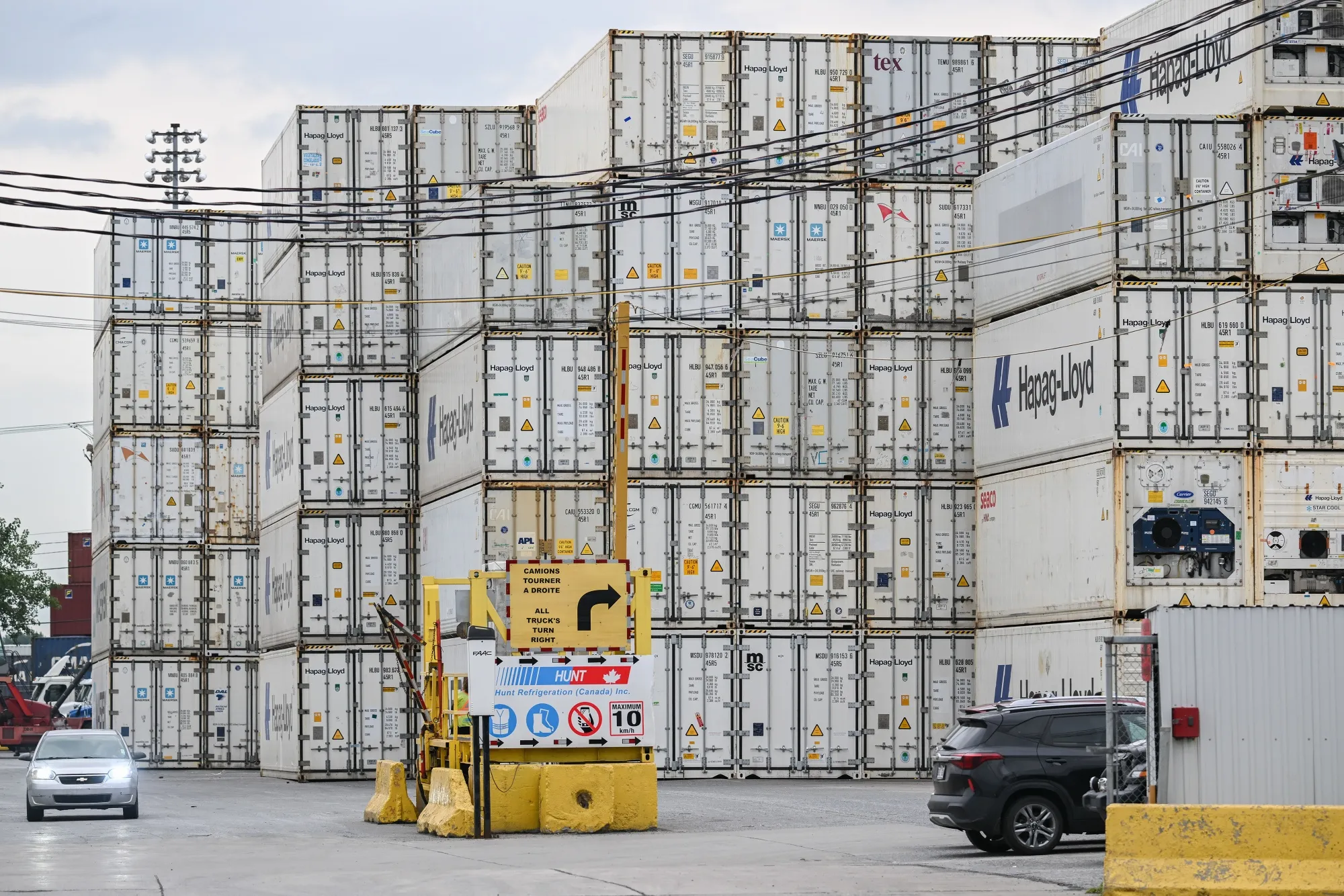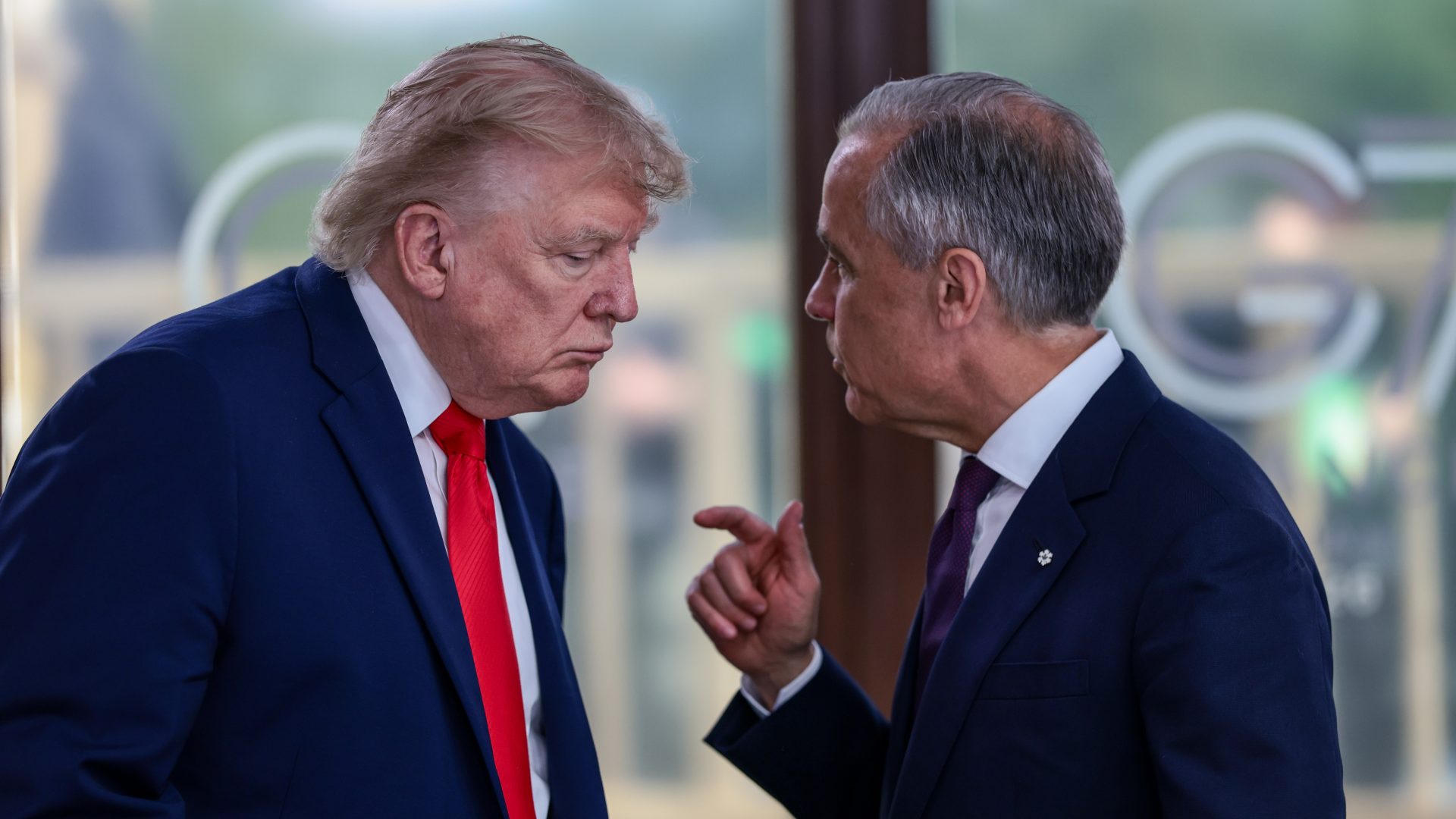
- Canada walked out of negotiations, with a deal apparently on the verge of completion, mere hours before tariffs on a range of Canadian exports were due to kick in. Dollar-for-dollar retaliatory tariffs, scheduled to take effect on 8 September, will follow in turn.
- In subsequent interviews with Bloomberg, the Canadian ambassador to the US said there was no specific item that put a deal out of reach; rather, it was a range of issues in which the text that ultimately wound up on the page did not align with what the Canadians thought they had agreed to.
- The most contentious issues appear to be related to tariffs on autos, digital and cultural policy, and the US claiming the right to veto Canada’s attempts to form trade alliances with other countries.
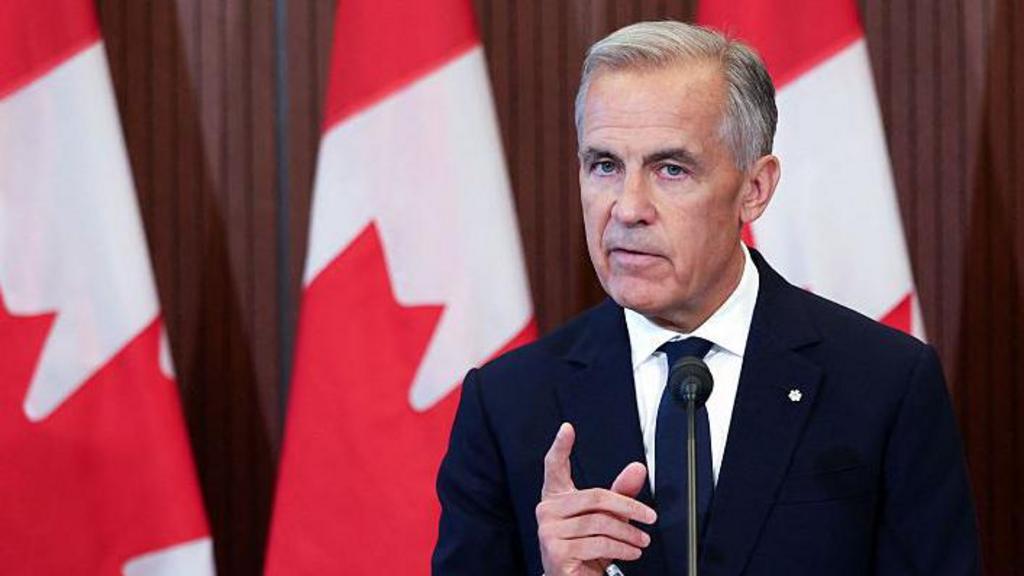
- Canadian voters, who were pensive about the prospect of any new deal with the US in the first place, have come out against the prime minister.
- Despite the deal’s collapse, the mood is one of sustained and general anger toward the US, born of a real and visceral sense of betrayal: that the people we trusted with shared security and military obligations, that the nation with which we allowed ourselves to grow economically interdependent, has turned on us.
- Canadians have no reason to trust this administration not to unilaterally impose new tariffs on a whim – which it has done, repeatedly, and as recently as this week.
- The US does not provide Canadian security – although many commentators, including myself, do criticise our lax military spending. The North American Aerospace Defense Command (NORAD) is a fully integrated entity of both the Canadian and US military.
Canada's abrupt exit from trade talks comes just hours before the U.S. is set to impose tariffs on a range of Canadian exports. The retaliatory tariffs, effective September 8, reflect deepening mistrust between the two nations over contentious issues like auto tariffs and trade alliances.1
In a statement, Carney described last-minute U.S. demands as “uneconomic,” raising doubts about the reliability of any potential deal. The Canadian ambassador noted that the failure to reach an agreement stemmed from a “range of issues” rather than a single sticking point, indicating a significant disconnect in expectations.
The most contentious topics include tariffs on autos, digital and cultural policy, and the U.S. asserting the right to veto Canada’s trade partnerships with other countries. This has led to a growing sentiment among Canadians of betrayal, as they feel the U.S. has turned against a long-standing economic partnership.356
Despite the looming economic penalties from the deal's collapse, public sentiment in Canada is marked by sustained anger towards the U.S., driven by a sense of betrayal rather than specific trade irritants. Many Canadians are questioning the reliability of the U.S. as a partner, especially given its history of unilateral tariff impositions.
As the situation unfolds, the implications for both economies remain uncertain, with Canadian voters expressing skepticism about any new agreements with the U.S.
“The Canadian ambassador told Bloomberg the breakdown stemmed from a range of issues, not a single item, including auto tariffs and US veto power over Canada's trade alliances. Canadians, feeling betrayed, have turned against the prime minister amid sustained anger toward the US.”


 The Guardian