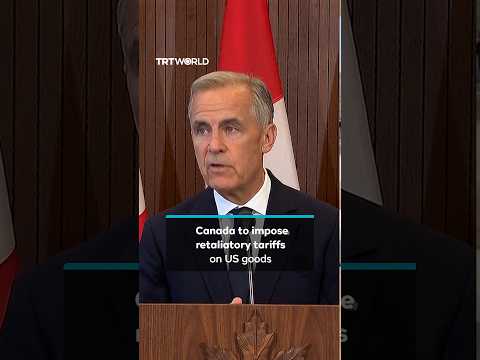
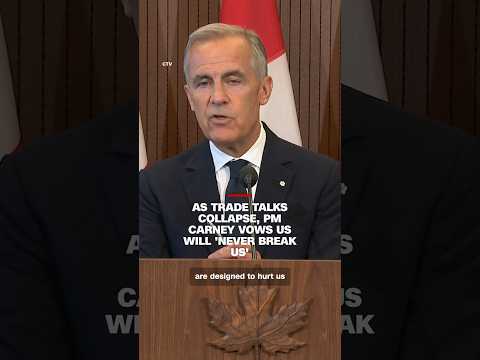
- US President Donald Trump imposes 50% levies on around USD 20 billion worth of Canadian goods.
- Late Friday, Carney suspends trade talks and recalls Canada's negotiating team, citing 'unfair' last-minute changes.
- US Trade Representative Jamieson Greer announces no deal was reached, saying Canada 'declined to finalize' and made 'new demands and walk backs.'
- Carney announces 'dollar-for-dollar' retaliatory tariffs on American goods from September 8, saying 'You're at war when you're attacked, and we got attacked.'
- Most premiers back Carney, with Alberta's Danielle Smith as the exception; Manitoba's Wab Kinew urges Canadians to outlast Trump.
- The breakdown in talks marked a sharp reversal from just 48 hours earlier, when officials from both sides appeared close to reaching an agreement after three days of negotiations in Washington between Canadian Minister responsible for US Trade Dominic LeBlanc and Jamieson Greer.
- The two sides failed to reach an agreement despite more than a year of negotiations, prompting Carney to suspend the talks and direct Canada's negotiating team to return to Ottawa.
- Carney said Ottawa had been prepared to remove its existing counter-tariffs on US aluminum, steel and motor vehicles if Washington substantially reduced its own levies, but the final terms were unacceptable.
- The collapse of the talks has cast fresh uncertainty over the future of the USMCA, the trilateral trade agreement between the United States, Canada and Mexico.
- More than 70 per cent of Canadian goods exports go to the US, and trade in goods and services accounts for about two-thirds of Canada's GDP, while exports support nearly one in five Canadian jobs.
Canada has officially walked away from trade negotiations with the U.S. as Prime Minister Mark Carney announced retaliatory tariffs on American goods effective September 8, following the U.S. imposing 50% tariffs on approximately USD 20 billion worth of Canadian products.14
Carney stated, "You're at war when you're attacked, and we got attacked," emphasizing the need for Canada to respond decisively. He criticized the U.S. for making "unfair" last-minute changes to the deal, which he deemed unacceptable.
The breakdown in talks marks a significant shift in Canada's trade relationship with the U.S., with Carney noting, "We’ve recognized from the start that America has changed." He highlighted that the U.S. proposal would have compromised Canada's sovereignty and economic interests.
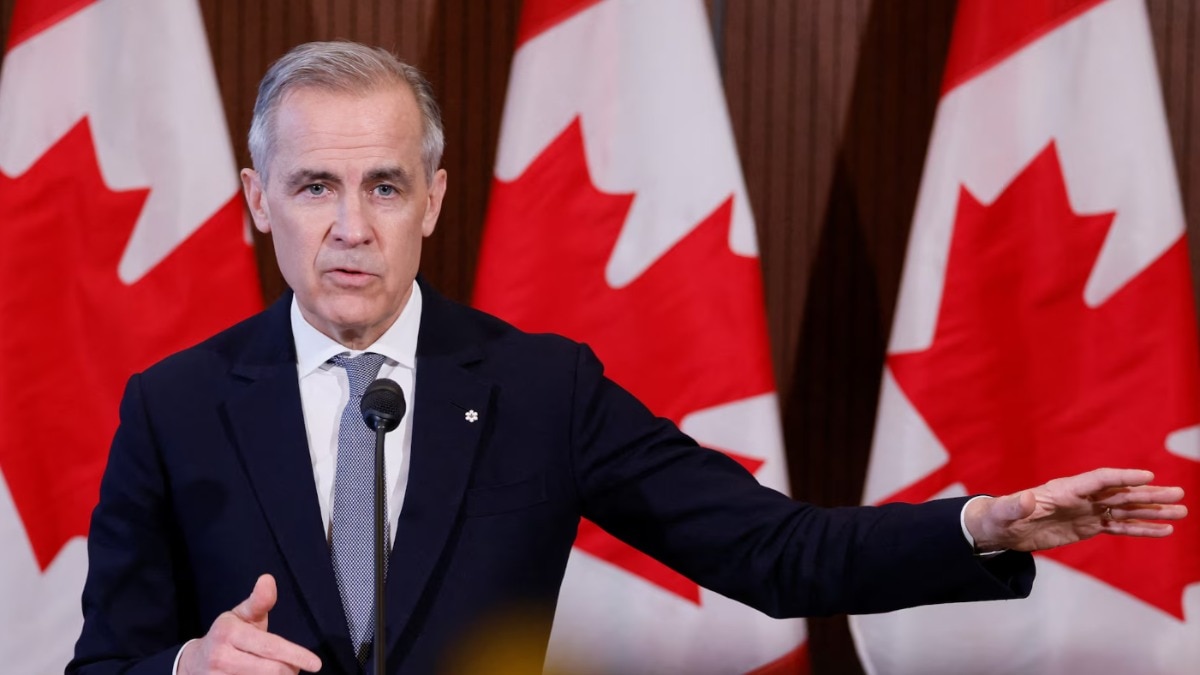
Most Canadian premiers support Carney's decision, with Manitoba Premier Wab Kinew urging Canadians to remain resilient against U.S. tariff threats. Kinew remarked, "Donald Trump has certainly changed the world, but he hasn't changed us."
The collapse of negotiations raises concerns about the future of the USMCA, the trilateral trade agreement that governs a significant portion of North American commerce.9
According to the Canadian government's State of Trade 2026 report, over 70% of Canadian goods exports are directed to the U.S., with trade in goods and services accounting for about two-thirds of Canada's GDP.
“Most premiers back Carney, but Alberta's Danielle Smith wants talks to resume. The collapse casts uncertainty over USMCA, as more than 70% of Canadian goods exports go to the US, and trade accounts for about two-thirds of Canada's GDP.”