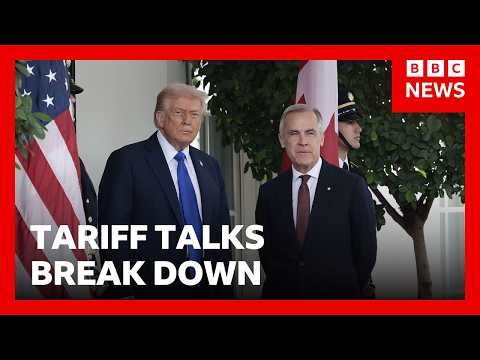
- U.S. imposes 50% tariff on a range of Canadian exports starting Saturday, after trade talks failed to reach a new deal before the deadline set by President Donald Trump.
- Trump threatened new tariffs in July to pressure Canada on various trade issues, including alcohol import bans and tariffs on U.S. auto exports.
- Negotiations broke off just before midnight Friday, as both Mark Carney and U.S. Trade Representative Jamieson Greer confirmed that no deal had been reached.
- Canada will match tariffs dollar for dollar and introduce additional support measures to protect its workers and businesses.
- New U.S. tariffs were initially set to take effect on Aug. 19 but were delayed by three days to allow for further negotiations.
- Tariffs affect roughly 5% of all Canadian exports to the U.S., amounting to about $28 billion annually.
- Canada's trade strategy has focused on building strength at home and diversifying partnerships abroad, aiming for a fair deal with the U.S.
Trade negotiations between Canada and the U.S. have collapsed as President Trump imposed a 50% tariff on approximately $28 billion of Canadian exports. Prime Minister Mark Carney announced the suspension of talks, stating that last-minute changes in U.S. terms were unfair and uneconomic.
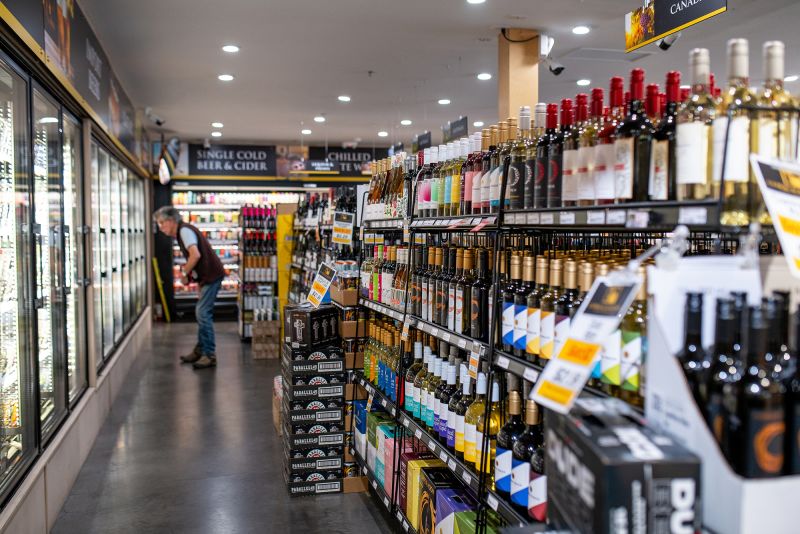
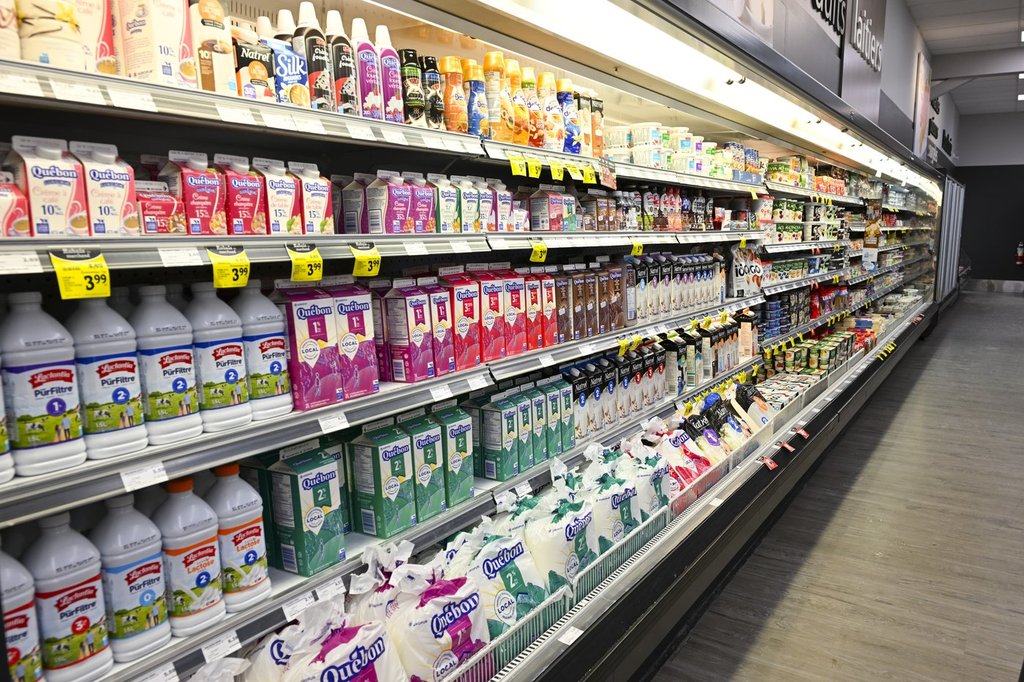
The tariffs, effective immediately, will impact about 5% of Canada’s exports to the U.S., which are grouped under three executive orders related to motor vehicles, dairy, and alcohol. The U.S. had initially delayed the tariffs to allow for negotiations, but with no agreement reached, the tariffs are now in effect.
Carney emphasized that Canada would respond by matching the tariffs dollar for dollar to protect Canadian workers and businesses. He noted that the Canadian government has provided nearly $25 billion in support over the past 18 months and will introduce additional measures to assist affected sectors.
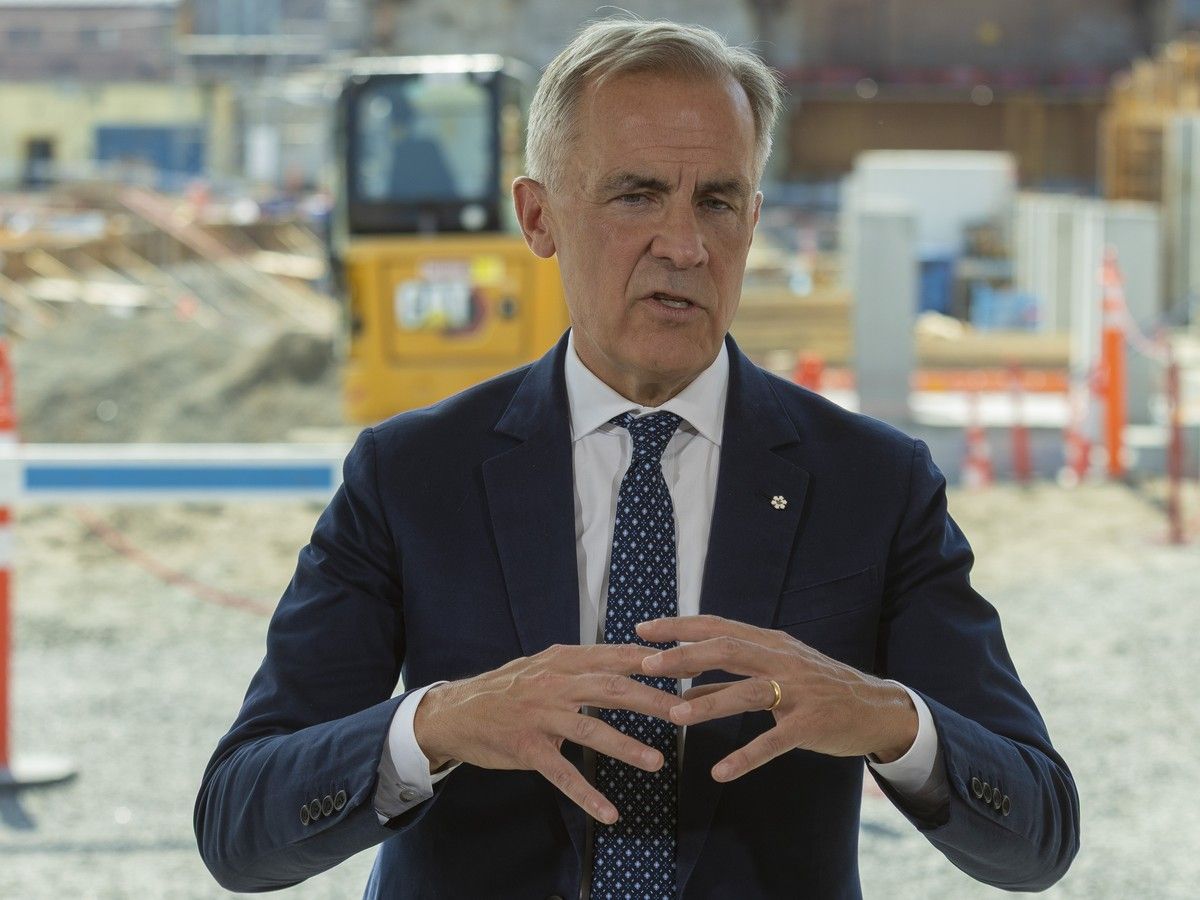
Despite the setback, Carney highlighted that Canada is making strides in other areas, with foreign direct investment at its highest in two decades and a projected acceleration in economic growth, aiming for the second-fastest growth in the G7 over the next two years. Our economy is creating jobs at four times the rate of the United States, and exports to non-U.S. markets are expected to double over the next decade.
The breakdown in talks reflects a broader shift in U.S. trade policy, with Canada recognizing that America has changed and that the previous trade relationship may not be restored.
“The new tariffs apply to roughly five per cent of Canada's exports to the U.S., valued at about $28 billion annually, and are grouped by executive orders themed around motor vehicles, dairy, and alcohol. Carney also announced nearly $25 billion in support for workers and businesses over the past 18 months.”





 Global News