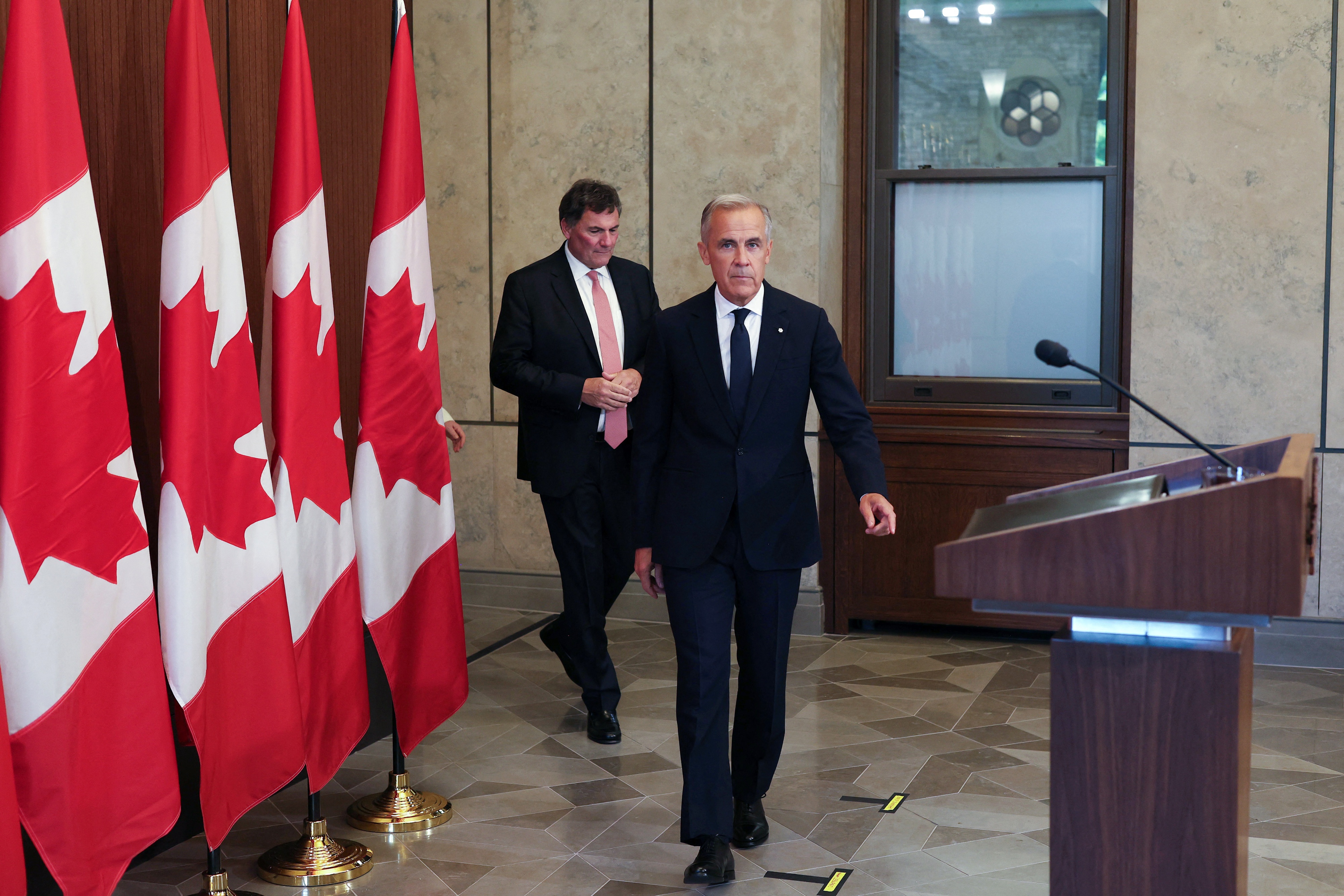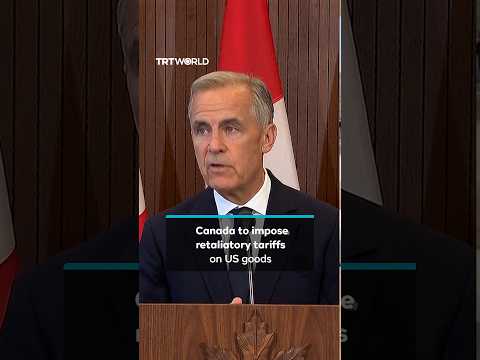
- Canada’s premiers attempted to present a united front behind Prime Minister’s decision to walk away from U.S. trade talks, but divisions emerged over next steps.
- Several premiers, including Ontario’s Doug Ford, B.C.’s David Eby, Manitoba’s Wab Kinew, and Saskatchewan’s Scott Moe, backed Mr. Carney’s move to scrap the deal and retaliate with tariffs.
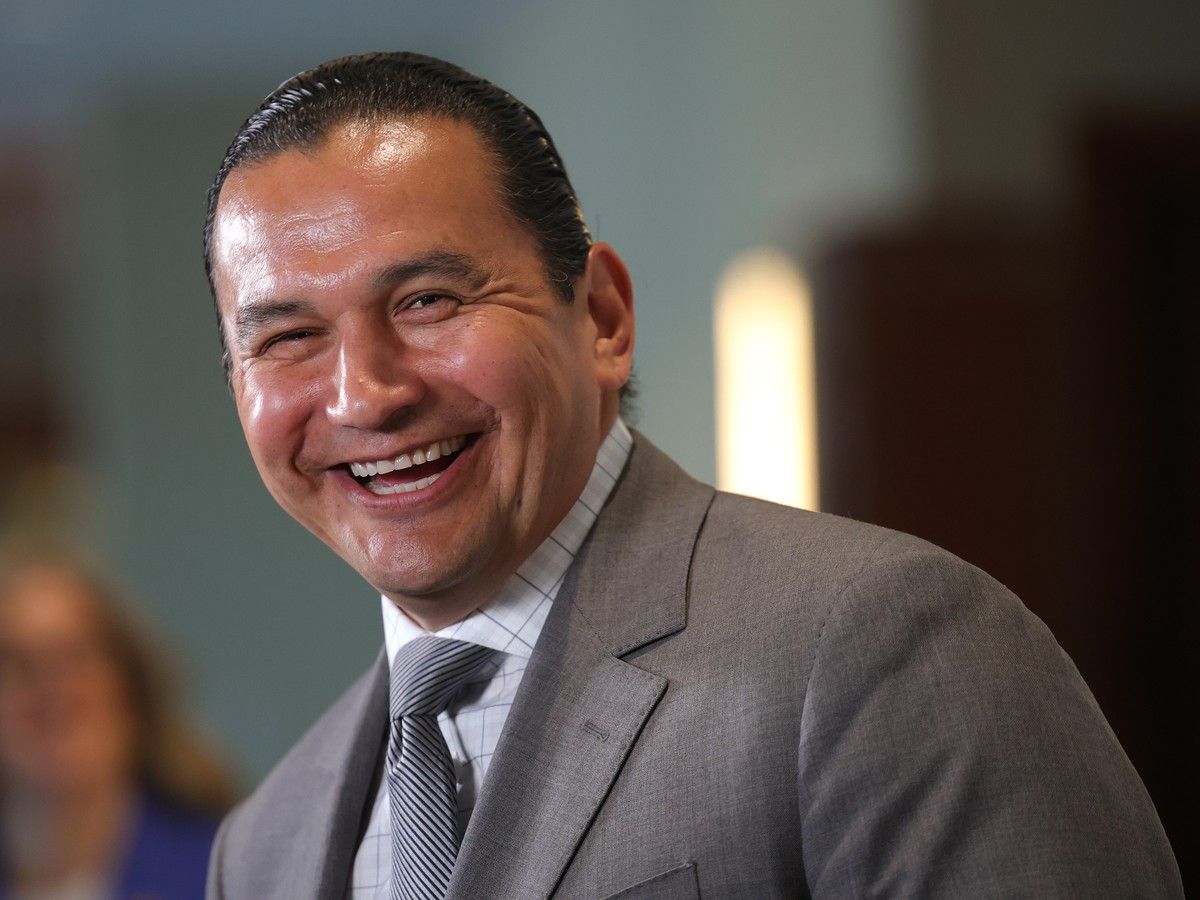
- Manitoba Premier Wab Kinew called the U.S. tariffs “immoral and unjustified.”
- Ontario Premier Doug Ford supported Mr. Carney’s decision to scrap the “terrible deal” and criticized U.S. President Trump, saying he is “not to be trusted whatsoever.”
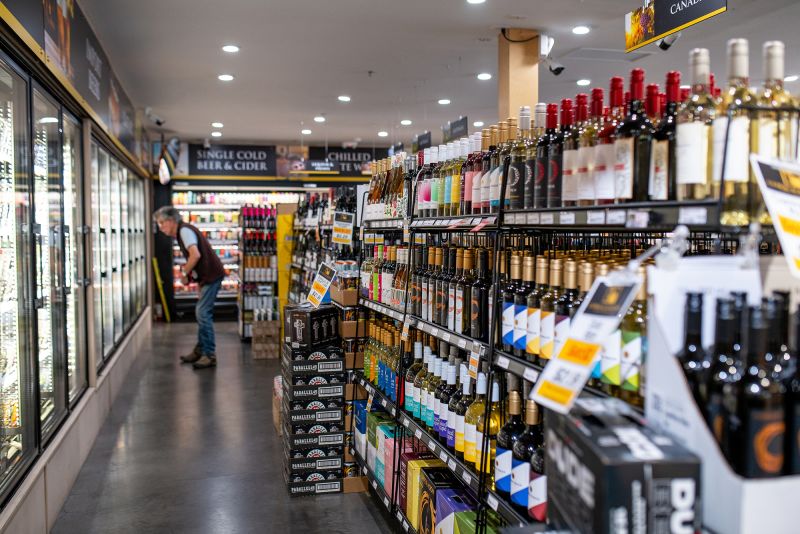
- Ford supported “dollar-for-dollar” tariffs on U.S. goods, and he and Eby both made clear that U.S. booze would remain off provincial liquor-store shelves.
- Quebec Premier Christine Fréchette supported walking away from U.S. proposals that crossed “red lines,” including removing bilingual labelling regulations and weakening policies that support French culture.
- Alberta Premier Danielle Smith cautioned against retaliatory tariffs, noting that many Canadian consumers and businesses, including Alberta farmers, will pay 50-per-cent tariffs on U.S. products they need.
- Nova Scotia Premier Tim Houston expressed support for Mr. Carney’s decision but cautioned about the impact of retaliatory tariffs, saying “this will have a massive impact” on a number of Canadians.
Canadian premiers expressed support for Prime Minister Carney's decision to withdraw from U.S. trade negotiations due to new tariffs, but divisions emerged regarding the next steps. Ontario's Doug Ford described the deal as a “terrible deal” and supported retaliatory tariffs, stating, “President Trump is the type of person that would steal your lunch money”.145
Manitoba's Wab Kinew condemned the U.S. tariffs as “immoral and unjustified”, while Quebec Premier Christine Fréchette praised the decision to walk away from proposals that threatened her province's cultural identity. She emphasized, “Our culture, our language, is central to our identity”.389
However, Alberta's Danielle Smith and Nova Scotia's Tim Houston voiced caution regarding retaliatory tariffs. Smith warned that “many Canadian consumers and businesses” would suffer from increased costs, while Houston noted the potential long-term impacts on Canadians, stating, “this will have a massive impact on a number of Canadians”.
As the premiers navigate these complex issues, the future of Canada-U.S. trade relations remains uncertain, with economic repercussions looming for both nations.
“Ontario's Doug Ford called the deal 'terrible' and said Trump is 'not to be trusted whatsoever,' while Alberta's Danielle Smith cautioned that retaliation will hit Canadian consumers and businesses, including farmers, with 50-per-cent tariffs. Quebec's Christine Fréchette cited 'red lines' on bilingual labelling and French culture.”

 The Globe and Mail