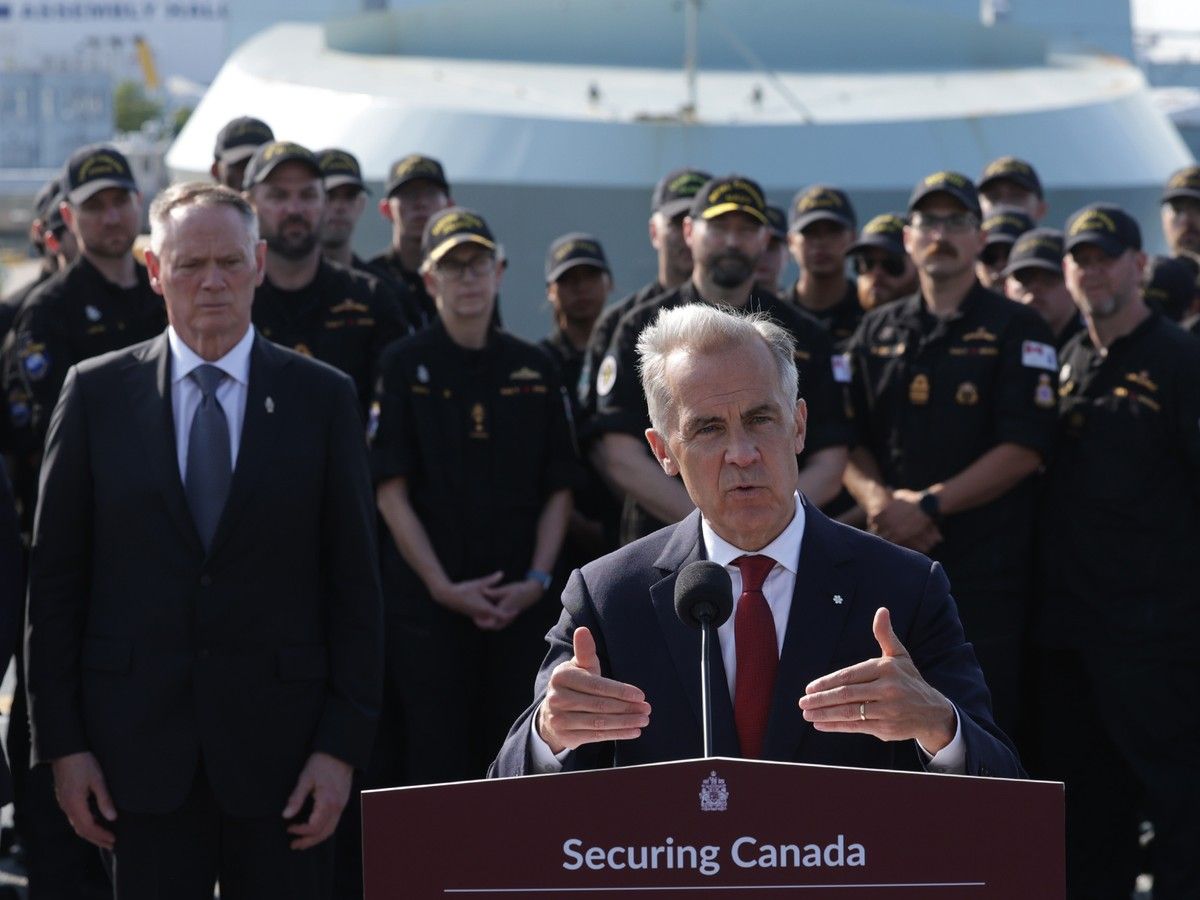
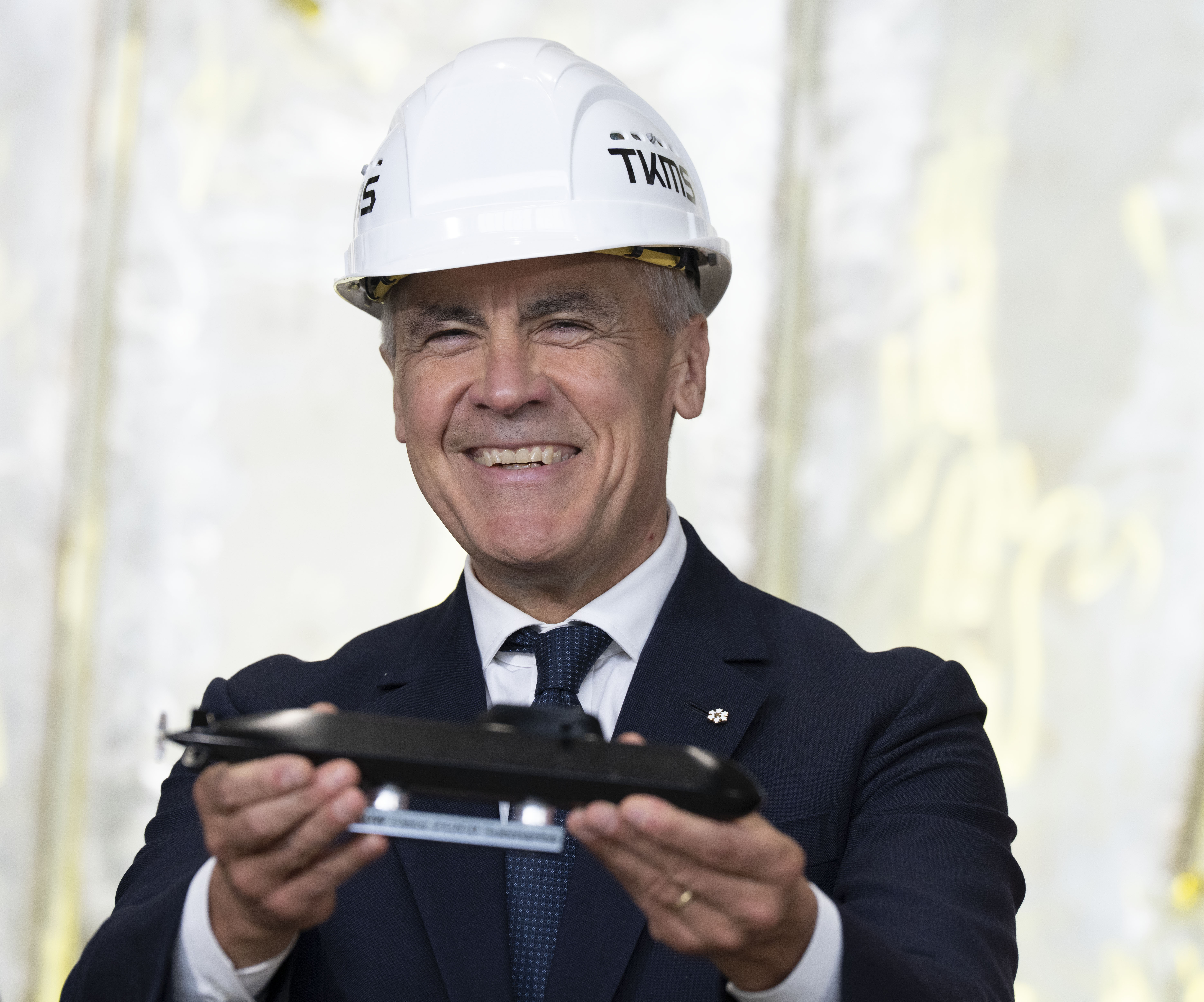
- Canada has selected Germany's TKMS to build up to 12 submarines, marking the largest defence purchase in the nation's history.
- Deliveries of the first four submarines are expected by 2034, with TKMS reallocating boats from German and Norwegian orders.
- The procurement will create and sustain over 100,000 jobs and add $86 billion to Canada's GDP, according to the German defence minister.
- The contract is expected to be finalised by end of next year at the latest, with the first four submarines delivered by 2034.
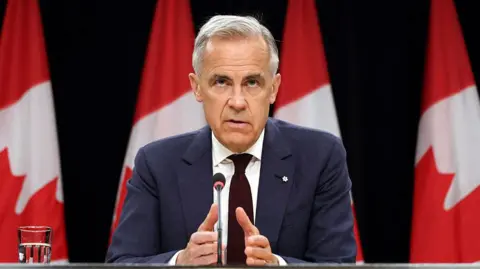
- Carney described the decision as a "difficult, close decision between two highly qualified suppliers" and said TKMS subs will strengthen partnerships with trusted allies.
- The submarine program is valued at up to $24 billion for purchase, with lifetime costs reaching $100 billion or more.
- Carney emphasized the submarines will help assert Canadian sovereignty in the Arctic, combined with icebreakers, aircraft, radar, missiles, and new infrastructure.
- TKMS CEO Oliver Burkhard called this the "largest single order in the history of TKMS" and a "new chapter of defence cooperation" between Canada, Germany, and Norway.
- Carney stated that Canada is making the procurement with "speed, ambition, and discipline" in a "more dangerous and divided world".
- The decision is five years ahead of original schedule, and TKMS CEO said first subs could be delivered before 2034.
- The choice has geostrategic implications, pulling Canada closer to Europe amid U.S. tensions with NATO.
Canada has officially chosen Germany's ThyssenKrupp Marine Systems (TKMS) to construct a new fleet of up to 12 submarines, a decision announced by Prime Minister Mark Carney in Halifax.1
This procurement is set to be the largest in Canadian history, with estimates suggesting costs could exceed $80 billion.

Carney emphasized that the deal will create over 100,000 well-paying jobs across the country and is expected to add $86 billion to Canada's GDP. The first four submarines are anticipated to be delivered by 2034, with TKMS offering to expedite the process by reallocating production slots from German and Norwegian orders.24

The decision to partner with TKMS over South Korea's Hanwha Ocean reflects Canada's strategic shift towards strengthening ties with European NATO allies. Carney stated, "This was a difficult, close decision between two highly qualified suppliers," highlighting the competitive nature of the bidding process.11
The new submarines will replace Canada's aging Victoria-class fleet, which has faced operational challenges since their acquisition in the late 1990s. Currently, only one of the four submarines is fully operational.

Carney noted that the procurement is not just about acquiring submarines but also about building Canadian industrial capacity, with a commitment that the value of the investment must be matched by equivalent investments in Canada.
As Canada aims to increase its military spending to 5% of GDP by 2035, this procurement marks a significant step in enhancing the country's naval capabilities and asserting its sovereignty, particularly in Arctic waters.
"In a more dangerous and divided world, Canada must be prepared to defend our interests," Carney said, underscoring the importance of this military investment.
“Contract negotiations with TKMS, expected to take 6 to 18 months, aim to conclude by end of 2027; if unsuccessful, Canada may turn to South Korea's Hanwha Ocean. The project is forecast to create over 100,000 jobs and add $86 billion to Canada's GDP, with TKMS required to match Canada's overseas investment.”
 WRAL
WRAL BBC
BBC Global News



