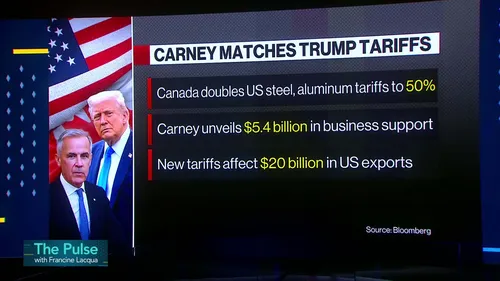
- Canada has imposed new tariffs on U.S. goods, including clothing, cheese, metal parts, and wood products.
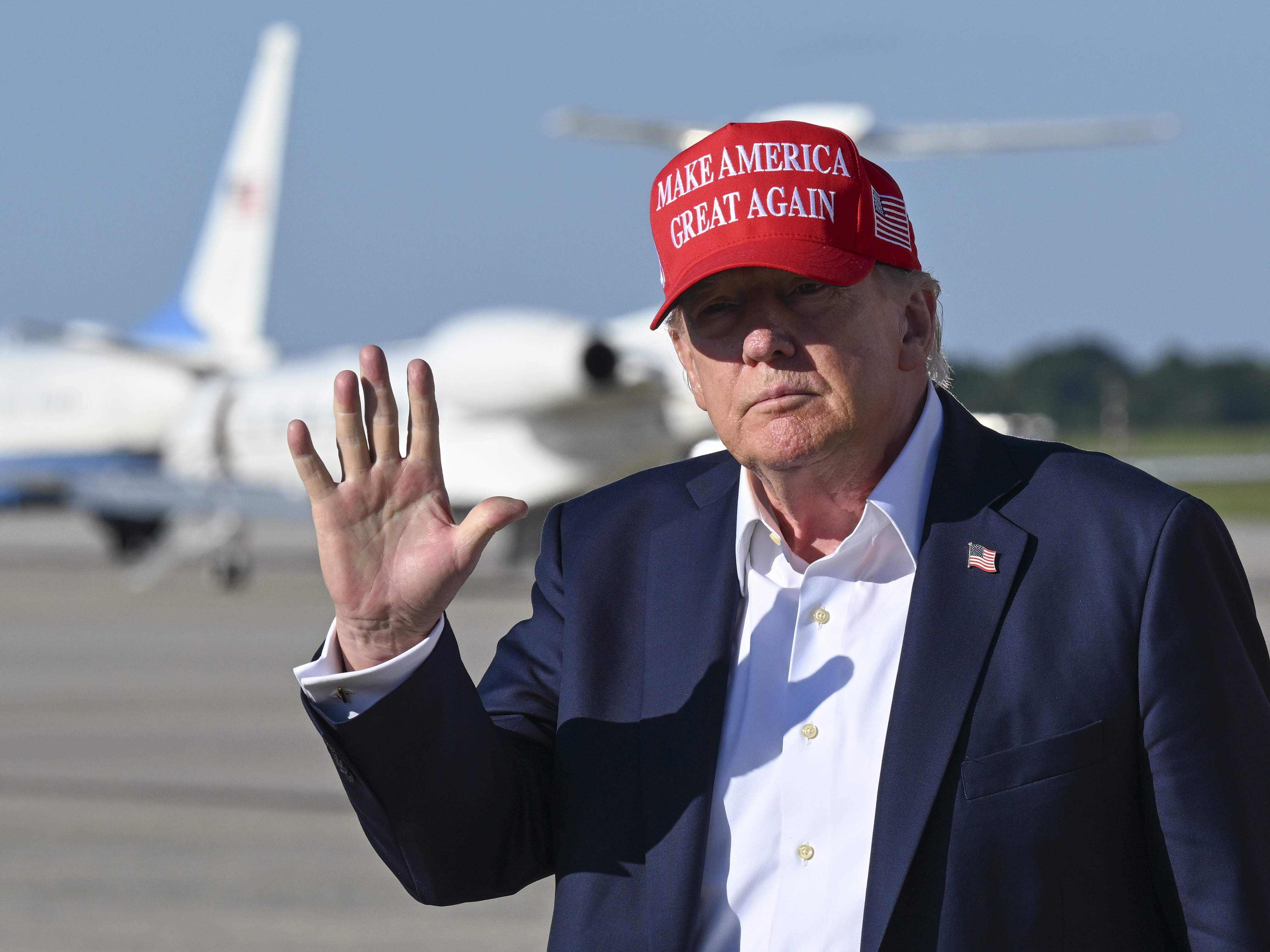
- President Donald Trump has threatened additional tariffs on auto imports from Canada and suggested halting bilateral trade outright.
- Hours before Canada’s new tariffs took effect, Trump attacked Bombardier on social media, claiming there would be 'NO MORE SELLING BOMBARDIER IN THE UNITED STATES!'
- The approach of Canada’s tariffs is meant to mimic the taxes that President Trump imposed after trade talks between the two neighbors collapsed in acrimony last month.
- The economic effects of the tit-for-tat tariffs may be limited, as they encompass only a small portion of the annual trade between the United States and Canada.
- There is a pressing concern about a potential cycle of retaliation that could result in even higher and more exhaustive duties, harming families and businesses on both sides of the border.
- In Canada, Prime Minister Mark Carney has positioned himself as a bulwark against Trump’s trade aggression, describing his nation as 'at war.'
- Canadian officials have pledged to respond 'dollar for dollar' to any U.S. duties.
- The spat with Canada is evidence that Trump remains committed to his disruptive strategy of trade brinkmanship.
- Despite numerous court defeats and international disputes, tariffs remain Trump's preferred tool to boost domestic manufacturing and broker better trade deals.
- Bombardier stated that aerospace products are a top American export and that the company makes crucial components such as wings in California and Texas.
- Bombardier emphasized its role as a strong contributor to the sector, creating tens of thousands of jobs across the United States.
Canada's new tariffs on U.S. goods, effective Tuesday, target about $20 billion in imports, including clothing and cheese, marking a significant escalation in the ongoing trade war. This move mirrors the tariffs imposed by President Trump after failed trade negotiations last month.1
The tariffs encompass a range of products, such as metal parts and wood products, and are part of a broader strategy by Canadian officials to respond “dollar for dollar” to U.S. duties. Prime Minister Mark Carney has described the situation as “at war” with Trump’s administration, which has threatened further tariffs on Canadian auto imports and even suggested halting bilateral trade altogether.27
The economic impact of these tariffs may be limited initially, as they affect only a small portion of the annual trade between the two countries. However, the potential for a cycle of retaliation raises concerns about escalating duties that could harm families and businesses on both sides of the border.6
In a related development, Trump targeted Bombardier, a Canadian aerospace manufacturer, claiming there would be “NO MORE SELLING BOMBARDIER IN THE UNITED STATES!” Bombardier responded by highlighting its significant contributions to the U.S. economy, stating it creates tens of thousands of jobs across the country.3
Despite facing numerous legal challenges and international disputes, Trump remains committed to using tariffs as a tool to boost domestic manufacturing and negotiate better trade deals.
“The tariffs cover only a small portion of annual trade, but the bigger risk is a retaliation cycle that could escalate. Prime Minister Mark Carney has described Canada as 'at war,' and officials pledge to respond 'dollar for dollar' to U.S. duties.”