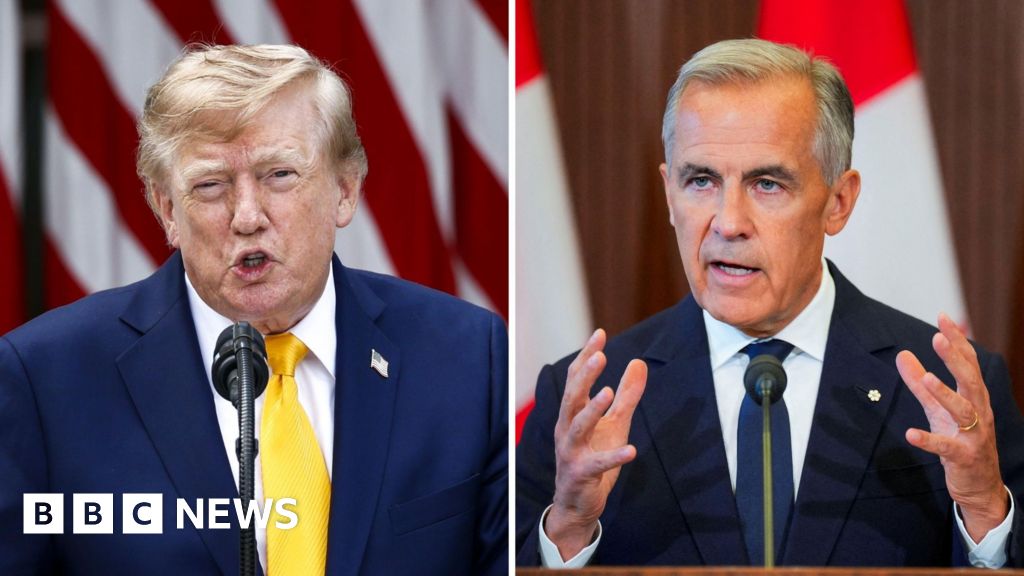
- Canada pledged to roll out “dollar-for-dollar” retaliatory tariffs on hundreds of US goods next month, prompting Trump to denounce the nation as “difficult and unreasonable”.
- Canada walked out of negotiations hours before the on roughly $20bn (£14.6bn) of Canadian goods kicked in on Saturday, with Carney accusing the US of using “economic integration as a weapon”.
- Polling over the weekend found strong majority support for Carney’s stance in every Canadian province, and a mood of steadfast defiance can be read across Canada’s media.
- A grassroots boycott has emerged as a consumer-driven response to the tariff war, with supermarket scanning apps like Maple Scan springing up to help users buy Canadian.
- After Canadian visitor numbers fell by 26% in 2025, New York state launched a “NY loves Canada” promotional campaign this month to woo back its northern neighbours.
- Carney – who has consolidated support for his previously ailing Liberals – is enjoying “a key political win”, defending totemic language rights that are seen as integral to Canada’s cultural fabric.
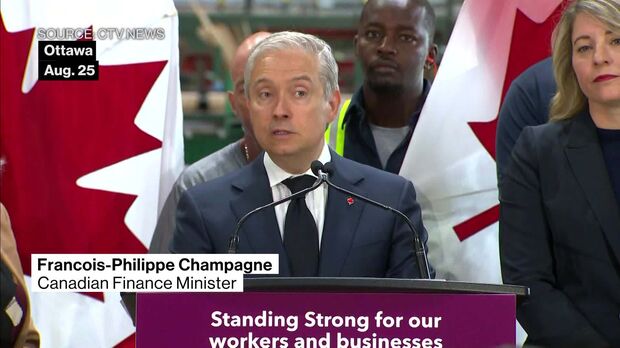
Canada's trade dispute with the US escalated this week as the government announced retaliatory tariffs on hundreds of American goods, a move described by Finance Minister Carney as a defense of national sovereignty.
The tariffs, set to be implemented next month, follow the US's imposition of tariffs on Canadian imports, which Carney claims breaches cultural protections for French language in Quebec.
“What we see now is near uniform support for the prime minister,” says Leyland, highlighting a surge in national unity among Canadians.
The public's backing for Carney's stance is reflected in recent polling, which shows strong majority support across all provinces. This sentiment is further fueled by a grassroots boycott of US goods, with initiatives like Maple Scan helping consumers choose Canadian products.34
The trade tensions have also prompted a response from New York state, which launched a “NY loves Canada” campaign to attract back Canadian visitors after a 26% drop in numbers in 2025.5
Carney's defense of language rights is seen as a key political win for the Liberals, consolidating support for a government previously facing challenges.
As the situation develops, the economic implications of these tariffs could reshape the relationship between the two nations, with both sides bracing for a prolonged conflict.
“Polling over the weekend found strong majority support for Carney's stance in every Canadian province, with Leyland noting 'near uniform support' and 'immense feelings of national unity.' A grassroots boycott has emerged, with apps like Maple Scan helping consumers buy Canadian, and New York state launched a 'NY loves Canada' campaign after visitor numbers fell 26%.”


 The Guardian