Cambridge study finds asexual reproduction delayed early animal evolution by over 10 million years; Stress may have sparked sexual reproduction.

A recent Cambridge study reveals that asexual reproduction among early animals hindered their evolution for more than 10 million years. The research suggests that increasing environmental stress eventually led to a rise in sexual reproduction, driving biodiversity.

Sources:
IFLScience조선일보Popular Science
Trending 1h ago
Tab background
A study conducted by researchers at the University of Cambridge has uncovered that early animals, which predominantly reproduced asexually, experienced a delay in evolutionary diversification by more than 10 million years due to their reproductive strategies.
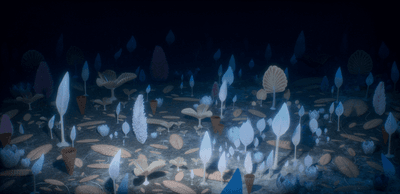
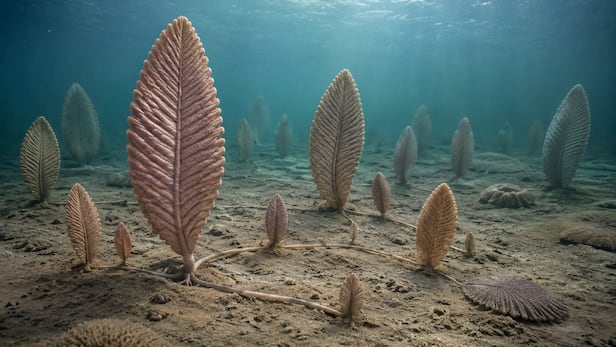
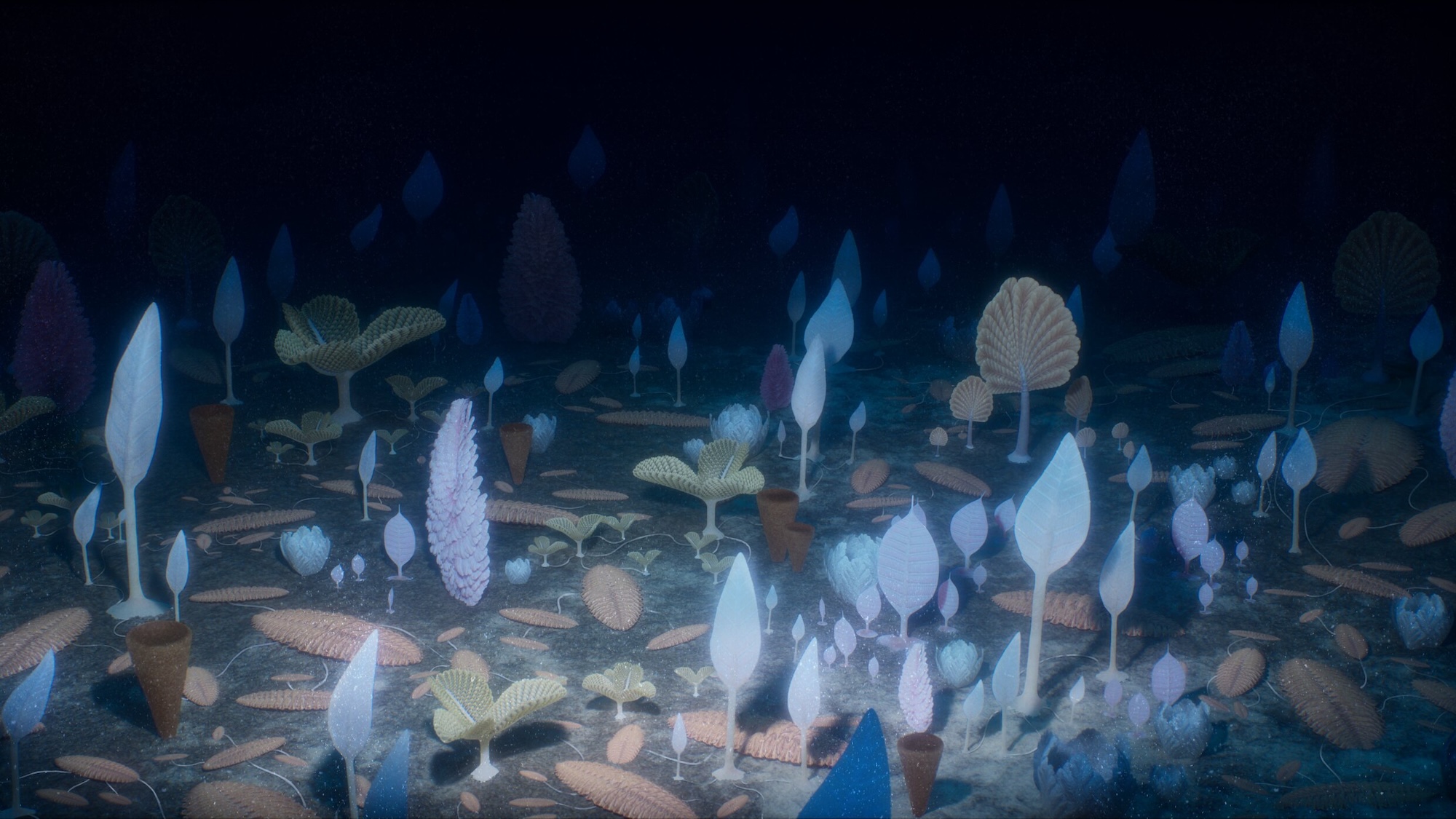
The Ediacaran period, marked by a lack of competition and stability, allowed animals like Fractofusus to thrive by extending runners horizontally to create clones, minimizing the need for sexual reproduction.
Emily Mitchell, a paleozoologist involved in the study, noted, “Life was pretty nice during the Ediacaran, so the need for sex was rather limited.” Despite this stability aiding survival, it resulted in a slower evolutionary pace.
The research emphasizes that environmental stress can hasten the emergence of sexual reproduction, as competition increases. Mitchell explained that stress promotes “massive increases in dispersal distances” as animals strive to colonize new territories.
The findings highlight the crucial link between changes in reproductive methods and biodiversity spikes, with the team concluding that competition leads to a shift towards sexual reproduction, allowing for increased adaptability and survival strategies among early animals.
Their results were published in a recent journal article, adding to our understanding of evolutionary biology.

Sources: 조선일보

A Cambridge study revealed that the reliance on asexual reproduction among early animals delayed evolutionary progress by over 10 million years, attributing the eventual shift to sexual reproduction to environmental stress and competition, which fostered increased biodiversity across ecosystems.
Section 1 background
The Headline

Study shows asexual reproduction's impact on evolution

Key Facts
  • A study has revealed that the evolution of the first animals on Earth was delayed for over 10 million years due to their reproductive methods.조선일보
  • During the Ediacaran Period, life was relatively settled with little competition, resulting in minimal evolutionary pressure.IFLScience
  • The earliest animals, such as Fractofusus, reproduced asexually by extending thin stems sideways, creating new individuals, similar to modern-day plants.조선일보
  • The study suggests that the reliance on asexual reproduction kept conditions uniform, which reduced the struggle for resources and slowed evolution.Popular Science
Section 2 background
Background Context

Context on asexual reproduction and evolution

Key Facts
  • Stress is a key factor that leads to sexual reproduction, as competition increases and encourages species to diversify.IFLScience
  • Environmental stress often precedes a rise in sexual reproduction, which may have been critical for increasing biodiversity among early animals.Popular Science
  • The Ediacaran environment was suitable for survival, resulting in limited need for sexual reproduction.조선일보
Article not found
CuriousCats.ai

Article

Source Citations