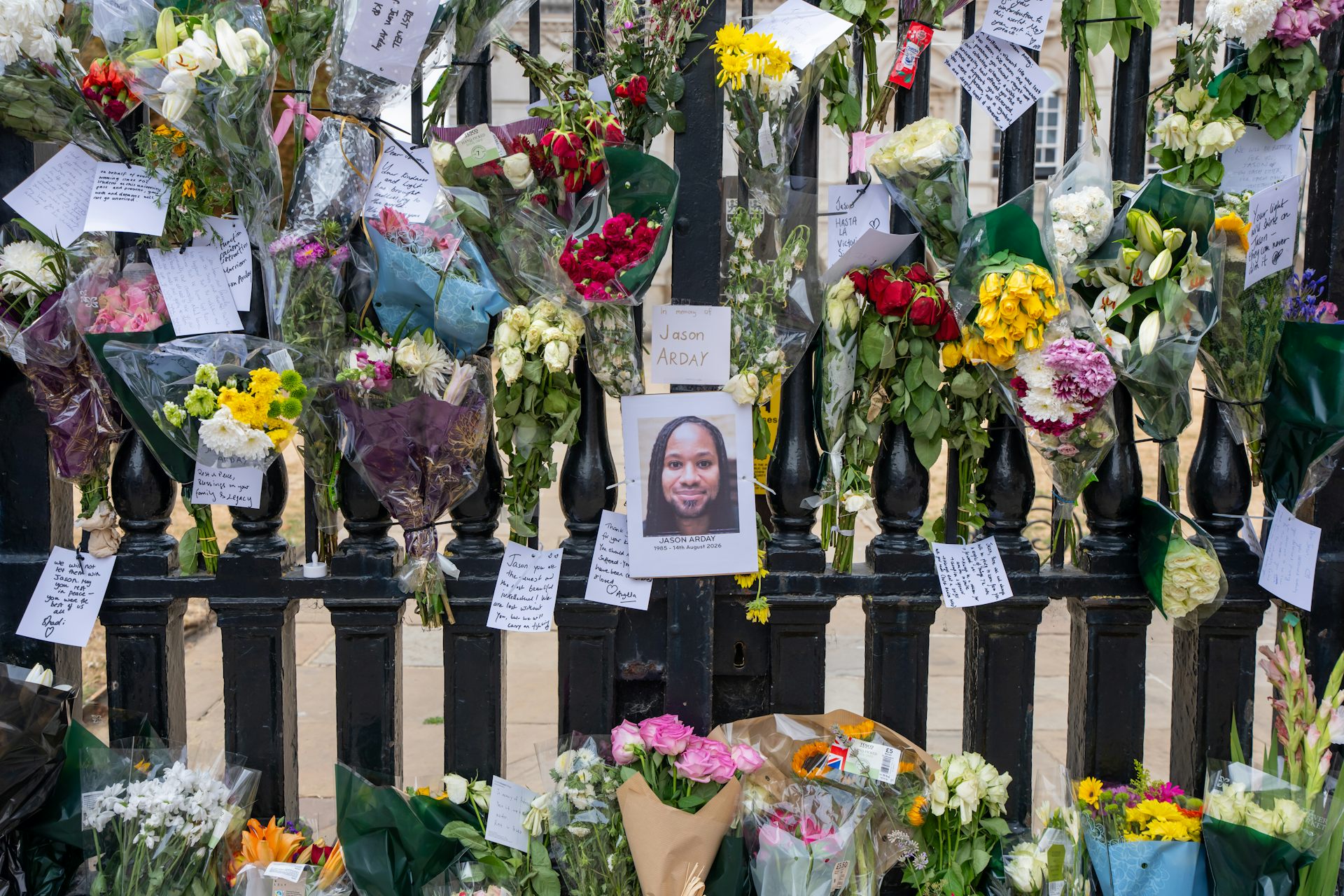
- Jason Arday was appointed professor of sociology of education at the University of Cambridge in March 2023, becoming the youngest Black person ever appointed to a professorship in the university's history.
- Arday claimed that autism left him unable to speak until he was 11 and unable to read or write until he was 18, yet he eventually received a PhD from Liverpool John Moores University.
- Soon after starting his position at Cambridge, Arday was accused of plagiarizing portions of his 2015 doctoral thesis.
- Earlier this month, Arday announced he would resign, citing intense scrutiny and personal attacks that had taken a profound toll on him and his family. Nine days later, he was found dead in his home.
- Commentators assign blame to multiple parties, including conservatives, Republicans, institutions, and Arday himself, describing him as a serial fabulist and con artist.
- The British press turbocharged the scandal, publishing many articles chronicling every minute, and the scrutiny was likely excessive and possibly racially motivated.
- Arday was savvy in leveraging his identity claims for advancement, understanding that elite liberals would overlook implausibilities to get him in the door.
- He fabricated a story that told people what they wanted to hear, claiming to have overcome significant challenges.
- The commentator rejects the term 'lynching' for journalistic scrutiny, acknowledging that some scrutiny was warranted given his public figure status.
Jason Arday, a prominent figure in British academia, faced severe backlash after plagiarism accusations surfaced regarding his doctoral thesis. His resignation from Cambridge University, where he was the youngest Black professor, followed intense media scrutiny that some critics deemed excessive and racially charged.156
Arday's personal narrative, which included claims of overcoming significant disabilities, attracted both admiration and skepticism. “I think the British press scrutiny was far too intense,” noted one commentator, highlighting the racial dynamics at play. “Do I think it was racist? Yes, I think you can absolutely say that,” they added, suggesting that a white academic might not have faced the same level of scrutiny.91011
Despite his achievements, including a PhD from Liverpool John Moores University, Arday's story became a focal point of controversy. “He fabricated a story that told people what they wanted to hear,” said a critic, pointing to his claims of miraculous recoveries from various ailments. This narrative, while compelling, ultimately contributed to his downfall.13
Arday's tragic death, just days after his resignation, raises questions about the pressures faced by public figures in academia. “This was an academic scandal that... became international news,” remarked another observer, emphasizing the role of the media in amplifying the situation. As discussions continue, the implications of Arday's story resonate within the broader context of race, identity, and accountability in academia.
“Arday, who claimed autism left him mute until 11 and illiterate until 18, was the youngest Black professor in Cambridge's 800-year history. Commentators blame conservatives, institutions, and Arday himself, with some calling the British press scrutiny excessive and possibly racially motivated.”