- Evidence emerged that he had plagiarized parts of his doctoral thesis and had made up, or at the very least embroidered, many elements of his remarkable personal story.
- Cambridge announced an investigation into his academic record.
- Arday resigned his position at Cambridge.
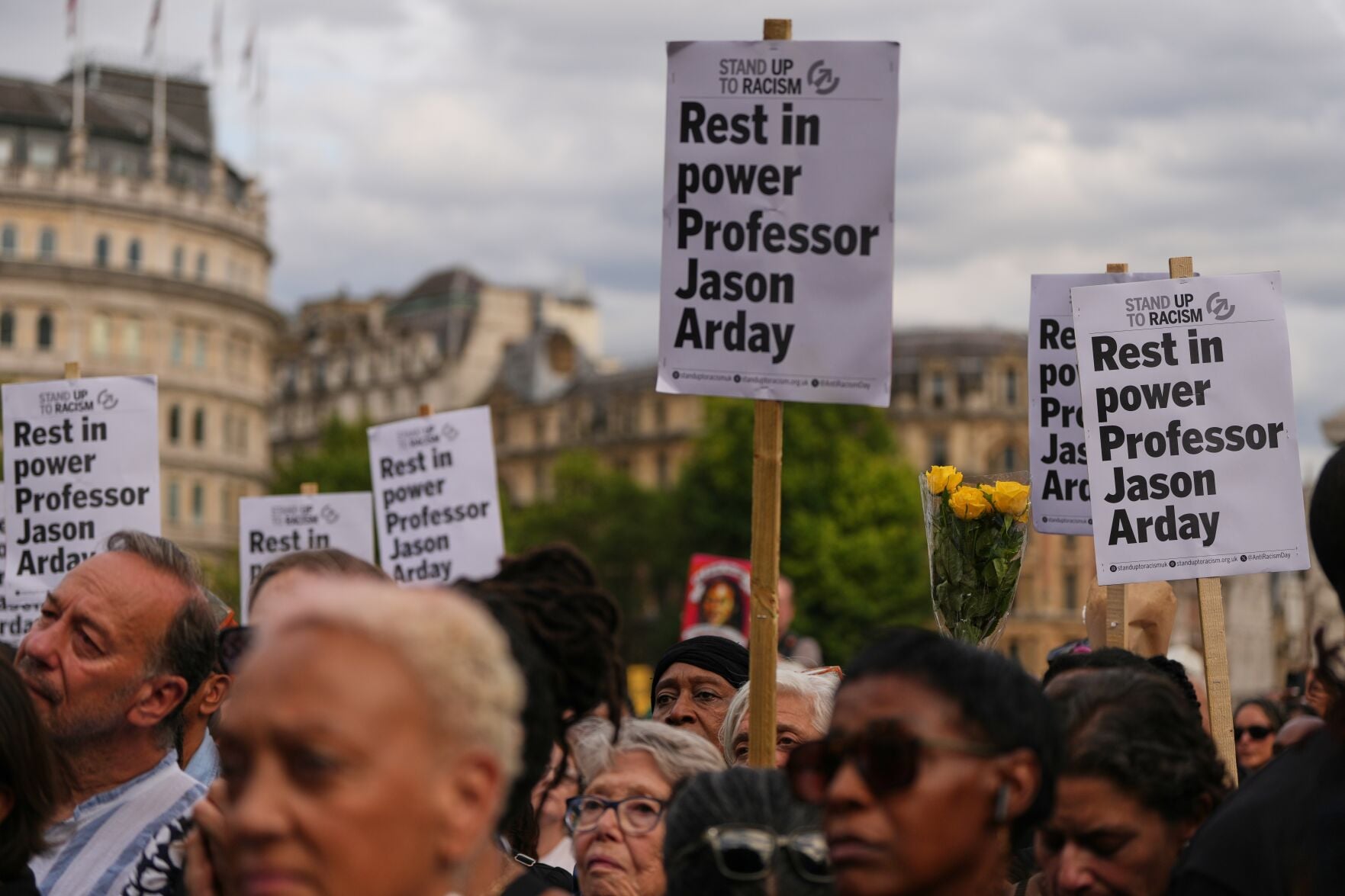
- Arday died, apparently by suicide, at age 41.
- British media, especially right-leaning outlets, published many articles, including 188 after the investigation announcement.
- Cambridge did push Arday forward and tried to stonewall examination of his professional qualifications — which only led to more intense media scrutiny.
- Almost certainly, Arday wouldn’t have been subjected to such pitiless scrutiny if he’d been white.
- It’s legitimate to hold a major educational institution to account if it fails to uphold academic standards — in this case, treating allegations of plagiarism with the seriousness they deserve.
- Once Arday had resigned his post at Cambridge there wasn’t a serious public-interest reason to keep hounding him, and his friends say he simply couldn’t take the relentless scrutiny.
Jason Arday, a prominent 41-year-old professor at Cambridge University, reportedly died by suicide following a plagiarism scandal that ignited fierce media scrutiny.
Arday, the youngest Black professor at Cambridge, faced allegations of having plagiarized parts of his doctoral thesis and fabricating elements of his personal narrative.
The media frenzy, particularly from right-leaning outlets, intensified after Cambridge initiated an investigation into his academic record, leading to his resignation.
Reports indicate that over 188 articles were published on the matter, with critics arguing that Arday, who struggled with an autistic condition that hindered his reading until age 18, would not have faced such relentless scrutiny had he been white.
Friends of Arday noted that the pressure from the media and the institution's handling of the situation contributed to his distress, raising questions about the treatment of minority academics in high-profile positions.
The case has sparked a broader discussion about the responsibilities of educational institutions in upholding academic integrity while also considering the implications of race in media coverage.
As the investigation continues, many are calling for a reevaluation of how allegations of misconduct are addressed, particularly in cases involving individuals from marginalized backgrounds.
“Arday resigned after Cambridge announced an investigation into his academic record, and by one count, media outlets published 188 articles after that. His friends say he couldn't take the relentless scrutiny, and the piece argues he wouldn't have faced such pitiless attention if he'd been white.”