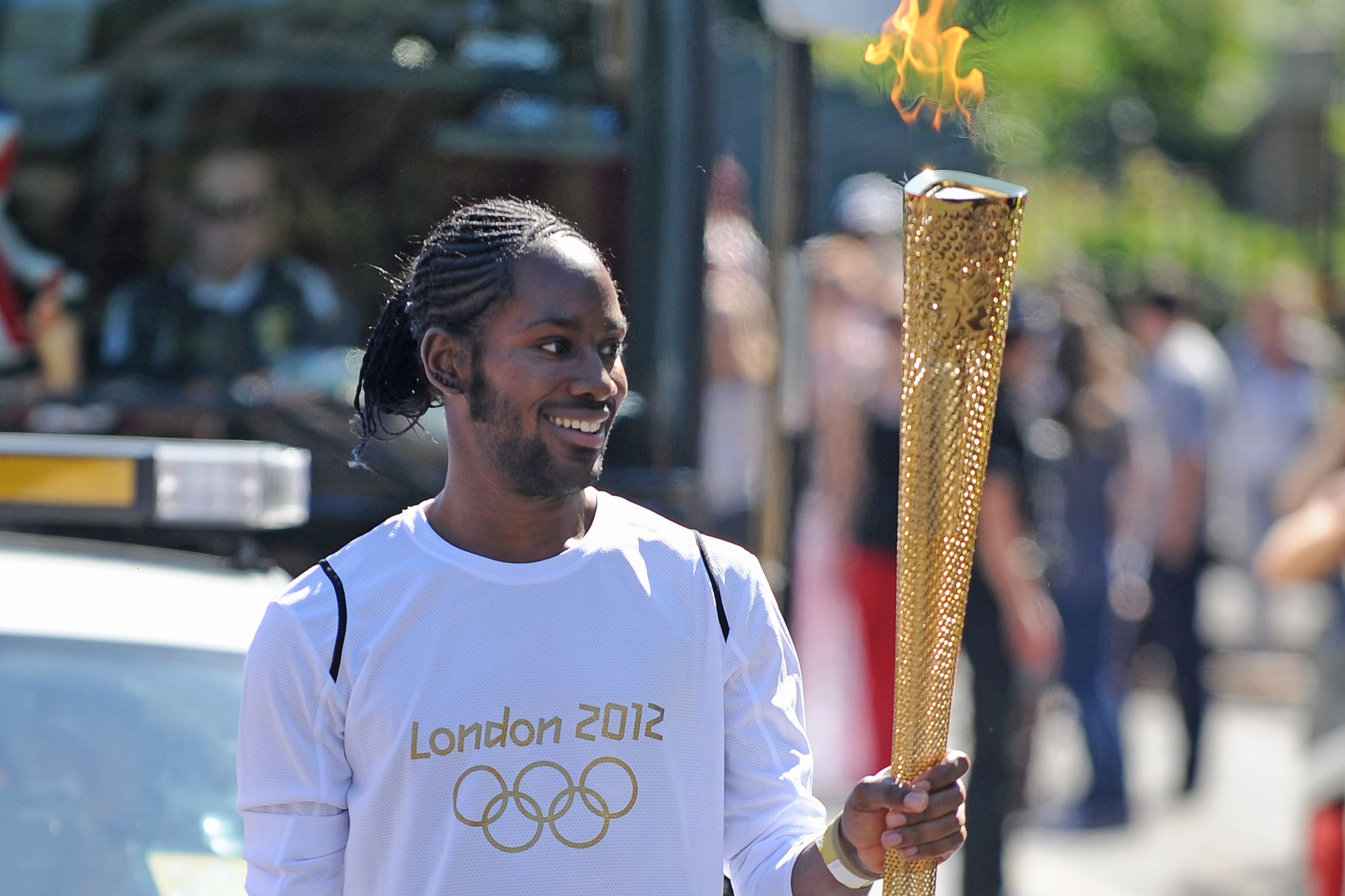
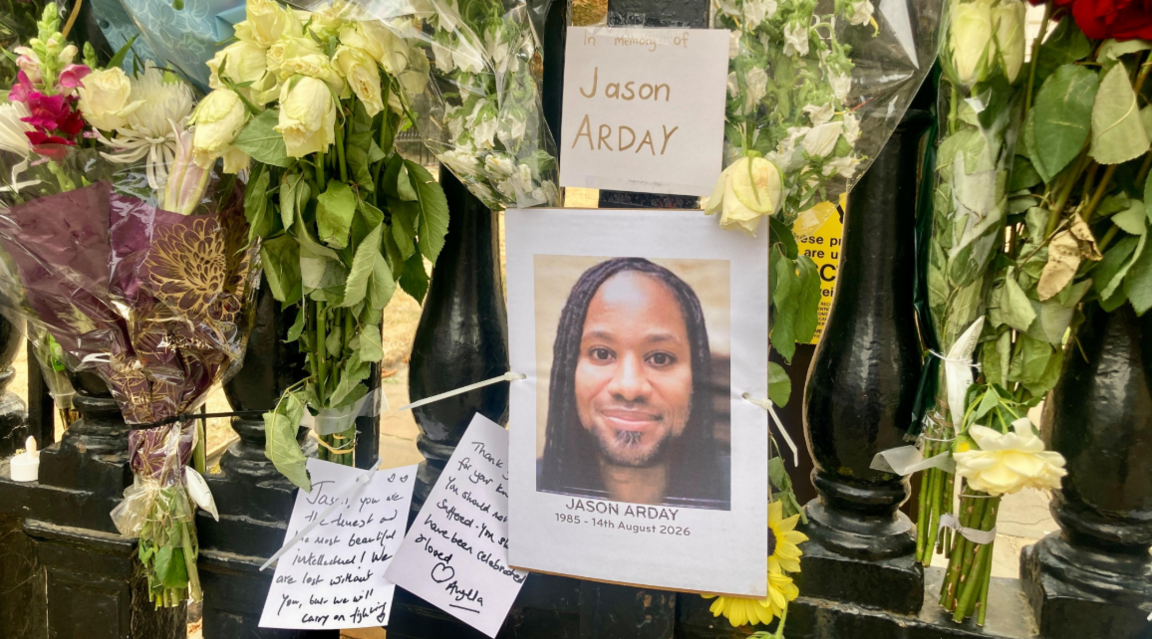
- The tragic death of Jason Arday raises serious questions about race, institutional authority and what happens to people in a society increasingly organised around public reputation.
- Arday had publicly stated that the scrutiny of allegations concerning his academic work and claims he had made about his life was taking a profound toll.
- That he then died amid an intense and continuing media examination of his life is deeply troubling.
- The prime minister, Andy Burnham, was right to call 'a moment for reflection'.
- In Arday's case, alleged shortcomings in his record rapidly became weaponised by the right in an argument about diversity and black academic advancement.
- However, there was a clear public interest case for investigating such allegations.
- It was right for the Guardian to publish its investigation, and it is wrong that the journalists who did their job responsibly are now being subjected to an onslaught of abuse.
- Cambridge, which has many of its own questions to answer, announced that it would hold an internal inquiry.
- Arday became an exhibit in an ideological, almost Trumpian campaign against diversity and inclusion.
- The allegations were no longer simply about one academic's behaviour or his past record. This is racism at work. White academics are generally allowed to fail as individuals. Black ones are not.
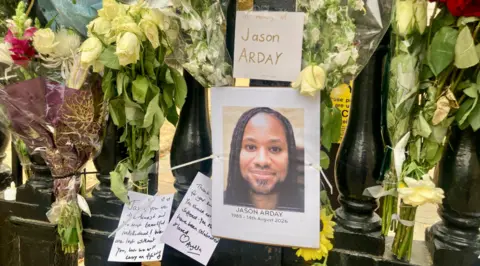
Jason Arday, a former professor at the University of Cambridge, tragically passed away at the age of 41 amid a plagiarism scandal that had escalated in recent weeks.1289
Arday's resignation came after he faced intense scrutiny over allegations regarding his academic work and personal claims, which he stated were taking a profound toll on his mental health.5
The prime minister, Andy Burnham, described the situation as 'a moment for reflection,' highlighting the broader implications of Arday's case.4
Allegations of plagiarism in his doctoral thesis had previously been investigated by Liverpool John Moores University, which did not uphold the claims. However, the public interest in these allegations led to a media frenzy that Arday found deeply troubling.3
Critics argue that Arday became a symbol in a larger ideological battle against diversity and inclusion in academia, with some suggesting that the scrutiny he faced was racially motivated.
As one commentator noted, 'This is racism at work. White academics are generally allowed to fail as individuals. Black ones are not.'1011
In response to the controversy, Cambridge University announced it would conduct an internal inquiry, raising further questions about institutional accountability and the treatment of minority academics.
The tragic circumstances surrounding Arday's death have sparked a necessary dialogue about the pressures faced by academics of color and the societal implications of public reputation in the digital age.
“Arday's death raises serious questions about race and institutional authority, as Prime Minister Andy Burnham calls it 'a moment for reflection.' His case has been weaponized in debates over diversity and black academic advancement, highlighting systemic racism in academia.”
 The Guardian