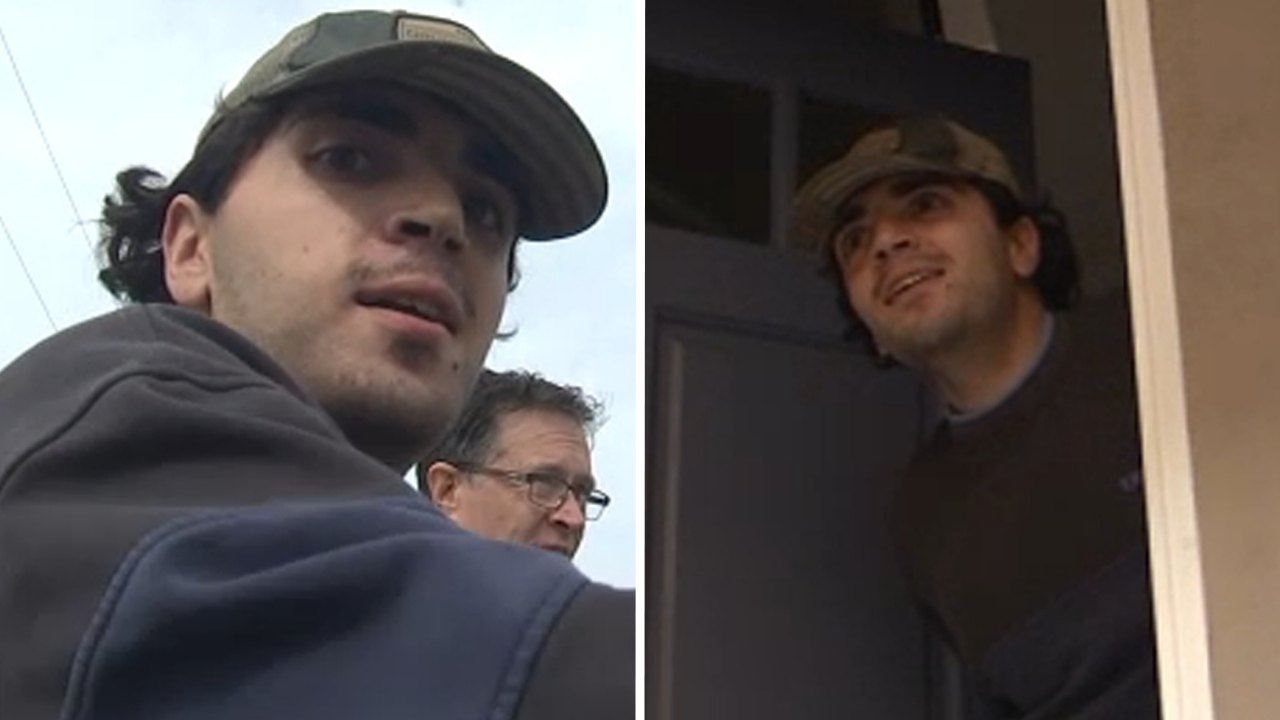
- California homeowner Wendy Weissman claims an Airbnb guest, Evhan Lemarck, refused to leave her property after his reservation ended, leading to a costly legal battle.
- Weissman stated that after paying for 48 days, Lemarck stopped paying but would not check out.
- Weissman described the situation as squatting, saying, "He just refused to leave."
- California tenancy laws allow guests to establish tenancy rights after 30 days of occupancy, complicating eviction processes.
- The eviction process can take six months or longer, resulting in significant financial losses for homeowners.
- Weissman could face over $70,000 in lost rental income during the eviction process while still being responsible for mortgage payments and legal fees.
- Weissman criticized Airbnb for providing minimal assistance, stating they advised her to call local law enforcement.
- Police were unable to assist because the dispute was classified as a civil matter.
- Eventually, Lemarck left the property, but not before causing damage to the townhome.
- Airbnb stated that issues like this are rare and confirmed they have removed the guest from their platform.
- Weissman hopes her experience will spur legislation to protect short-term rental owners in similar situations.
Wendy Weissman, a homeowner in Hermosa Beach, California, faced a challenging situation when her Airbnb guest, Evhan Lemarck, refused to vacate after his reservation ended.
Weissman reported that after paying for 48 days, Lemarck stopped payment but remained in the property.2
"He just refused to leave," Weissman said. "It's squatting. It's definitely squatting."13
According to legal expert Bornstein, once a guest occupies a property for 30 days, they gain tenancy rights, complicating eviction.4
The eviction process can take up to six months, potentially costing homeowners over $70,000 in lost rental income, while they still incur mortgage payments and legal fees.56
Weissman expressed frustration with Airbnb's response, stating, "Airbnb did like the absolute minimum. I mean, they said, 'Call your local law enforcement.'"
Police could not assist as the matter was deemed civil.
Eventually, Lemarck left the property, but not before causing damage. Weissman hopes her ordeal will lead to legislative changes to protect short-term rental owners.9
In a statement, Airbnb noted, "Issues like this on Airbnb are very rare. In this case, we are in contact with the host and have removed the guest from our platform."10
“Under California law, a guest staying over 30 days gains tenancy rights, requiring a civil litigation process that can take six months or longer. The guest eventually left after loading a U-Haul, but the homeowner faced over $70,000 in potential lost rental income and property damage.”
 ABC7 Chicago
 ABC7 Bay Area



