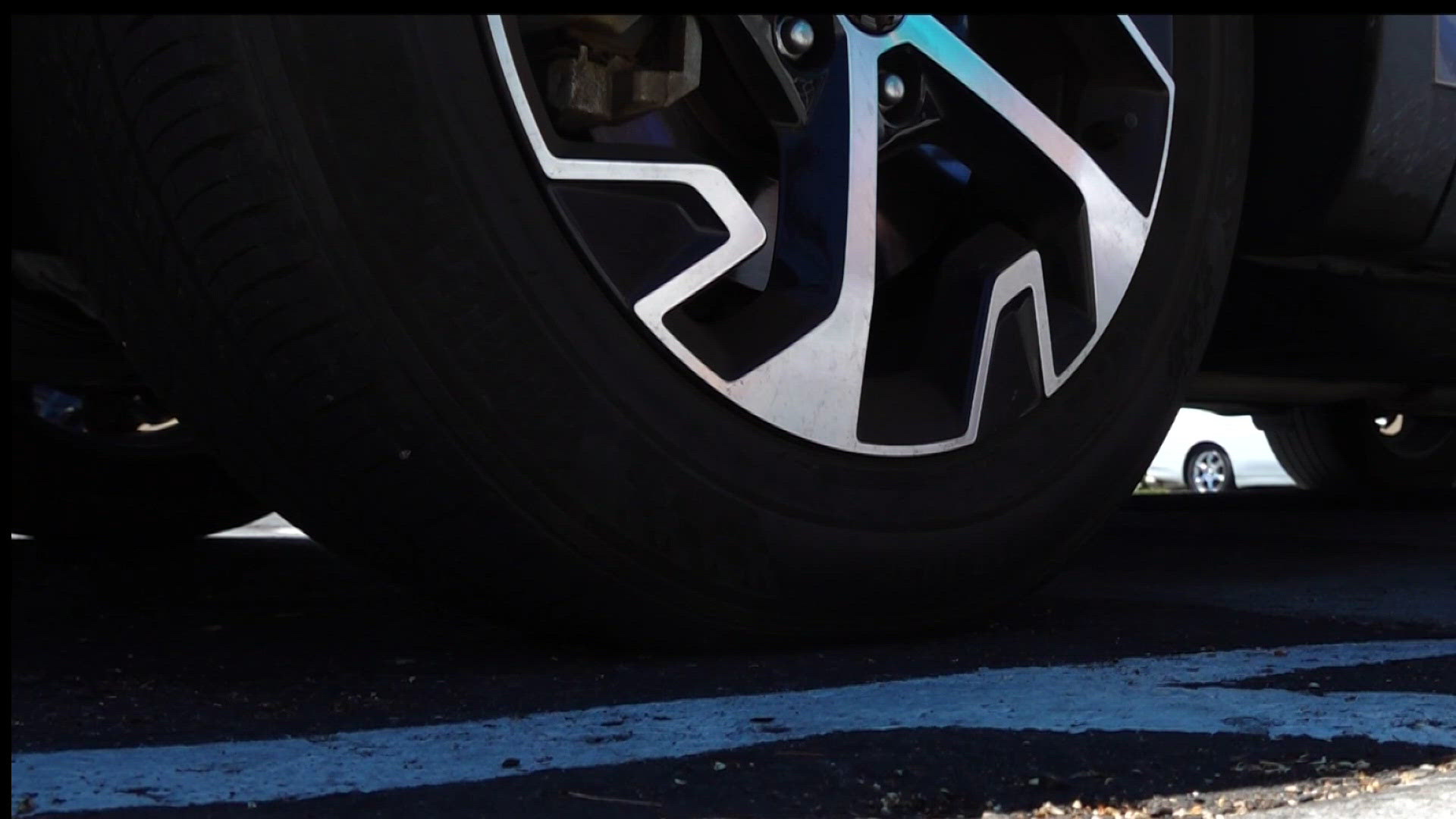
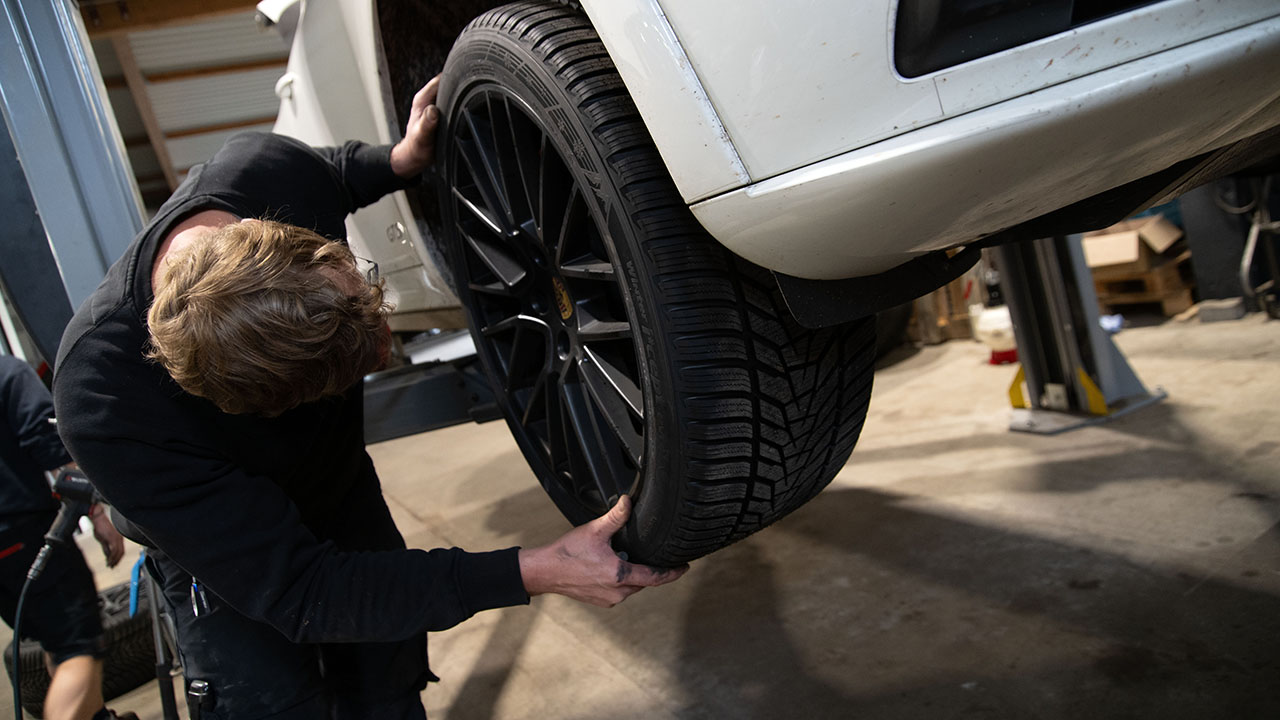
- California has become the first state in the nation to mandate that replacement tires be energy efficient, a major auto industry regulation set to block the sale of older tires and make vehicles on the road greener.
- The California Energy Commission (CEC) voted unanimously on August 17 to adopt the Replacement Tire Efficiency Program, establishing minimum efficiency standards for replacement tires sold for passenger vehicles and light-duty trucks.
- The regulations are expected to save drivers in California nearly $1 billion annually in fuel and electricity costs while reducing greenhouse-gas emissions by about 2 million metric tons per year.
- The first phase of the new tire regulations is set to start in 2029, allowing the sale of tires with a maximum rolling resistance level of 9.1 newtons per kilonewton (N/kN).
- In phase 2, the standard lowers to 7.2 N/kN starting in 2033.
- The CEC estimates that a typical driver could save about $179 in fuel costs over the life of a set of tires, which is roughly seven times the agency’s estimated increase in tire cost.
- Industry leaders have expressed concerns that the cost of replacement tires would increase by roughly $6 to $10 per tire, with some warning that costs could actually end up being in the several hundreds of dollars.
- The CEC claims that savings could be 25% higher than estimated, indicating potential for even greater financial benefits for consumers.
- The new rules are expected to eliminate an estimated 70% of the tires currently sold in California by 2033.
California has approved the nation’s first replacement tire efficiency standards, a significant move aimed at enhancing vehicle performance and environmental sustainability. The California Energy Commission (CEC) voted unanimously to adopt these regulations, which will phase out the sale of replacement tires that do not meet specific energy efficiency standards.12
The first phase of the new regulations is set to begin in 2029, allowing the sale of tires with a maximum rolling resistance level of 9.1 N/kN. By 2033, the standard will tighten to 7.2 N/kN, significantly impacting the types of tires available to consumers. The CEC estimates that these standards will save California drivers nearly $1 billion annually in fuel and electricity costs, while also reducing greenhouse gas emissions by about 2 million metric tons per year, equivalent to removing 400,000 gasoline cars from the roads.3459

Despite the potential savings, industry leaders have raised concerns about the cost implications. The cost of replacement tires is expected to increase by $6 to $10 per tire, with some estimates suggesting that the actual increase could be in the hundreds of dollars. Bret Gladfelty from Goodyear warned that this regulation could eliminate 70% of the tires currently sold in California by 2033.7
Governor Gavin Newsom expressed support for the new rules, highlighting consumer savings and the backing of the majority of tire manufacturers. However, the U.S. Tire Manufacturers Association has voiced concerns regarding the compatibility of replacement tires with original equipment tires, emphasizing the need for consistent enforcement to protect consumers.
Overall, California's new tire efficiency standards represent a significant step towards improving public health and addressing climate change, while also aiming to provide financial benefits to consumers.
“The California Energy Commission estimates that the new tire standards will reduce carbon dioxide emissions by 2 million metric tons per year, equivalent to removing about 400,000 gasoline cars from the roads. The regulations will phase in starting in 2029, with stricter requirements taking effect in 2033.”
 The Guardian
 KCRA
KCRA