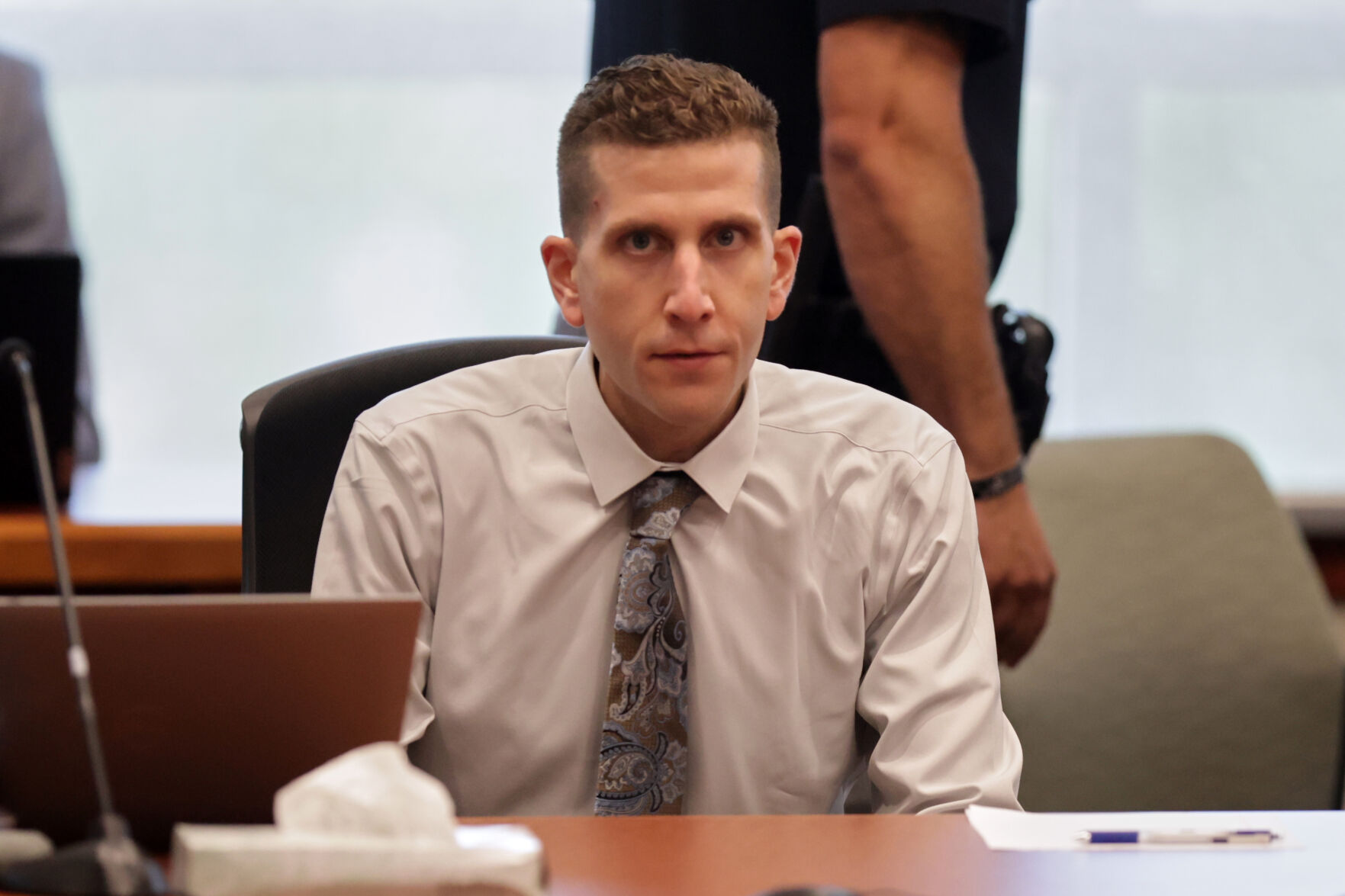
- Bryan Kohberger, who pleaded guilty to killing four University of Idaho students, claims he is innocent and wants to withdraw his plea.
- Kohberger stated that his plea was hinged on false promises and blatant disinformation and must be withdrawn.
- Kohberger alleges he was tricked into confessing due to coercion, disinformation, false promises, and the withholding of exculpatory discovery.
- He claims that evidence, such as clumps of hair found in Ethan Chapin's hands, was never tested and that his attorneys failed to inform him.
- Kohberger claims he had ineffective assistance from his attorneys and that his plea was not entered knowingly or voluntarily due to unkept promises and threats from his attorneys.
- Kohberger stated, “My actual innocence is my truth, and the plea, hinged on by false promises and blatant disinformation, MUST be withdrawn,” in a statement provided to The New York Times.
- Waiving the right to an appeal usually prevents an appellate review or a review of a plea, according to Samuel Newton, an associate professor of law at the University of Idaho College of Law.
- Kohberger can argue that his attorneys were ineffective or that his plea was coerced, with claims typically needing to be filed within a year.
- Under Idaho Rule of Criminal Procedure 33(c), withdrawal of a plea after sentencing is permitted only to correct a ‘manifest injustice’.
- To succeed on a ‘false promises/disinformation’ theory, Kohberger must show his plea was involuntary or that he received ineffective assistance of counsel.
Bryan Kohberger, who pleaded guilty to the murders of four University of Idaho students, is now seeking to withdraw his plea, claiming it was coerced through disinformation and ineffective legal representation. He asserts, "My actual innocence is my truth, and the plea... MUST be withdrawn." Kohberger's plea, entered just before jury selection, helped him avoid the death penalty in Idaho.3
In a court document, he stated that his confession was influenced by coercion, false promises, and the withholding of exculpatory evidence. He specifically mentioned that clumps of hair found in victim Ethan Chapin's hands were never tested, and his attorneys failed to inform him of this crucial detail.4

Legal experts note that Kohberger's path to withdrawing his plea may be complicated. According to Samuel Newton, an associate professor of law, waiving the right to an appeal typically limits appellate review. Kohberger must demonstrate that his plea was either involuntary due to misrepresentation or that he received ineffective assistance of counsel.57
Kohberger's claims raise significant questions about the integrity of the legal process in his case, as he navigates the complexities of Idaho's criminal procedure rules regarding plea withdrawals.
“Kohberger alleges his plea was induced by coercion and ineffective assistance from his attorneys, claiming they failed to inform him about untested evidence, including hair found in Ethan Chapin's hands. Legal experts note that under Idaho law, withdrawal of a plea after sentencing is only permitted to correct a 'manifest injustice.'”






