- Comet, introduced by Perplexity, is a browser designed to function like an advanced chatbot that automates tasks such as calendar management and email summaries for premium subscribers.
- Dia, developed by The Browser Company, is currently testing features that utilize a user’s browsing history and active logins to assist in information retrieval.
- The browser market is shifting from simple search tools to AI-powered personal assistants that automate tasks, indicating a significant evolution in user experience.
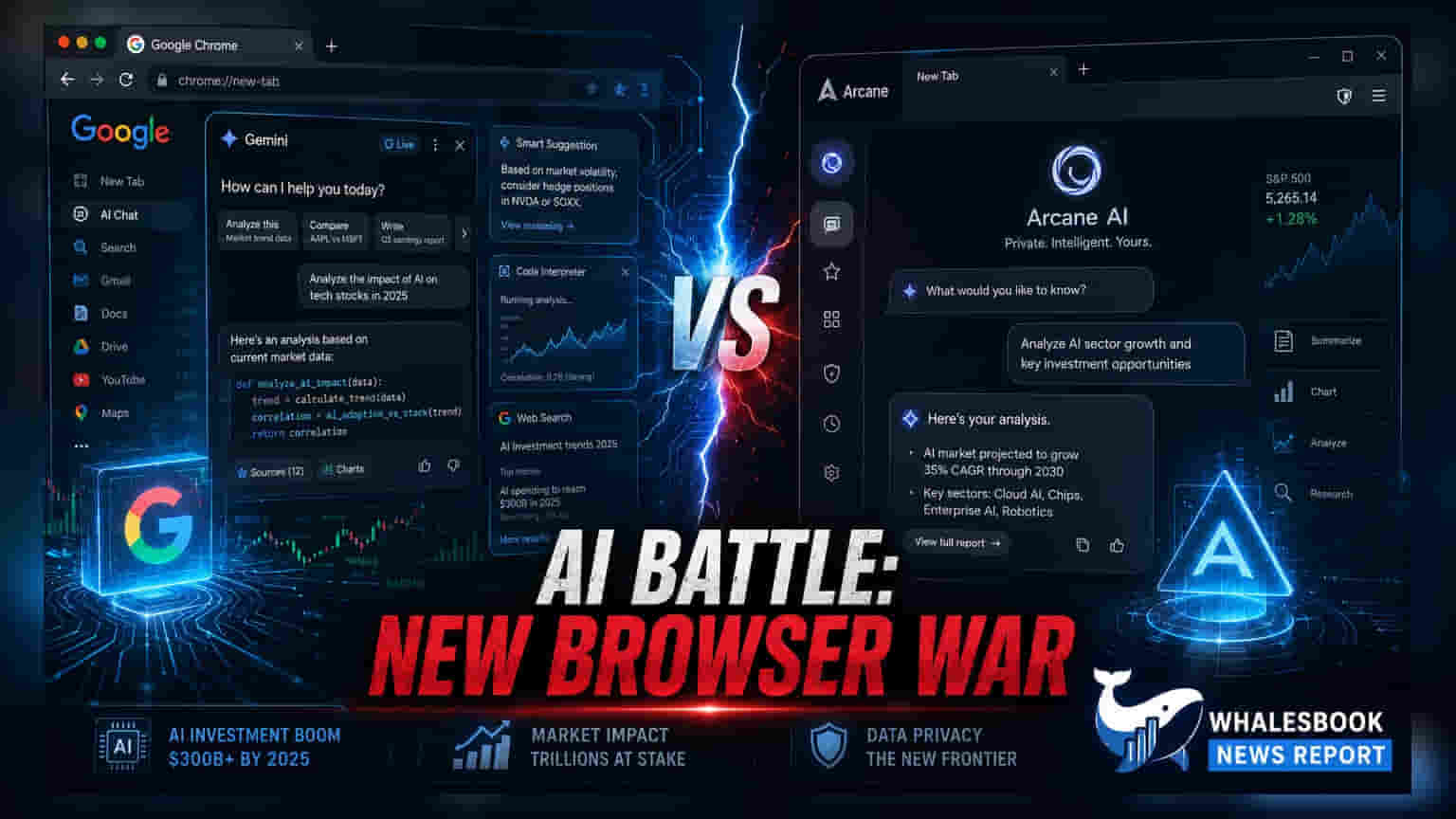
- Despite the rise of new entrants like Comet and Dia, Google Chrome and Apple's Safari still dominate the market, with Chrome leveraging generative AI in search.
- The browser wars have entered a new phase, focusing on which company's AI can act on behalf of users within the browser.
- The introduction of AI-driven features in browsers is leading to a shift towards Software-as-a-Service (SaaS) revenue models, with many features locked behind subscription fees.
- Users now have the opportunity to choose from a variety of browsers that are not only fast but also deeply integrated with AI, challenging the dominance of Chrome and Safari.
- The competition in the browser market has intensified, with new entrants betting that browsers will become assistants that help users accomplish tasks rather than just windows to the web.
The browser industry is undergoing a transformation as AI-powered tools like Comet and Dia emerge, challenging the long-standing dominance of Google Chrome and Apple Safari. These new browsers are designed to act as personal assistants, automating tasks and enhancing user productivity.148
Comet, developed by Perplexity, functions as an advanced chatbot, offering features such as calendar management and email summaries for premium subscribers at $200 per month. Meanwhile, Dia, from The Browser Company, utilizes a user’s browsing history to assist in information retrieval, moving the browser from a passive tool to an active agent in workflows.

The shift towards AI-driven features is evident, with many functionalities locked behind subscription fees, indicating a move towards Software-as-a-Service (SaaS) models in the browser sector. As of 2026, users are presented with alternatives that are not only fast but also deeply integrated with AI, marking a significant change in the competitive landscape.67
While Chrome and Safari still lead the market, the introduction of AI-centric browsers like Comet and Dia signifies a new phase in the browser wars, where the competition is not just about search results but about which AI can best assist users in their online activities.5

“The fight isn’t just over search results anymore — it’s over which company’s AI gets to act on your behalf inside the browser,” a market analyst noted, highlighting the evolving dynamics of browser technology.
With a wave of new entrants, including Opera's Neon and OpenAI's Atlas browser, the future of web browsing is set to become more interactive and user-centric than ever before.
“The browser industry is rapidly evolving with AI-driven features, as new entrants like Comet and Dia challenge the traditional dominance of Chrome and Safari. This shift indicates a growing trend towards browsers acting as personal assistants rather than mere search tools.”
 TechCrunch



