
- Oil prices hit $100 a barrel for the first time since May as the escalating conflict in the Middle East reignited fears over global energy supplies.
- Brent crude rose more than 6% on Thursday following several days of increases as the US stepped up military strikes against Iran.
- Prices spiked after Houthi militia in Yemen attacked oil tankers in the Red Sea, threatening a key export route that Saudi Arabia has used to bypass the Strait of Hormuz.
- The risk of further disrupting global oil shipping is heightened as the Red Sea is another strategic waterway that oil companies use to transport their crude from the Middle East.
- Goldman Sachs said Brent might exceed $120 a barrel in the fourth quarter and average $100 next year if the Strait of Hormuz remains disrupted through next year.
- Higher oil prices typically lead to petrol and diesel becoming more expensive, which can ripple through the wider economy, increasing costs for businesses and ultimately feeding through into the price of food and other goods.
Brent crude oil prices surged past $100 a barrel for the first time since May, reflecting escalating tensions in the Middle East. The Houthi militia's attacks on Saudi oil tankers in the Red Sea have raised fears of significant disruptions to global oil supplies, compounding existing concerns over inflation.123
The price increase follows a five-day rise, with Brent climbing from $95 to over $100 amid fears that the Houthis could disrupt Saudi oil exports. The Strait of Hormuz, a critical route for oil shipments, remains effectively closed, further exacerbating supply concerns. Goldman Sachs predicts that if tensions persist, prices could exceed $120 a barrel in the fourth quarter.6
As oil prices rise, global markets are reacting negatively. Shares in Tesla fell by 12%, and the Nasdaq index dropped by more than 2%. Analysts warn that higher oil prices could lead to increased inflation and interest rate hikes, complicating economic recovery efforts. Susannah Streeter, chief investment strategist at Wealth Club, noted, “Investors are in a wary mood… markets are bracing for the possibility that the conflict could disrupt key energy routes.”78
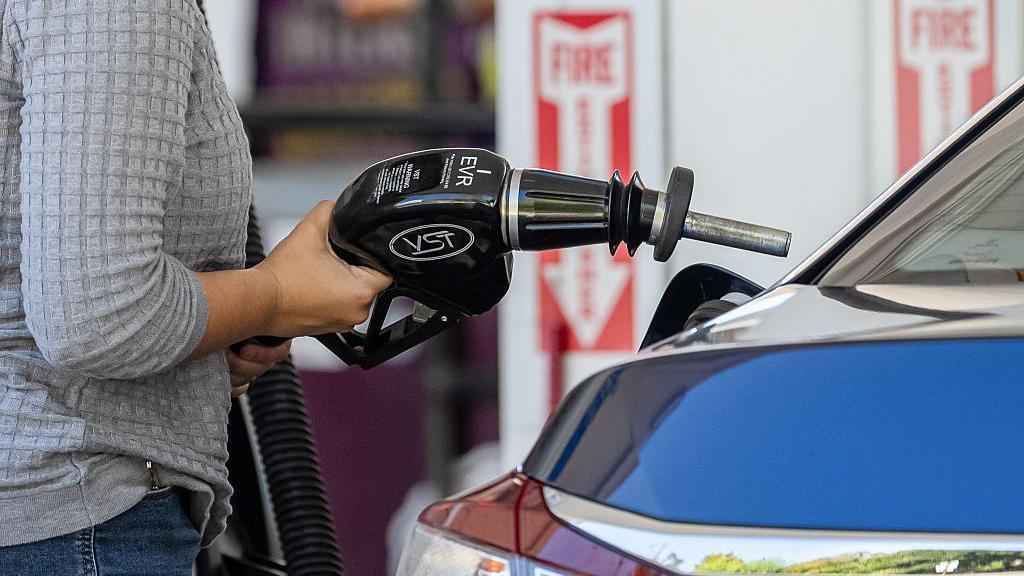
The ongoing conflict has already impacted consumer prices, with UK petrol prices rising by 5p a litre since July, and average gasoline prices in the US surpassing $4 a gallon. Jonathan Raymond, investment manager at Quilter Cheviot, stated, “More expensive fuel and energy can ripple through the wider economy, increasing costs for businesses.”
“Yemen's Houthis struck two Saudi oil tankers in the Red Sea, leaving one ablaze, as the group warned of a naval blockade, prompting the US to threaten 'major military punishment'. Goldman Sachs said Brent could exceed $120 a barrel if the Strait of Hormuz remains disrupted, while US gasoline surpassed $4 a gallon and UK petrol rose 5p a litre.”


 The Guardian



