- Brazil published the world's first global 'roadmap' for phasing out fossil fuels on Tuesday, outlining steps for countries to transition without new technologies.
- Joeri Rogelj, a professor of climate science and policy, stated that the roadmaps lack timeline or key benchmarks, limiting their effectiveness.
- André Corrêa do Lago emphasized that the roadmaps are implementation documents rather than negotiation texts, aimed at moving the focus of UN climate talks.
- Germany, France, and the Netherlands are among several countries that have committed to similar plans for phasing out fossil fuels.
- In Dubai three years ago, the world struck a landmark agreement to transition away from burning fossil fuels, but the specifics of achieving this were left largely open.
- The Santa Marta initiative led to the formation of a coalition of nearly 60 countries to create their own national roadmaps for phasing out fossil fuels.

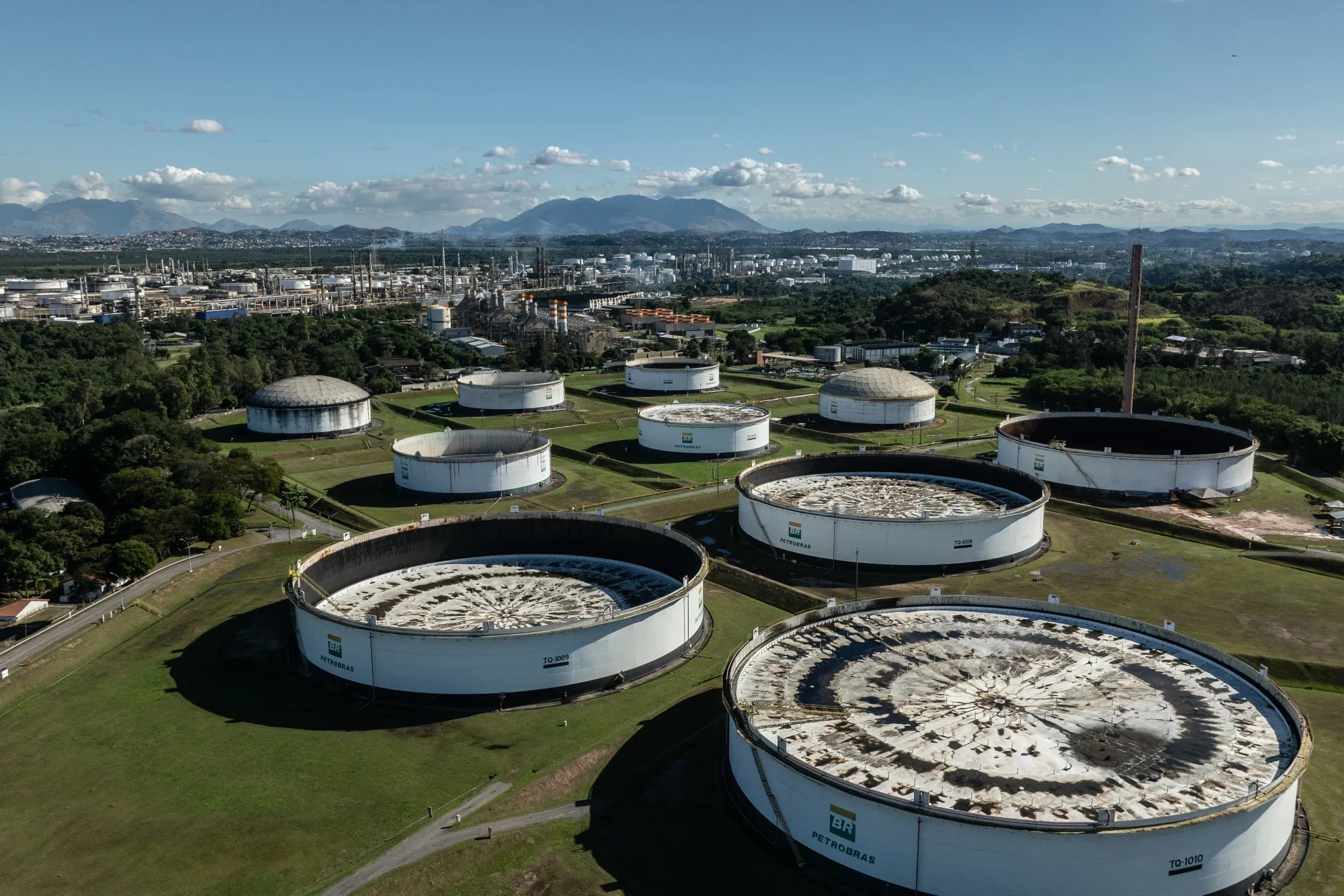
Brazil has launched the world’s first global roadmap for phasing out fossil fuels, aiming to balance economic growth with environmental responsibility. The roadmap, presented at the COP30 summit, outlines potential steps but lacks binding commitments and timelines, leaving countries to self-assess their fossil fuel dependence.123
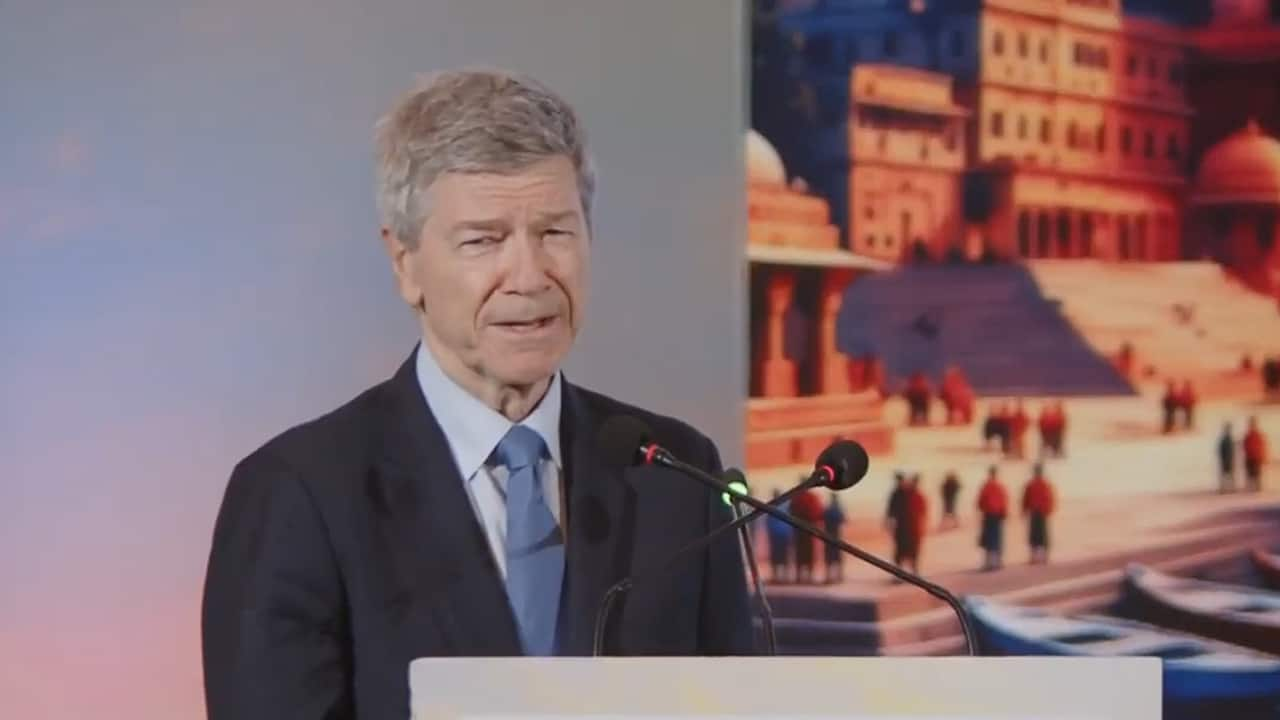
André Corrêa do Lago, Brazil’s president of the COP30 summit, emphasized that the roadmap is intended to shift focus from negotiating global agreements to implementing existing targets. He stated, “They are documents of implementation.”4
Despite its innovative approach, experts like Joeri Rogelj from Imperial College London caution that the roadmap's lack of timelines and benchmarks limits its effectiveness. Rogelj noted, “The roadmaps are valuable but fall short of clearly indicating the pace of change needed.”
Among the suggested actions are urgent cuts to gas flaring and venting, reducing fossil fuel subsidies, and increasing renewable energy generation. The roadmap estimates that $300 billion annually will be needed for forests by 2030, rising to $500 billion by 2050, while current funding is only about $85 billion per year.
In recent years, Brazil has made strides in reducing deforestation, with rates falling by about 70% under President Lula. However, the roadmap's non-binding nature raises questions about its potential impact on achieving the Paris Agreement's goals of limiting global warming.
“The roadmap is non-binding and contains no deadlines, leaving countries to diagnose their own dependence, according to Cop30 president Corrêa do Lago. It suggests cutting gas flaring and reducing fossil fuel subsidies, while a separate deforestation roadmap calls for $300bn annually by 2030.”
The Guardian