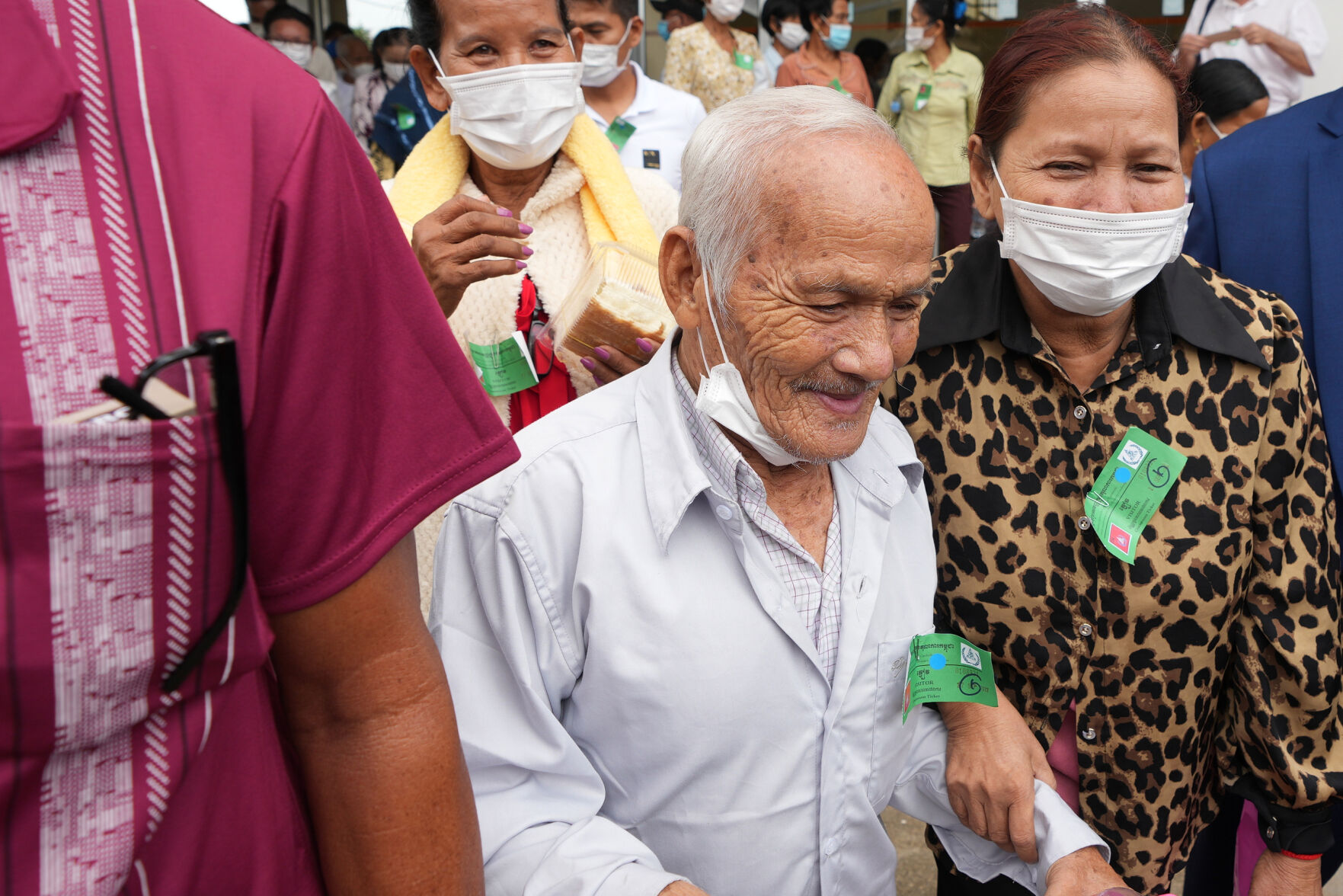
- Bou Meng, a Cambodian artist and one of only seven people known to have survived a notorious torture center in the Southeast Asian country in the late 1970s, has died at the age of 85.
- The Extraordinary Chambers in the Courts of Cambodia, a U.N.-backed tribunal, announced that he died late Friday due to age-related illness.
- Bou Meng joined the Khmer Rouge in its war from 1970-75 to unseat a pro-American government, but was detained in one of its many internal purges after victory.
- He was taken to S-21 in 1977, where he was tortured for almost two years.
- His painting skills, including portraits of Pol Pot and other communist leaders, were crucial for his survival.
- In 2009, Bou Meng testified at the trial of Duch, the S-21 commandant.
- In 2010, Duch was found guilty and sentenced to life imprisonment; he died in prison in 2020.
- The Khmer Rouge group ruled Cambodia from 1975-79 and was accused of genocide for causing the deaths of millions through executions, starvation, and lack of medical care due to its radical policies.
- An estimated 1.7 million Cambodians died from forced labor, starvation, medical neglect, and executions during this period.
- Around 16,000 women and children were kept at S-21 over the course of nearly four years before being killed.
- Bou Meng's first wife was arrested with him and disappeared from the prison, presumed executed, and he never found their two children, who were likely killed.
- In his later years, Bou Meng often spent his days at the Tuol Sleng Genocide Museum, where he sold copies of a book about his experience.
Bou Meng, who died late Friday due to age-related illness, was one of only seven known survivors of the Khmer Rouge's S-21 torture center, where he was imprisoned for nearly two years starting in 1977.1248
His artistic talent, particularly in painting portraits of communist leaders, helped him survive the brutal regime.
"I was ordered to paint a picture of Ho Chi Minh’s head on the body of a dog," he recounted during a 2010 tribunal.7
The Khmer Rouge, which ruled Cambodia from 1975 to 1979, is responsible for the deaths of an estimated 1.7 million people through executions, starvation, and medical neglect.
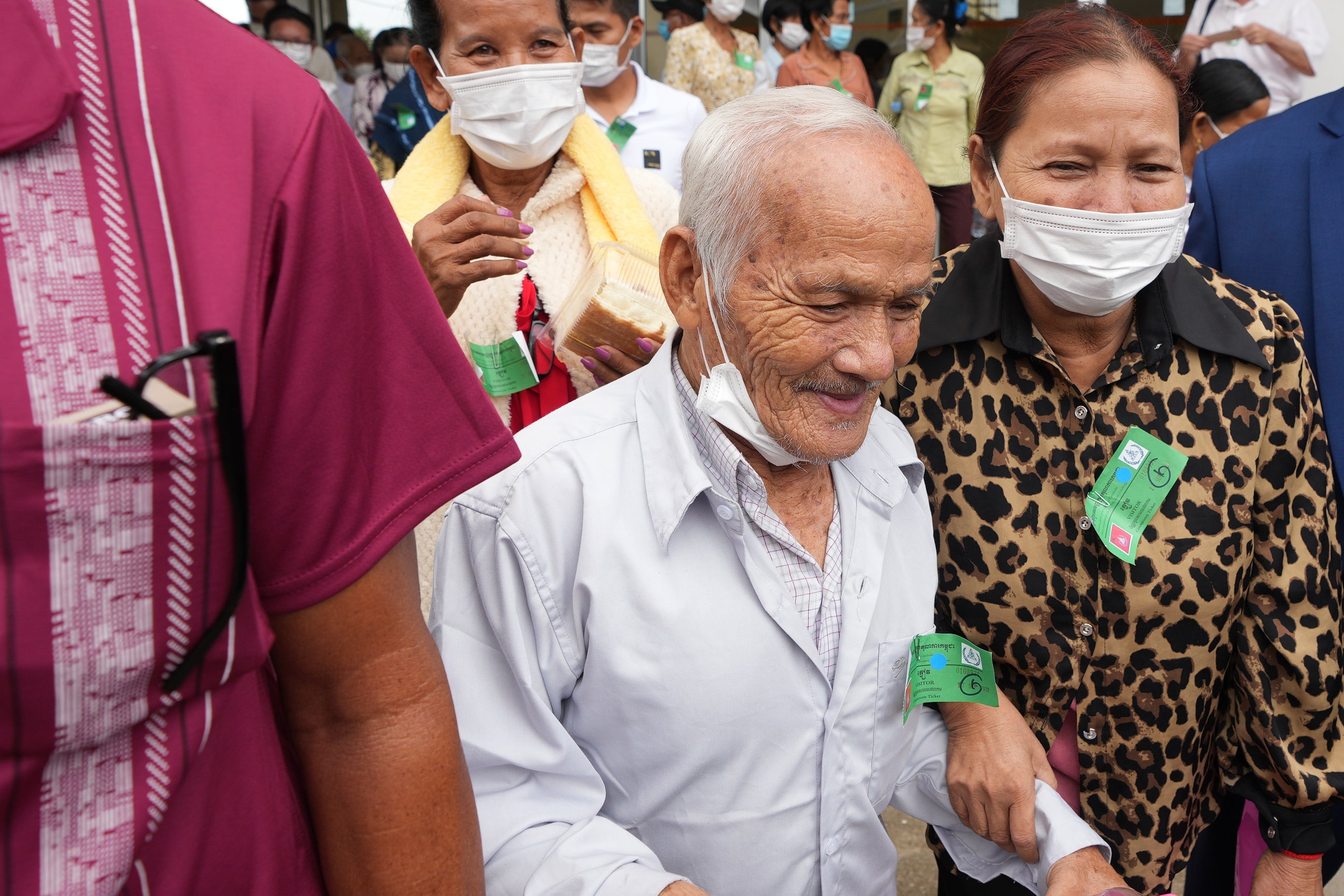
Bou Meng's testimony at the trial of S-21 commandant Kaing Guek Eav, known as Duch, was pivotal in bringing justice to the victims. Duch was convicted of crimes against humanity and sentenced to life imprisonment.
Youk Chhang, head of the Documentation Center of Cambodia, emphasized the importance of preserving the stories of survivors like Bou Meng, stating, "I urge action to preserve stories of the millions who survived the Khmer Rouge and provide them with both mental and physical health support."
His legacy as a witness to history will not be forgotten, as he represents the resilience of those who endured unimaginable suffering during one of the darkest periods in Cambodian history.
“The U.N.-backed tribunal confirmed he died late Friday from age-related illness, calling his loss a blow to historical witness of the regime's crimes. He had testified in 2009 against S-21 commandant Duch, who was later sentenced to life and died in prison in 2020.”
 The Independent