- Meta Platforms Inc. used residual value guarantees in a $27 billion debt package for its Hyperion data center, known as the Beignet deal.
- Broadcom applied a similar structure in the Big Sky deal, backstopping most of a $35 billion debt deal for AI chips leased to Anthropic.
- Nvidia announced a $500 billion financing partnership this week, poised to provide residual value support for up to 25% of an opportunity.
- Investors and rating agencies are expressing concerns about the $70 billion in phantom liabilities that could materialize as liabilities in a downturn.
- CreditSights analysts noted that the residual value support is pro-cyclical, exacerbating boom-bust potential.
- Broadcom struck the AI XPV partnership in June, which could amass $370 billion of senior debt by mid-2029.
- Meta referred to its residual value guarantees in filings, stating that "RVG payments are not probable, and therefore no liability has been recorded to date."
- S&P Global Ratings considers the residual value support offered by Broadcom a "contingent debt-like obligation" that it will add to its adjusted debt calculation.
Bond traders are grappling with $70 billion in shadow credit backstops for AI companies, a concern heightened by Nvidia's recent $500 billion financing. Investors worry these off-balance-sheet liabilities could surface during economic downturns, complicating the financial landscape for AI firms.34
Nvidia's financing strategy includes providing residual value support for debt tied to AI development, allowing companies to leverage its strong credit rating. This approach, while beneficial in the short term, raises questions about long-term financial stability.
Mariya Entina, a portfolio manager at DoubleLine, expressed concern, stating, "It's like you're really gaming the system here; you're trying to get preferential treatment from rating agencies so that you get the best rating possible." Analysts at CreditSights noted that this financial engineering could exacerbate boom-bust cycles, as guarantees become critical during downturns when defaults increase and hardware values drop.5

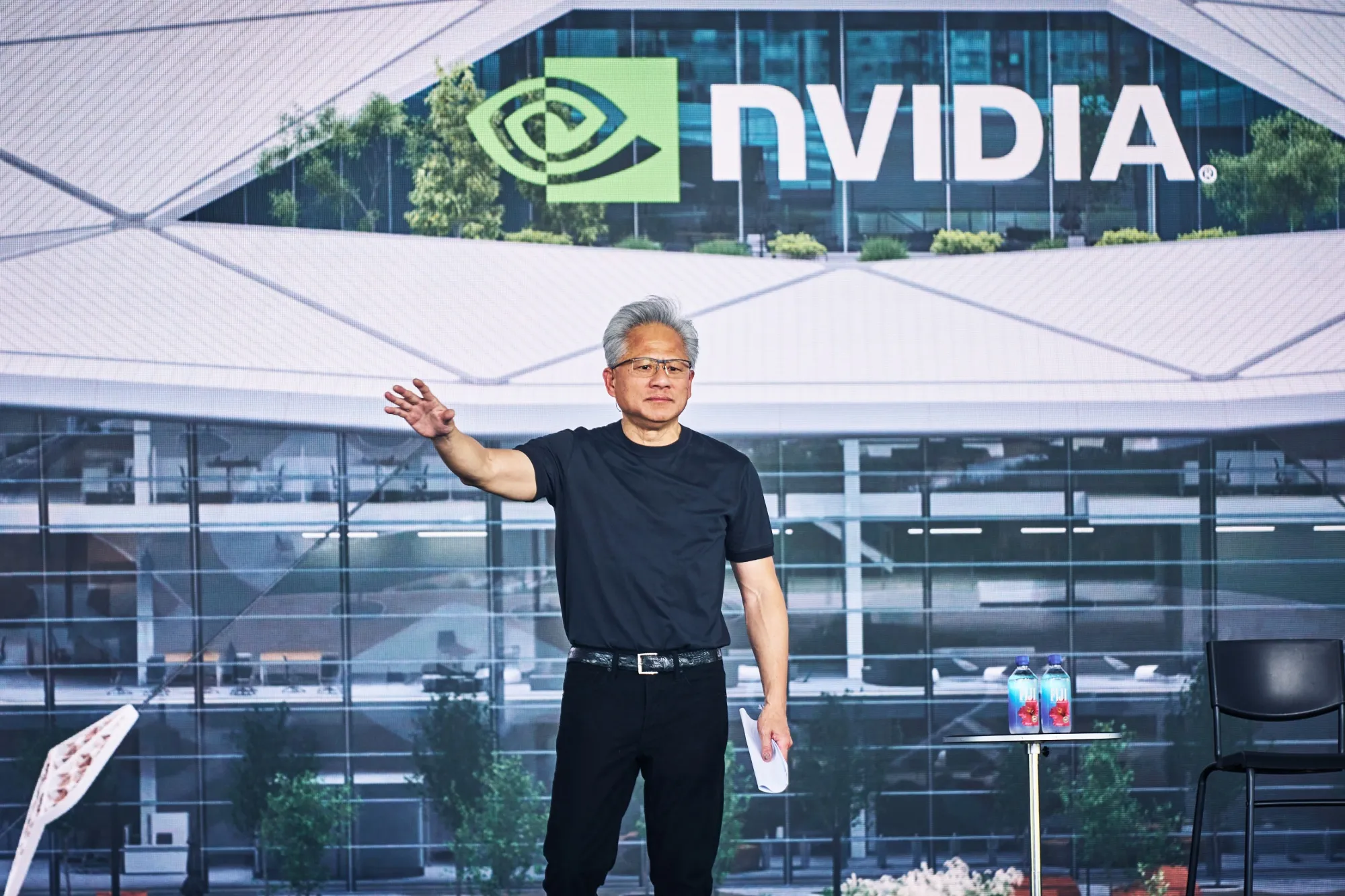
Nvidia CEO Jensen Huang indicated that the company may offer residual-value support for up to 25% of opportunities, aiming to unlock independent capital while managing risk. This strategy mirrors Meta's earlier use of residual value guarantees in its $27 billion debt package for the Hyperion data center, setting a precedent for AI financing.17
Broadcom also adopted a similar structure in its $35 billion chip financing deal, showcasing a trend among tech giants to utilize these financial backstops as they navigate the evolving AI landscape.26
“The backstops, called residual value guarantees, let AI firms like Meta and Broadcom avoid recording liabilities, with Meta stating 'RVG payments are not probable.' CreditSights warns the guarantees are 'pro-cyclical and exacerbates boom-bust potential,' while Moody's flags that a surge in Broadcom's contingent obligations could limit its financial flexibility.”
 Yahoo Finance