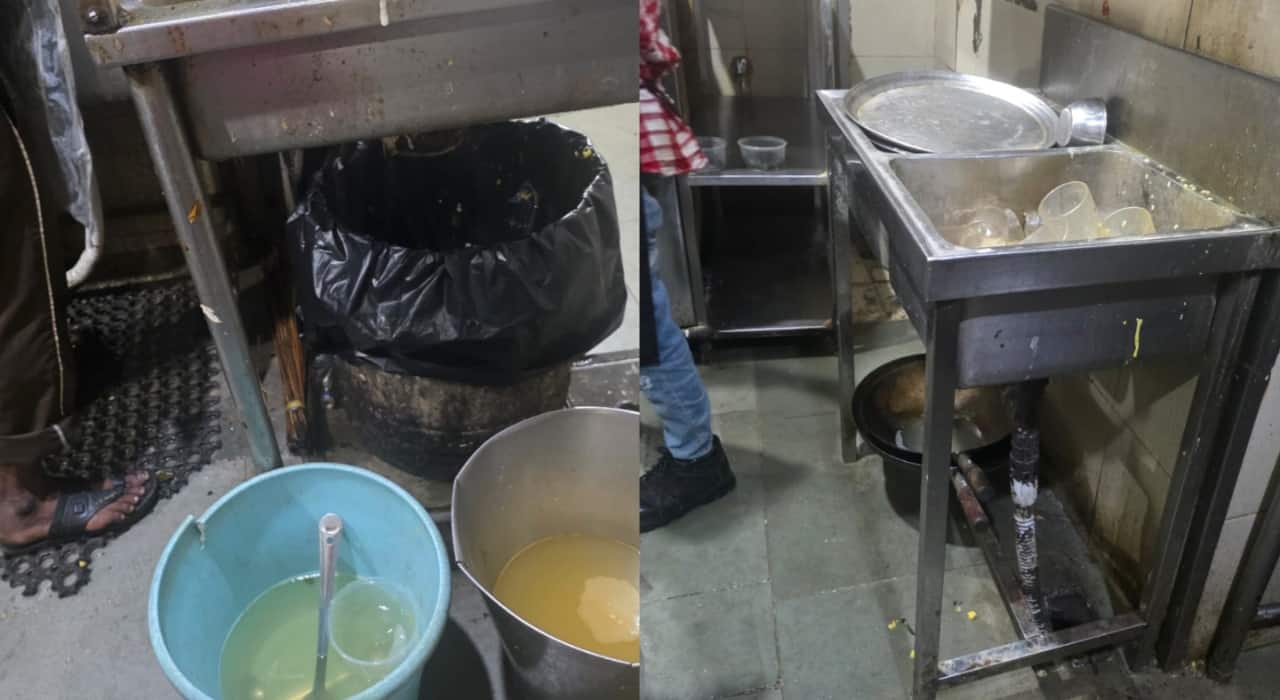
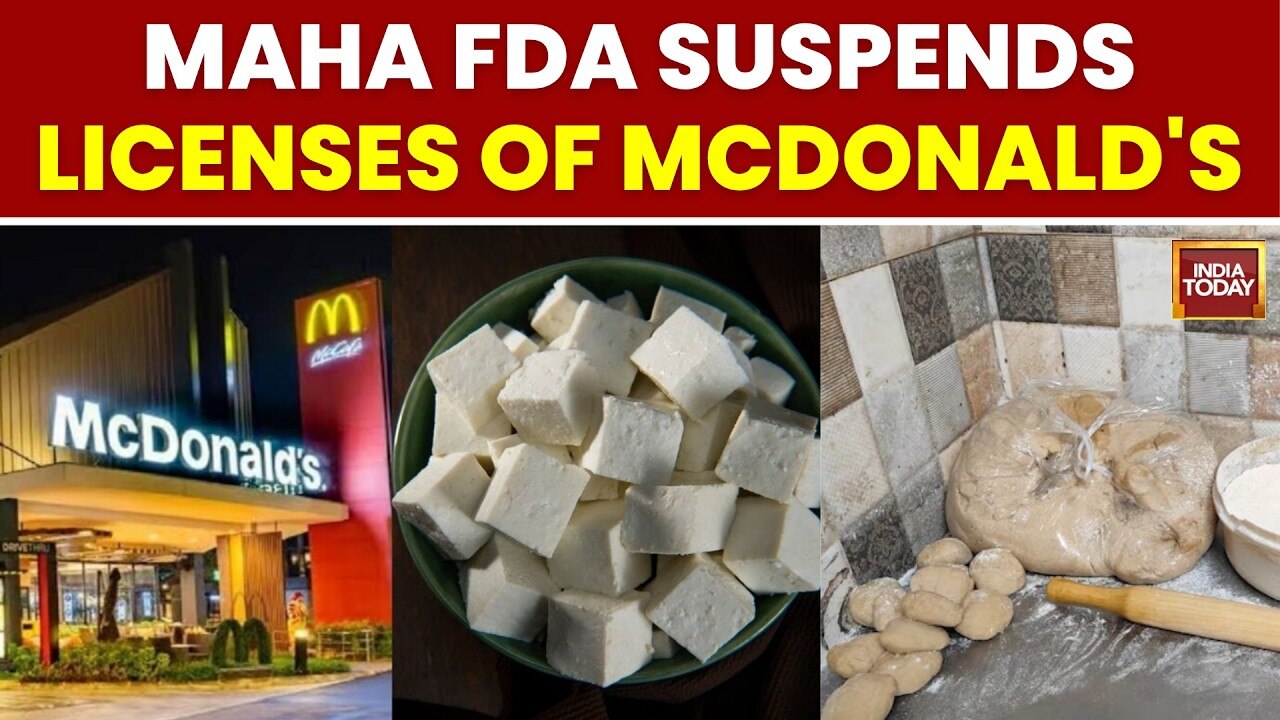
- The Bombay High Court refused to grant any urgent relief to the Thane-based restaurant Udupi Swaad, which is facing action from the Maharashtra Food and Drug Administration (FDA) for serving banned analogue paneer.
- The court stated that the restaurant needs to suffer for some time just as it made customers suffer by serving them 'something rotten'.
- The Maharashtra government had previously banned the manufacture and sale of analogue paneer for one year due to public health concerns.
- The FDA suspended the eatery's licence on August 11 after it was found serving the banned analogue paneer.
- The court directed the FDA to file its affidavit in reply and scheduled the matter for further hearing on September 7.
- In June, analogue paneer was discovered in the restaurant, leading to the FDA's investigation and subsequent actions.
The Bombay High Court has taken a firm stance against Udupi Swaad, a Thane eatery, for serving banned analogue paneer. The court, led by Acting Chief Justice Ravindra Ghuge and Justice Gautam Ankhad, emphasized that the restaurant must 'suffer' for misleading customers by serving a product that is not genuine dairy paneer.16
The court's decision comes after the Maharashtra government imposed a one-year ban on the manufacture and sale of analogue paneer due to public health concerns. The judges criticized the restaurant for making customers believe they were consuming authentic paneer, stating, “You are making people eat something rotten by making them believe that it is paneer.” They further remarked that the eatery should be transparent about its offerings, suggesting they should advertise that they do not serve original food.3
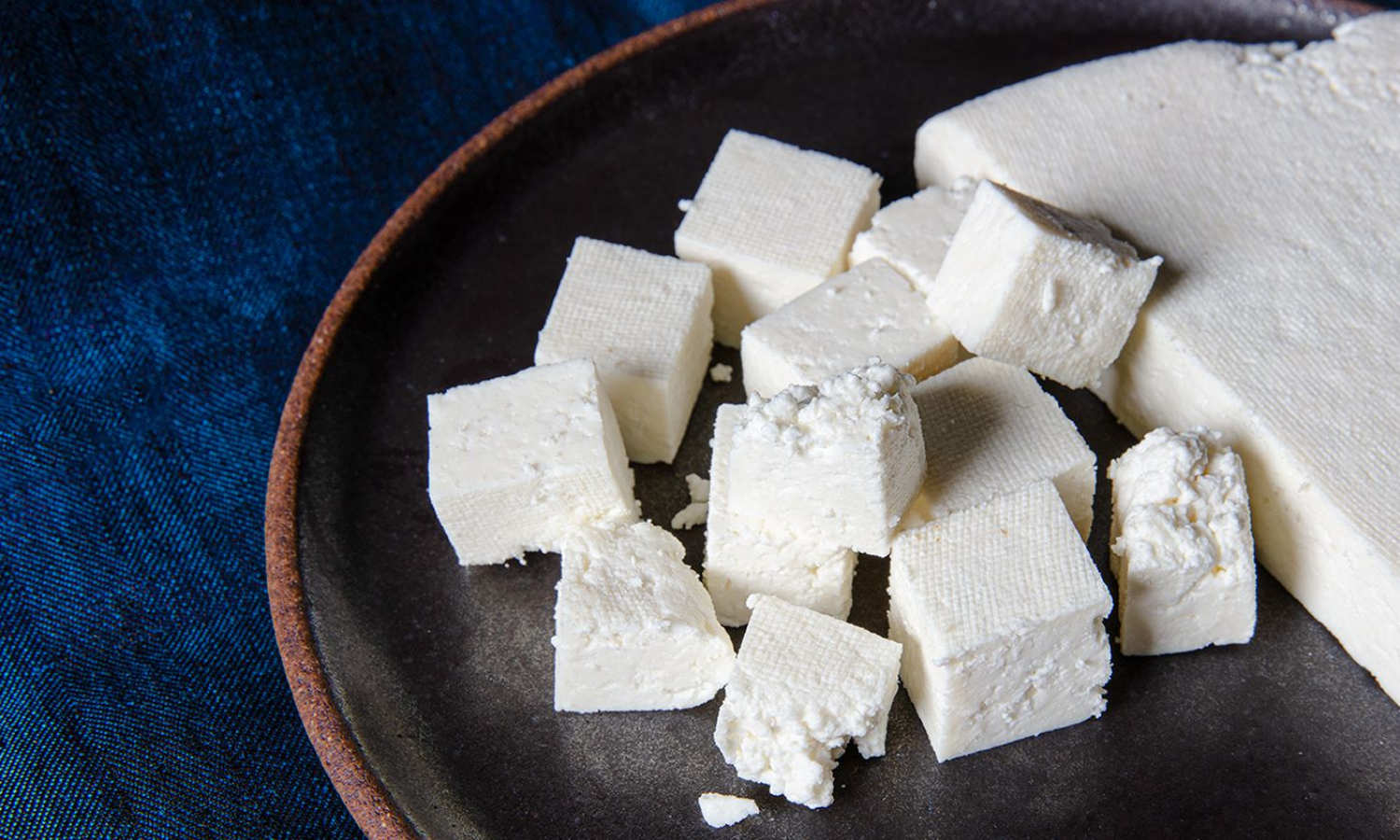
The FDA had suspended the restaurant's license after discovering that it was serving the banned product. The court noted that offenders could face severe penalties, including life imprisonment and fines of up to ₹10 lakh if unsafe food consumption leads to death. The bench ordered the FDA to file a detailed reply by September 2, with the case set for further consideration on September 7.
The court's ruling underscores the importance of food safety and consumer rights, as it holds establishments accountable for their practices.
“The court directed the FDA to file its reply by September 2 and scheduled the next hearing for September 7. Offenders under the ban could face life imprisonment and a minimum fine of ₹10 lakh if consumption leads to death.”

 Live Law