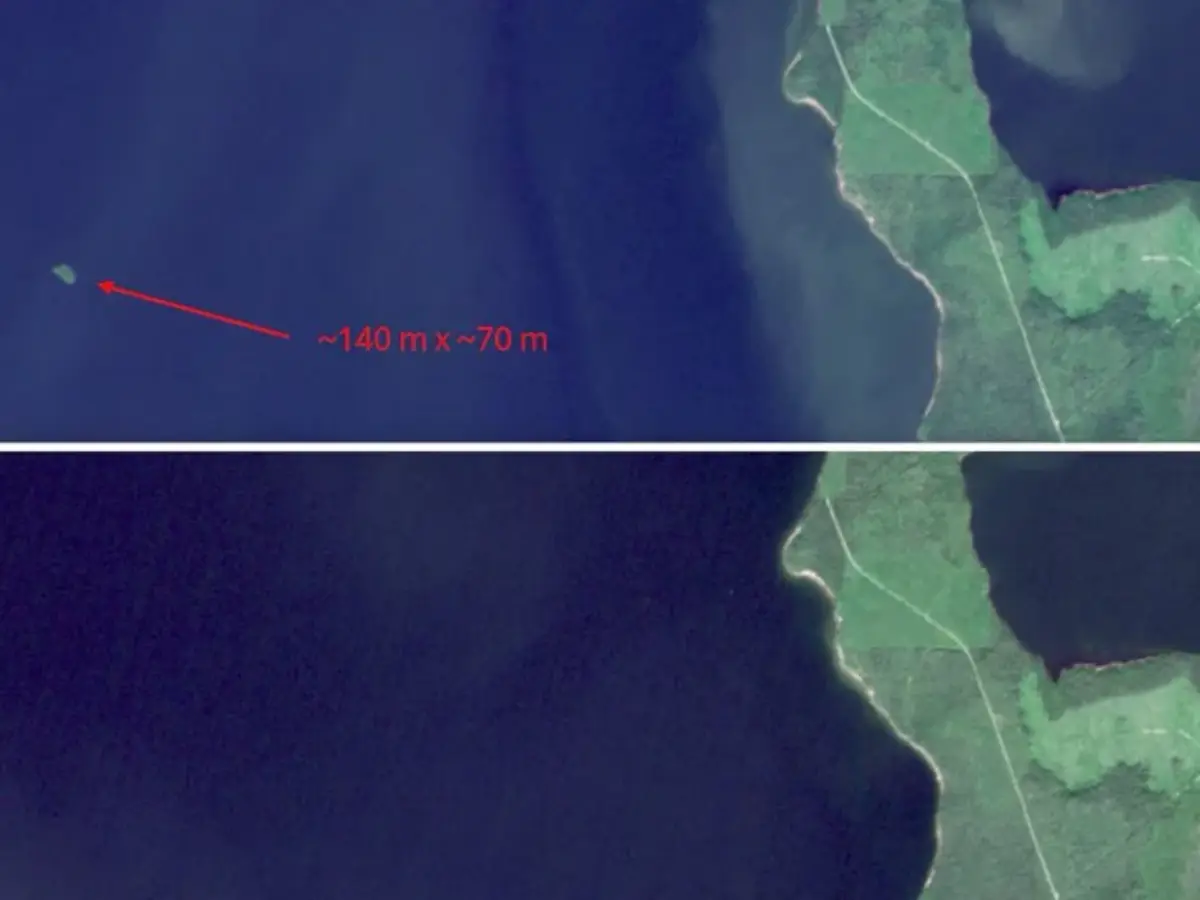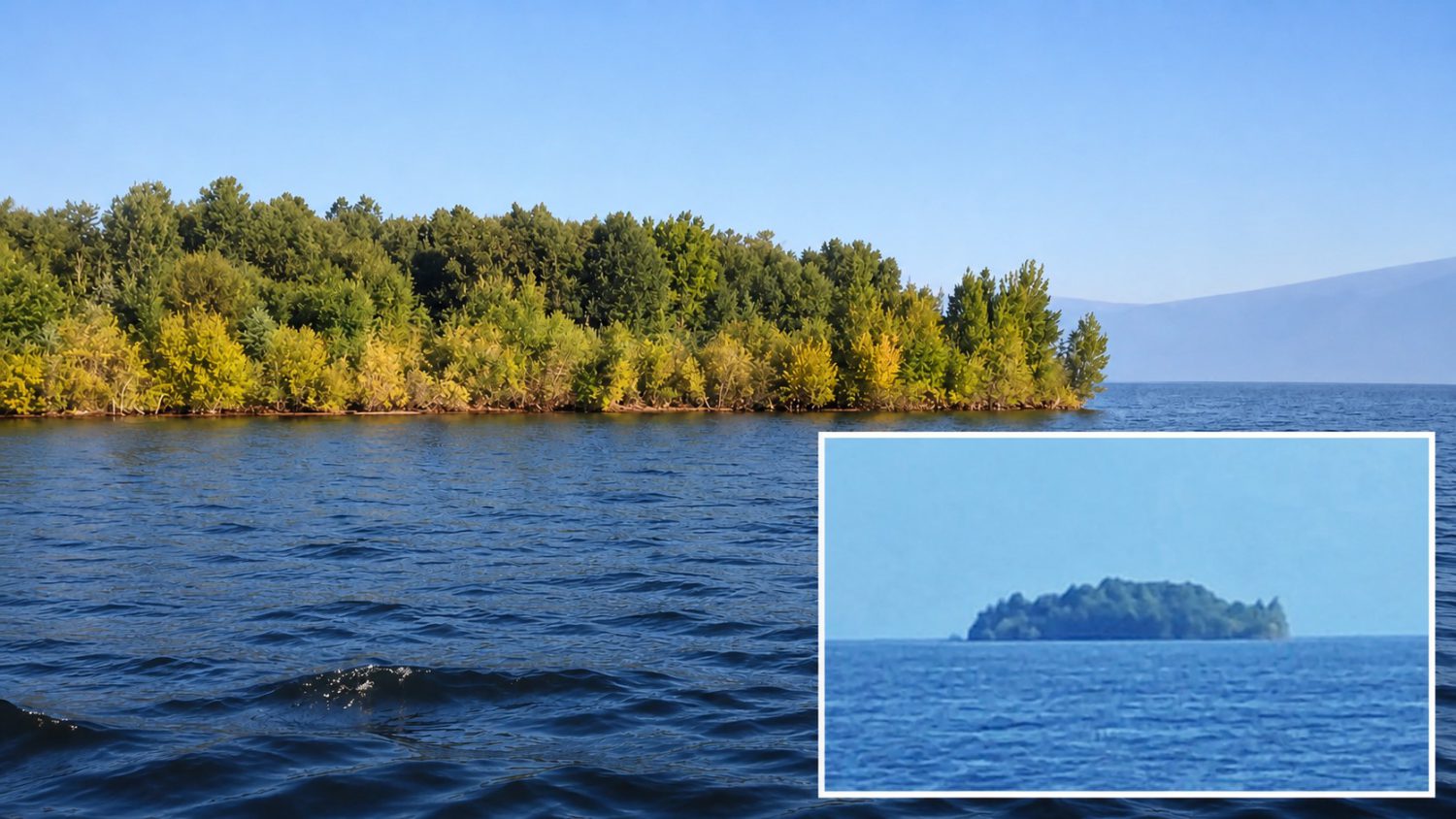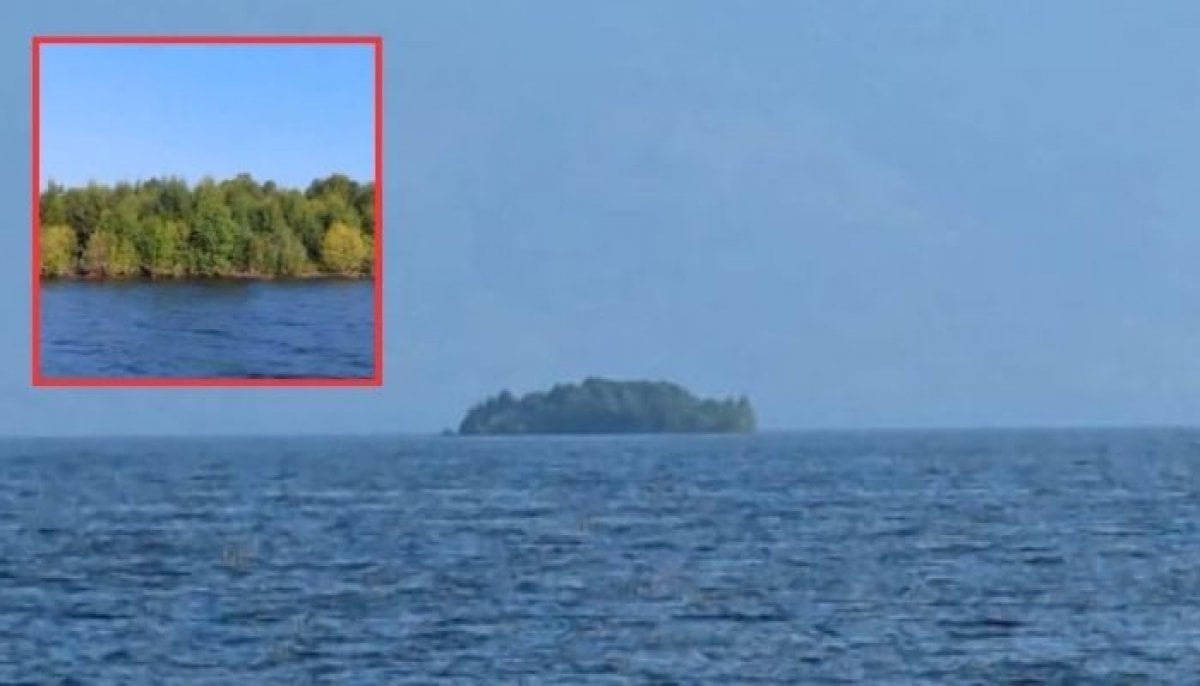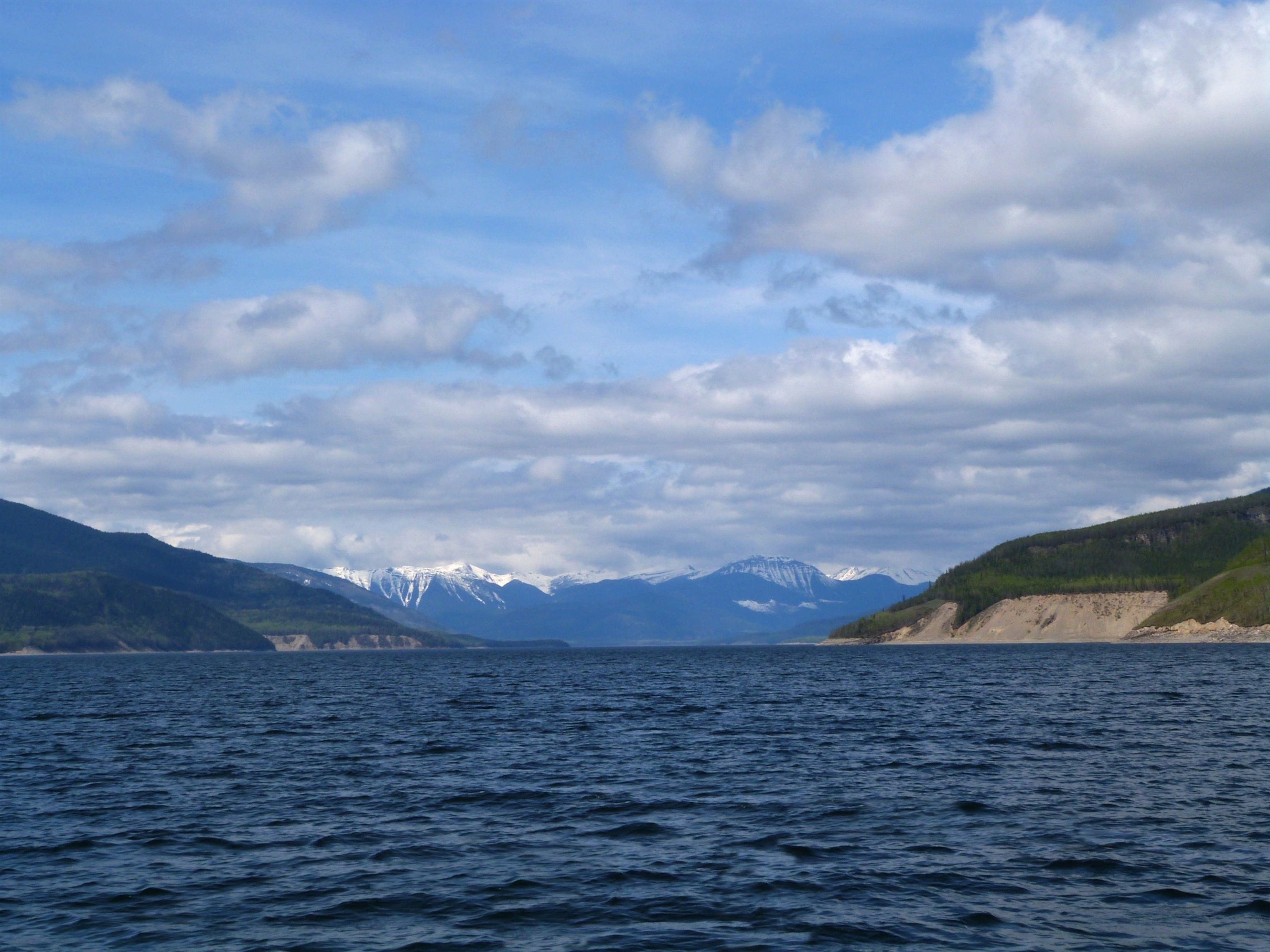
- A boater discovered a previously uncharted, forested floating island in British Columbia's Williston Lake, about the size of two U.S. football fields.
- Such large, forested floating islands are rare today but were once more common before industrial damming and logging.
- The island's appearance may be linked to high water levels in August, and similar islands exist worldwide, with lifespans ranging from days to years.
- The island likely originated from the lake's shoreline, loosened by waves, winds, and water level changes.
- Floating islands are an endangered landform due to damming, logging, and removal of log rafts, and researchers suggest dating the trees to understand its origin.
A boater recently discovered a floating island in British Columbia's Williston Lake, a rare sight that scientists say was once common before extensive industrial damming and logging. The island, about the size of two football fields, is covered in lush trees and may have formed due to high water levels in August.456
According to experts, floating islands are typically made up of aquatic plants, root masses, soil, and woody debris, allowing them to stay afloat. Helm
The formation of such islands has become increasingly rare, as industrial activities have diminished the natural processes that create them. Anderson“As I was coring the tree, I noticed there was water flowing underneath it,” she explained, highlighting the unique ecosystem that can develop on these islands.
While many floating islands can disintegrate quickly, the Williston Lake island appears to be stable, possibly due to its intact forest. “For Anderson and Helm, the forested floating island isn’t a novelty. It’s an endangered landform,” they stated, emphasizing the ecological significance of such formations in a changing environment.
To further understand the island's history, researchers are interested in dating the trees to determine their age and origins.
“The island, about the size of two football fields, likely broke off from the shoreline due to high water levels in August. Researchers suggest dating the trees to determine if there's an older core, as these landforms are now endangered.”

 National Geographic