- Binance released a detailed investigation into the $6 billion hack of its cryptocurrency platform, revealing that attackers used fake job interviews and malicious code to steal the funds.
- Attackers took their first steps toward the breach as early as June, targeting a platform engineer by tricking them into downloading a virus-laden version of Homebrew.
- In September, attackers approached another engineer via a legitimate job-search platform, offering an interview for a fictitious company and using social media to build trust before asking them to download a test exercise containing malware.
- On October 20, attackers gained control over software used by two other engineers, and nine days later triggered malicious code that initiated the attack.
- Binance's cybersecurity teams identified and removed the malware, but the hackers had already harvested information about the engineer and his colleagues.
- The malware deployed sophisticated obfuscation and evasion techniques and was critical to the attack, allowing hackers to connect to Binance's internal systems.
- Binance said it replenished 98 percent of affected assets using its own funds, with the remainder involving little-traded currencies harder to acquire.
Binance's investigation into the $6 billion hack revealed that attackers used fake job interviews and malicious code to infiltrate its systems. The breach, attributed to North Korean hackers, began as early as June when they targeted a platform engineer with a virus-laden software download.123
In September, the hackers approached another engineer through a legitimate job-search platform, offering a fictitious interview. After establishing trust, they sent a test exercise containing malware that allowed them to connect to Binance's internal systems. On October 20, they exploited this access to control software used by two other engineers, leading to the attack's initiation on October 29.4567
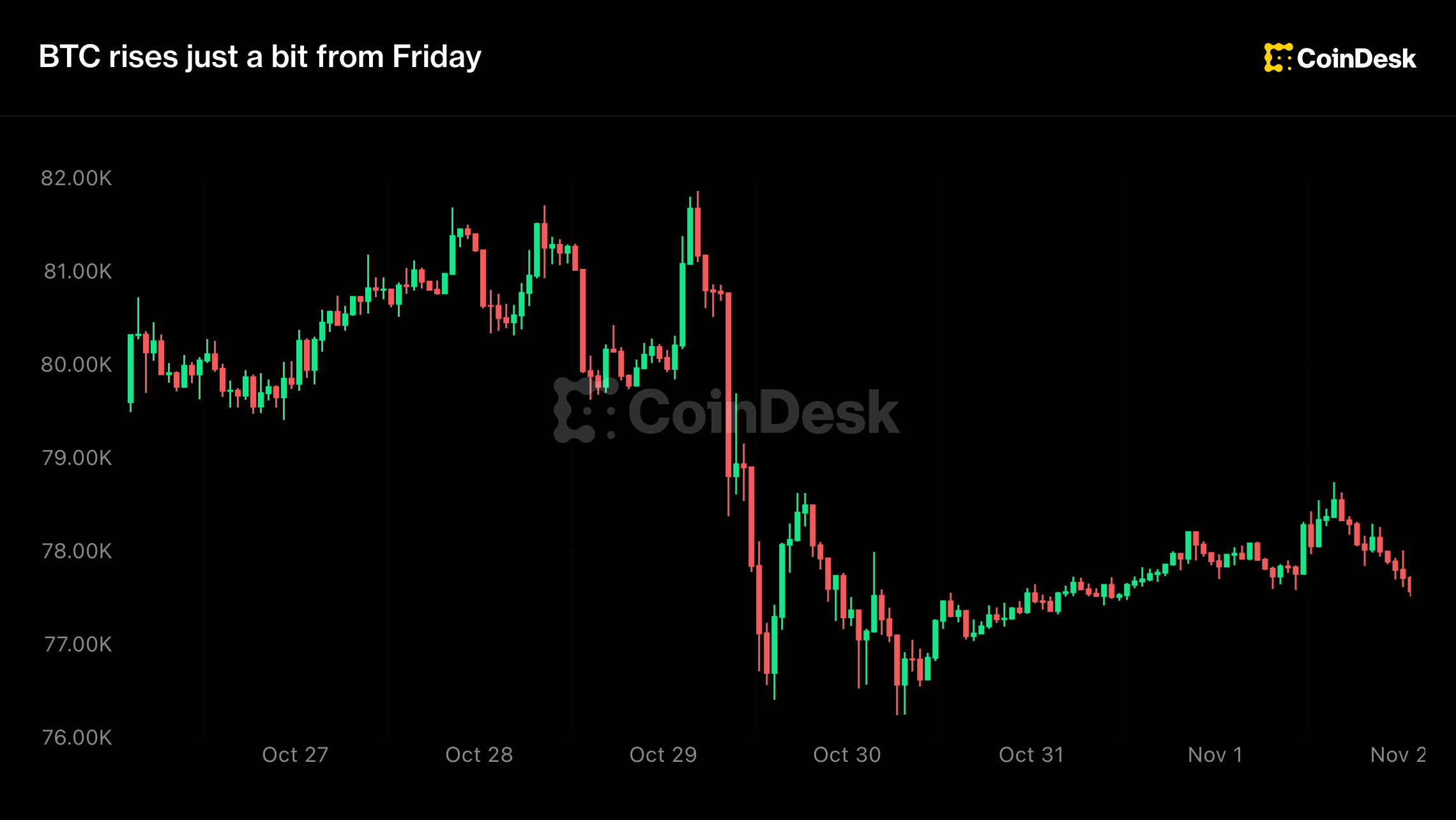
Despite the severity of the breach, Binance has replenished 98% of the affected assets using its own funds, with the remaining assets being less-traded currencies. The incident, described as the largest crypto heist to date, caused significant declines in cryptocurrency prices, highlighting the vulnerabilities within the digital asset space.
“The exercise contained malware that deployed sophisticated obfuscation and evasion techniques,” Binance stated, emphasizing the advanced tactics employed by the hackers. The exchange continues to bolster its cybersecurity measures in response to this unprecedented attack.
“The attack began as early as June when a platform engineer was tricked into downloading a virus-laden version of Homebrew. By October 20, attackers had gained control over software used by two other engineers, and nine days later they triggered the malicious code that initiated the heist.”