- The Japanese yen steadied near the closely watched 160-per-dollar level on Tuesday, with the pair around 159.81, after weakening past 160 in each of the previous two sessions.
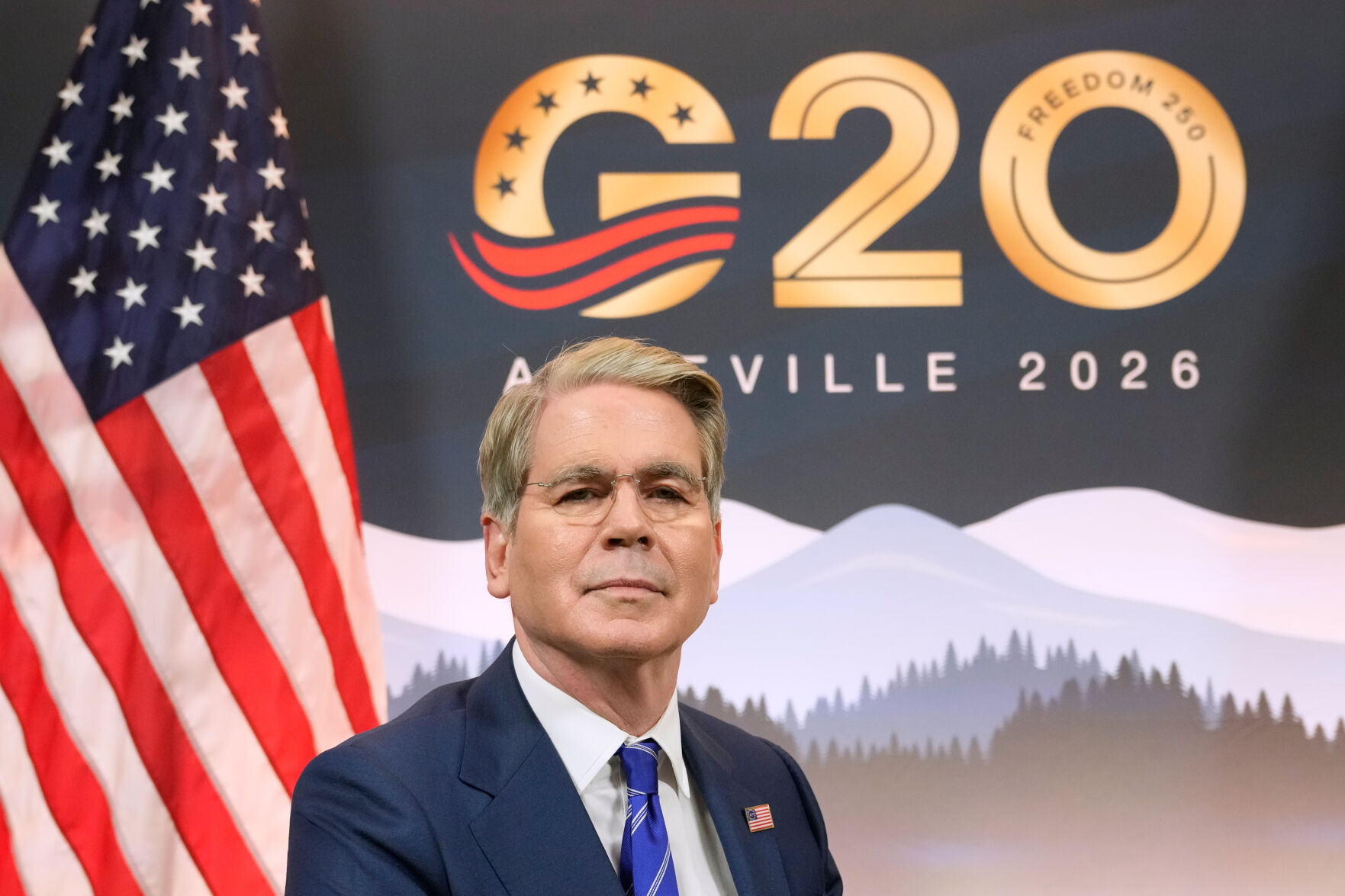
- Scott Bessent backs BOJ hikes, urging Japanese officials to raise interest rates.
- The yen has surrendered more than half the gains from a record bout of intervention that began in late July, and the rare joint Japan-U.S. intervention provided only short-lived relief.
- Oil rose 0.7% to about $91.10 a barrel after the U.S. and Iran exchanged direct strikes for the first time in about a month.
The Japanese yen has stabilized around the 160-per-dollar mark, following a period of volatility where it weakened past this threshold.
Bessent has urged the Bank of Japan to implement further interest rate hikes, which could bolster the yen's value.
NHK reported that Bessent communicated with Japanese Finance Minister Satsuki Katayama and BOJ Governor Kazuo Ueda about the necessity of these hikes.
Global bond yields have reached multi-year highs, reflecting investor sentiment amid these developments.
Meanwhile, the dollar eased as markets reacted to Bessent's comments, which shifted expectations for the upcoming Federal Open Market Committee meeting.
Bloomberg swaps pricing indicated a 74% probability of a Fed hike this month, a significant increase from the previous day's 34%.
The geopolitical landscape has also shifted, with renewed U.S.-Iran hostilities pushing oil prices above $91 per barrel.
American forces targeted an island in the Strait of Hormuz, prompting Iranian retaliation against the UAE and Jordan.
This combination of economic and geopolitical factors is creating a complex environment for investors and policymakers alike.
“The yen has surrendered more than half the gains from a record intervention that began in late July, and the rare joint Japan-U.S. intervention provided only short-lived relief. Market pricing for a Fed hike this month varies, with Bloomberg swaps at 74%, CME FedWatch at 65%, and DBS at about 67%.”