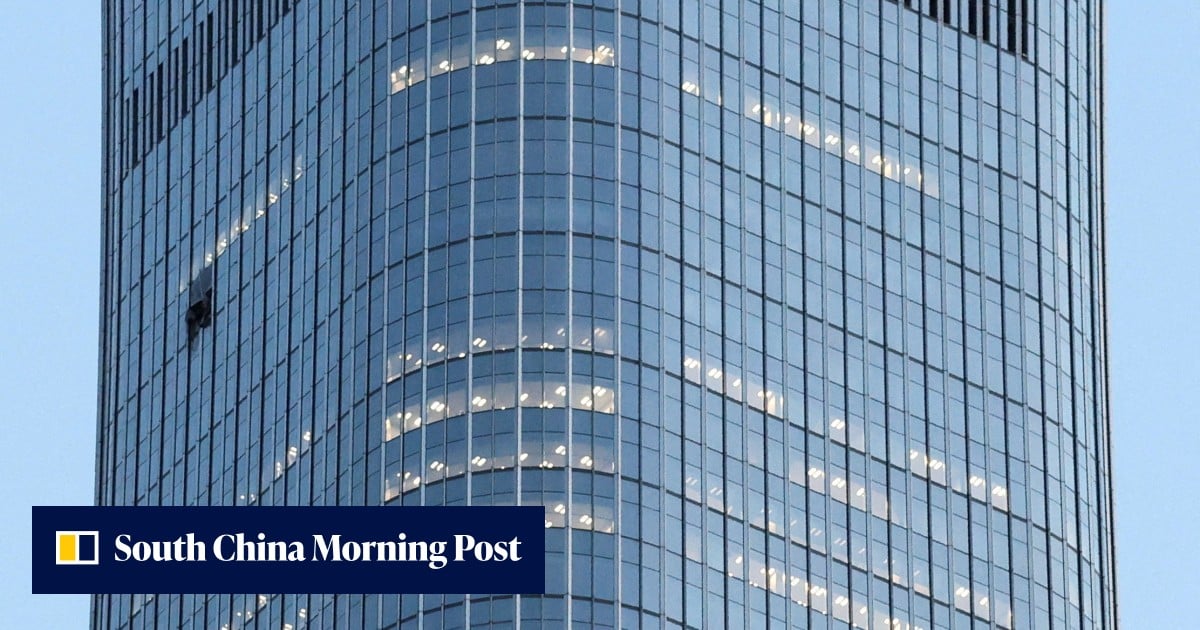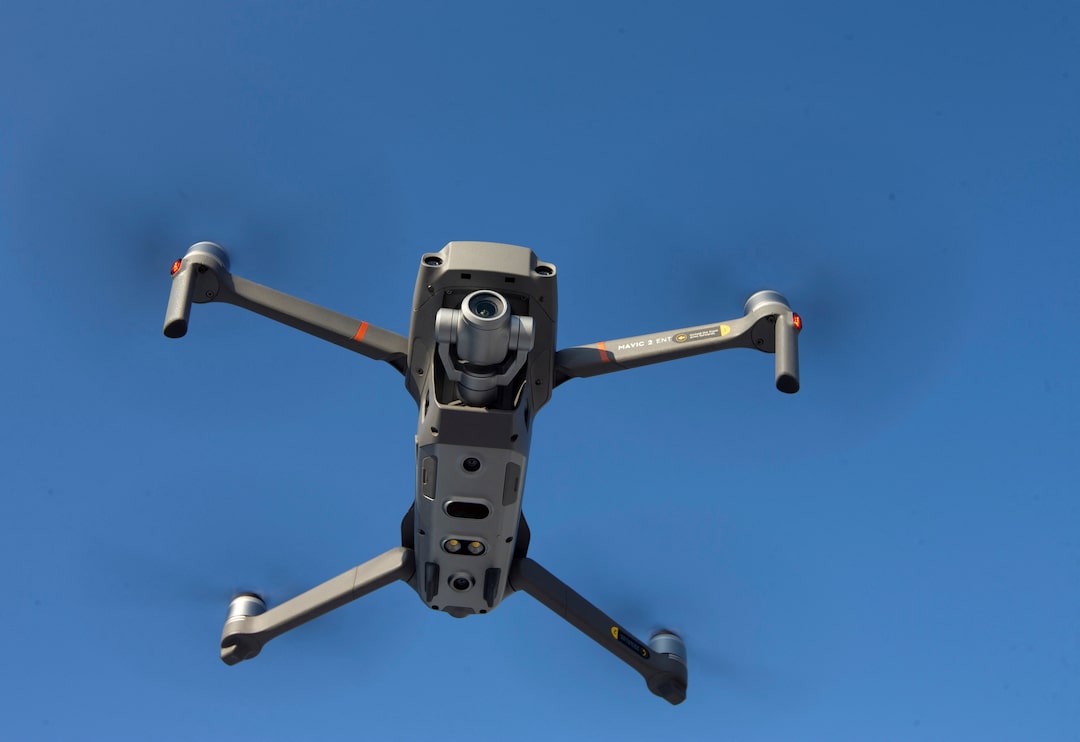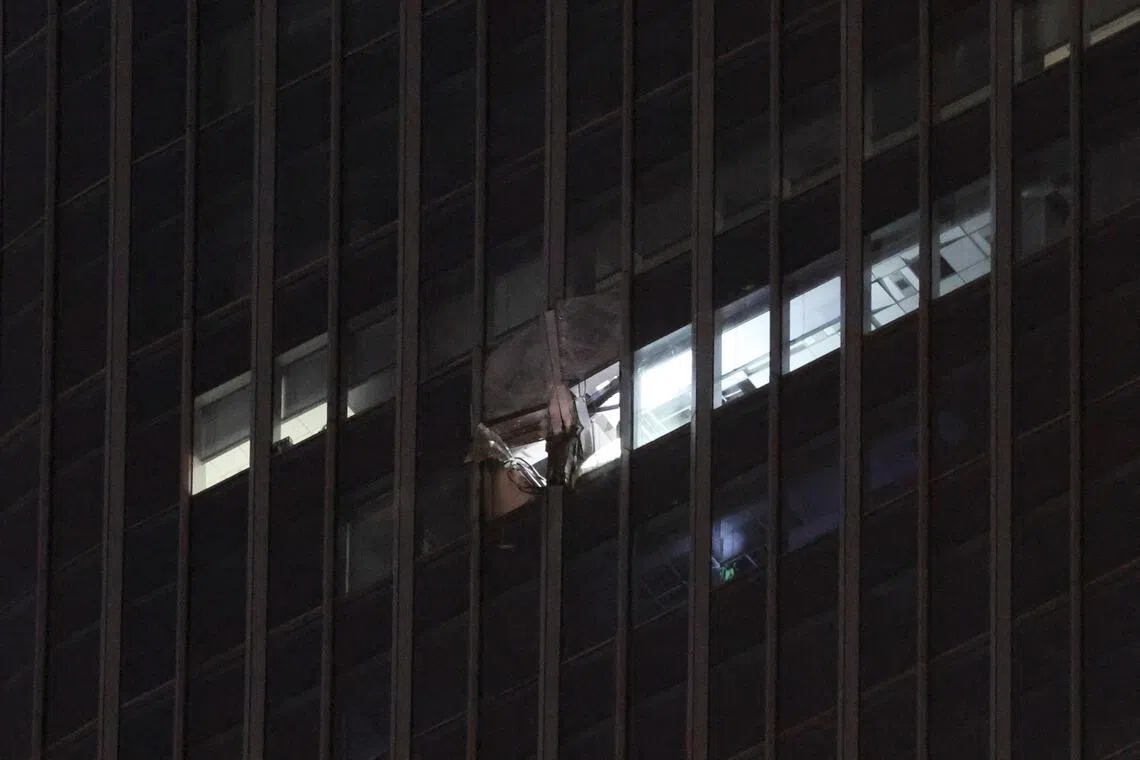
- Beijing has banned the possession and use of recreational drones effective Nov 15, as part of moves to bolster security following a June incident where a two-seat light plane crashed into the Citic Tower, killing the pilot and injuring 13 others.
- Residents will have until Nov 14 to relocate drones and drone parts outside the city, with the government offering a buyback program capped at 3,000 yuan per unit.
- All of Beijing is designated as controlled airspace, with tightened regulations extending within a 300km radius of the city.
- New regulations require aircraft to maintain two-way contact with air traffic controllers and have back-up tracking systems.
- Shares of companies related to China’s low-altitude aircraft industry fell in trading following the announcement.
- In June, a two-seat light plane crashed into the 109-story Citic Tower, resulting in the death of the pilot and injuries to 13 others. The incident occurred just several kilometers from the headquarters of the ruling Communist Party and the residences of top leaders.
- The measures represent Beijing's toughest response to the accident, which was one of the most serious civil aviation and public security breaches in highly sensitive airspace.
Beijing's new regulations will prohibit residents from possessing or storing drones and drone parts, effective Nov. 15. They have until Nov. 14 to relocate their drones outside the city, with a government buyback program offering up to 3,000 yuan ($447) per unit.123456

The rules classify all of Beijing as controlled airspace, with additional restrictions extending to a 300km radius around the city. These measures are among the strictest globally, following a serious incident in June when a light plane crashed into the 109-story Citic Tower, killing the pilot and injuring 13 others. The crash occurred near the headquarters of the ruling Communist Party, raising significant security concerns.910
While commercial flights will not be affected, all aircraft operating in the area must have back-up tracking systems and maintain two-way communication with air traffic controllers at all times. This incident has prompted Beijing to implement its toughest airspace regulations to date, addressing one of the most serious breaches of civil aviation and public safety in a sensitive area.7
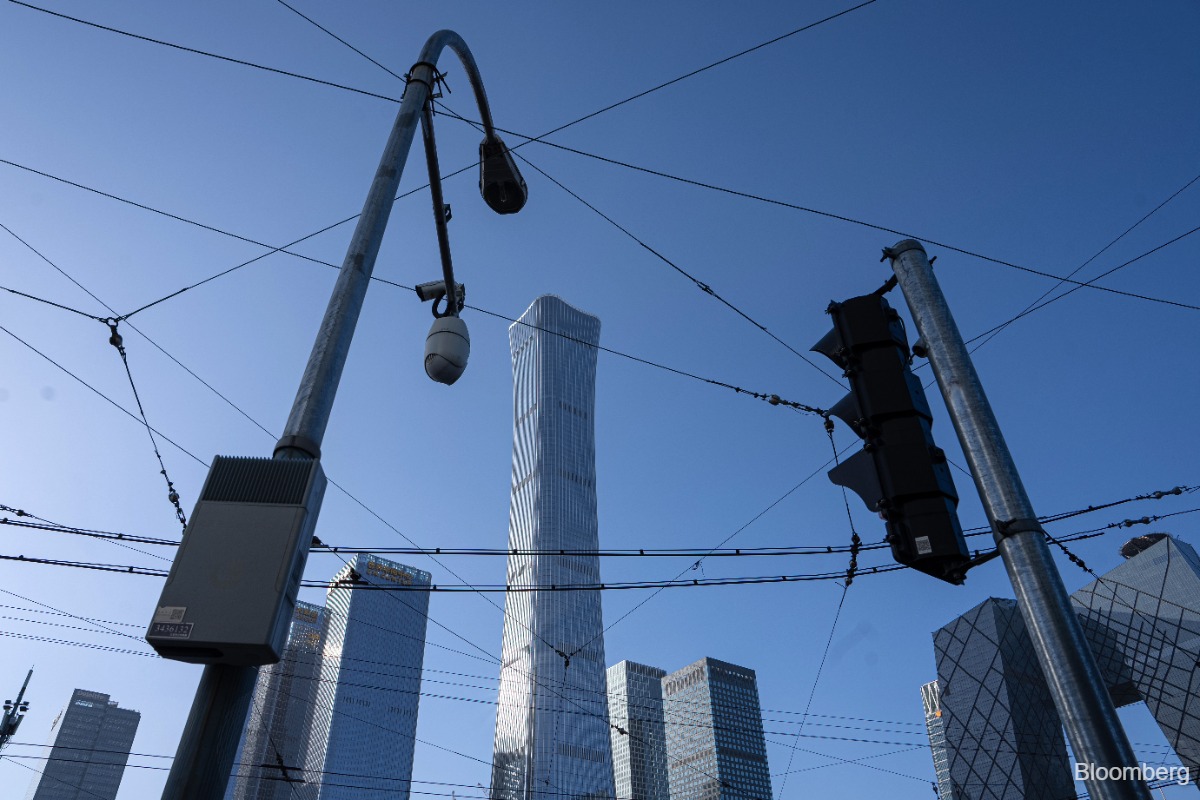
As cities like Washington and Paris impose similar restrictions, Beijing's approach stands out by completely prohibiting residents and visitors from possessing drones, rather than merely restricting their flight.
“Residents have until Nov 14 to relocate drones outside the city, with a buyback program capping purchases at 3,000 yuan per unit. The restrictions, some of the tightest globally, come after a light plane crashed into the 109-story tower, killing the pilot and injuring 13 others.”
 Yahoo Finance
 The Edge Malaysia