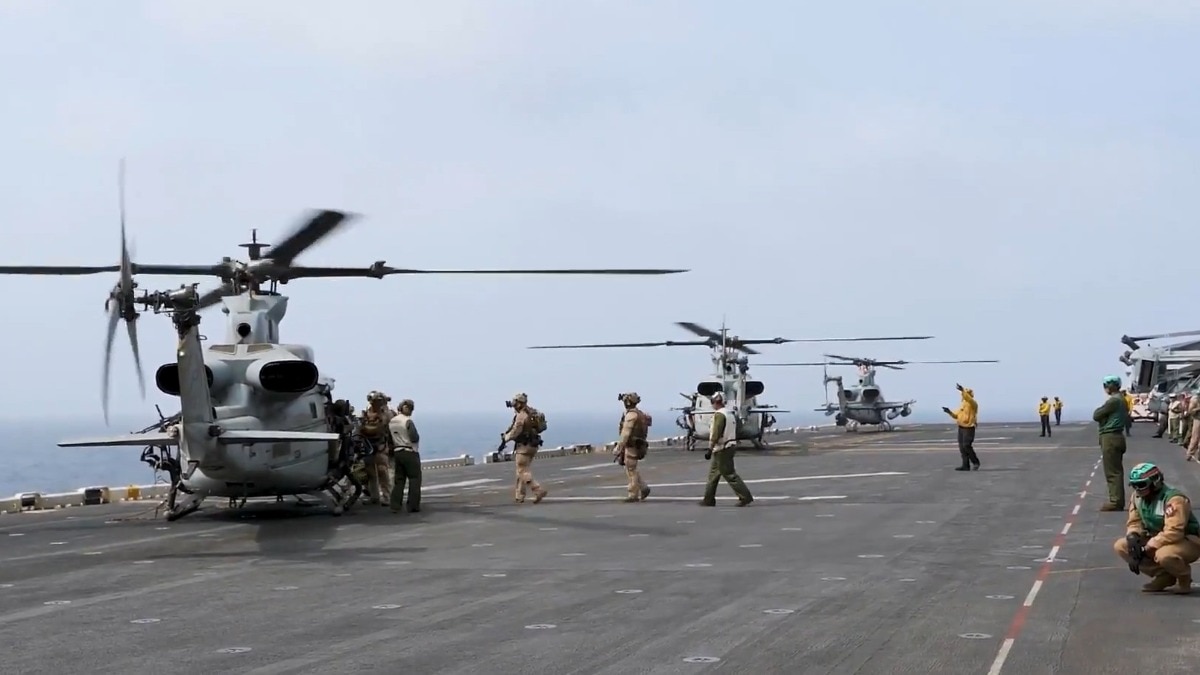
- US military has conducted weeks of air strikes aimed at weakening Iran's military capabilities and pushing Tehran back to negotiations.
- A senior US military officer at CENTCOM emailed intelligence analysts requesting 'creative and unconventional' ways to pressure and punish Iran.
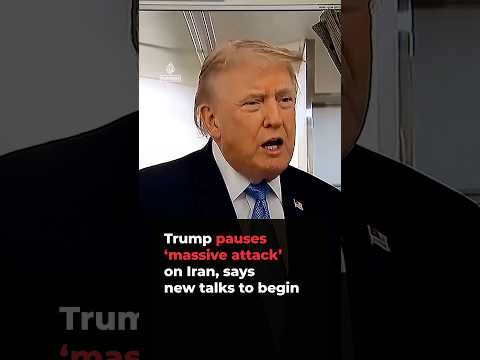
- Trump threatened new 'unprecedented' strikes against Iran but called them off after Saudi Arabia's crown prince urged de-escalation.
- Military planners prepared options including strikes on buried nuclear sites, symbolic 'fireworks' strikes, and a broader one-to-two-week bombardment, while Trump delayed approval.
- The request for 'creative and unconventional' strategies highlights growing concern that air strikes alone may not achieve President Trump's objectives or force Tehran into negotiations.
- CENTCOM spokesperson defended the outreach, stating the command has a long history of encouraging innovative thinking.
- Despite weighing multiple options, Trump has continued to emphasize that he ultimately wants Iran to agree to a deal while maintaining military pressure.
- US intelligence agencies reportedly believe the bombing campaign is unlikely to force Iran into a deal or significantly alter its negotiating position.
The U.S. Central Command (CENTCOM) has reached out to military analysts for innovative strategies to pressure Iran, as traditional airstrikes are deemed insufficient. An email soliciting ideas reflects a shift in military strategy amid rising tensions and limited options for President Trump.2367
The email, sent last week, sought "new creative and unconventional ways" to pressure Iran, indicating a growing concern that existing military strategies may not fulfill Trump's objectives. Chairman of the Joint Chiefs of Staff Gen. Dan Caine acknowledged the limits of air power, stating, "Air power has its limits."
Despite ongoing airstrikes aimed at weakening Iran's military capabilities, intelligence assessments suggest these actions are unlikely to alter Tehran's negotiating position. Military planners have noted that airstrikes alone cannot effectively target deeply buried nuclear facilities, such as those at Pickaxe Mountain, and ground operations may be necessary, a risky option Trump has hesitated to authorize.1
The CENTCOM email reflects a broader reevaluation of strategies, with officials recognizing the need for fresh ideas as the U.S. seeks to maintain pressure on Iran while pursuing a diplomatic resolution. Trump has emphasized the importance of a deal, stating, "At the end of the day, POTUS will want a deal, so he'll continually look for ways to get tough and get out of this."
As tensions escalate, the potential for a long-term military confrontation looms, particularly concerning the security of the Strait of Hormuz, a vital global shipping route.
“Trump threatened new strikes last week but pulled back after Saudi Arabia's crown prince urged de-escalation; weeks of air strikes have produced no deal. At least 18 US service members have been killed, and Joint Chiefs Chairman Gen. Dan Caine acknowledged, "Air power has its limits."”