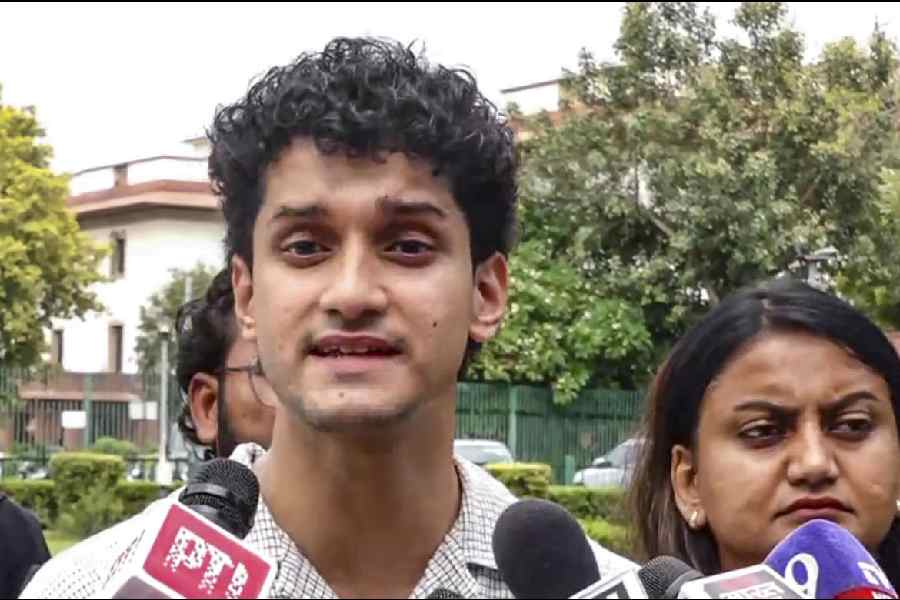
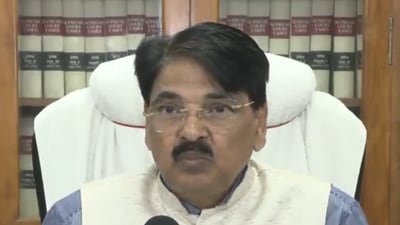
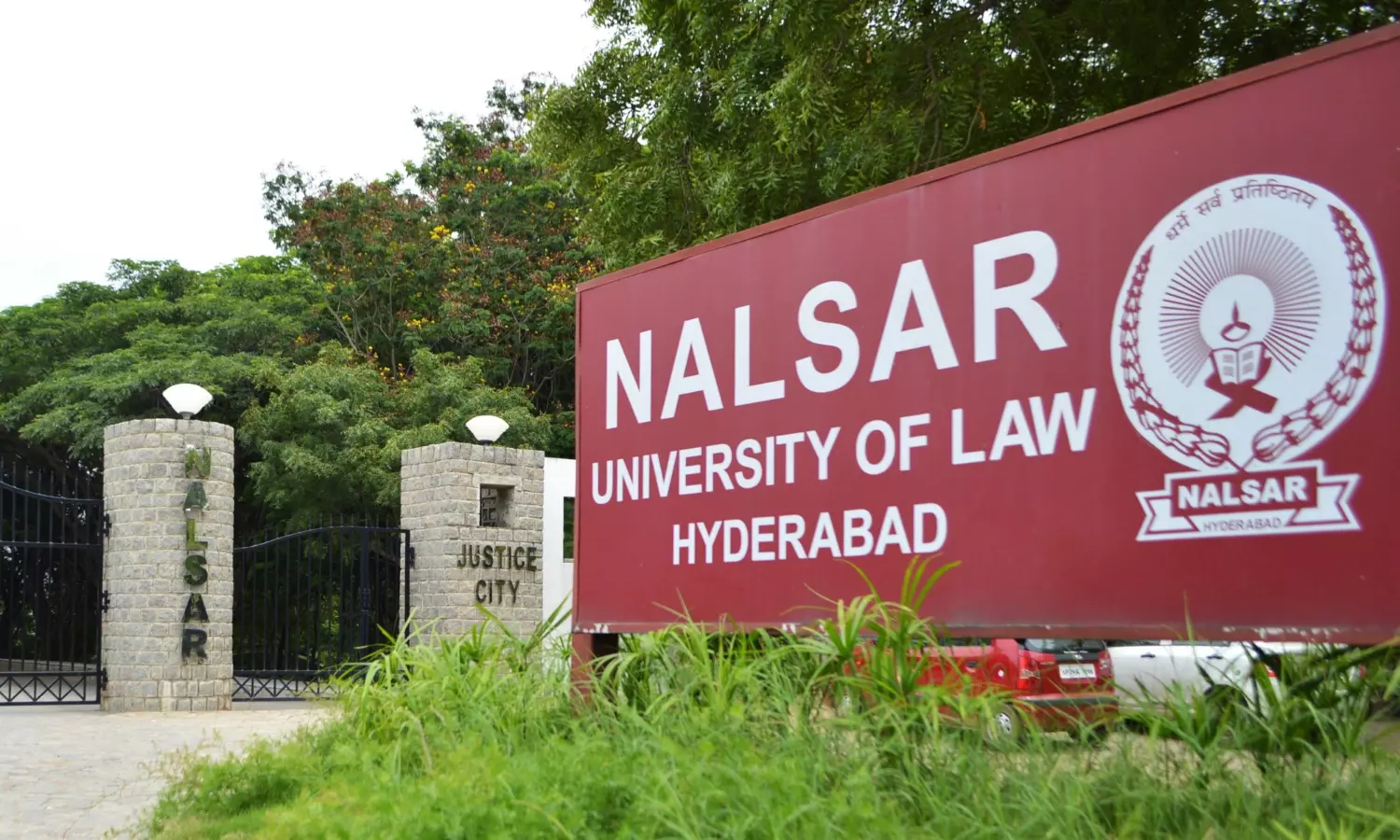
- Manan Kumar Mishra, the Chairperson of the Bar Council of India (BCI), has decided to drop all proceedings against the 2026 graduating batch of NALSAR University of Law, Hyderabad, ending the controversy triggered by students' objections to Chief Justice of India Surya Kant's participation in the convocation.
- Mishra announced the decision in a late-night post, stating that after considering representations from senior advocates, members of the Bar, law students, and the public, the Council was satisfied that the 2026 batch had no role in any disturbance or movement.
- "The Bar Council of India has decided to close the proceedings altogether. No further action is required," Mishra said in a post on X, following massive backlash over the Chairperson's the enrolment of the entire NALSAR 2026.
- In his latest statement, Mishra said students should be able to express opinions but stressed that such expression should be accompanied by respect and institutional decorum. He also cautioned against publicly ridiculing constitutional institutions, saying that while dissent is welcome, public ridicule of constitutional institutions is often counterproductive.
- Mishra wished the graduating students success in their careers and called them vanguards of the country's legal institutions.
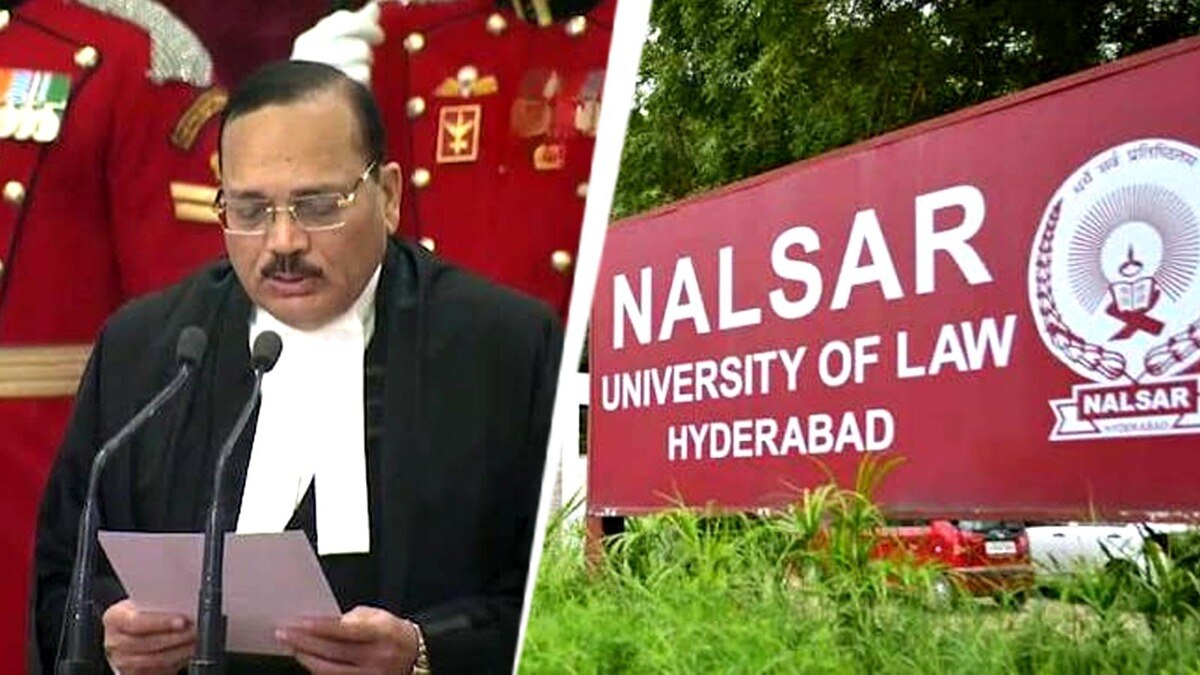
- Meanwhile, the NALSAR VC stated that the University will first examine if the BCI has the statutory power to demand such an inquiry before acting on the Council's request.
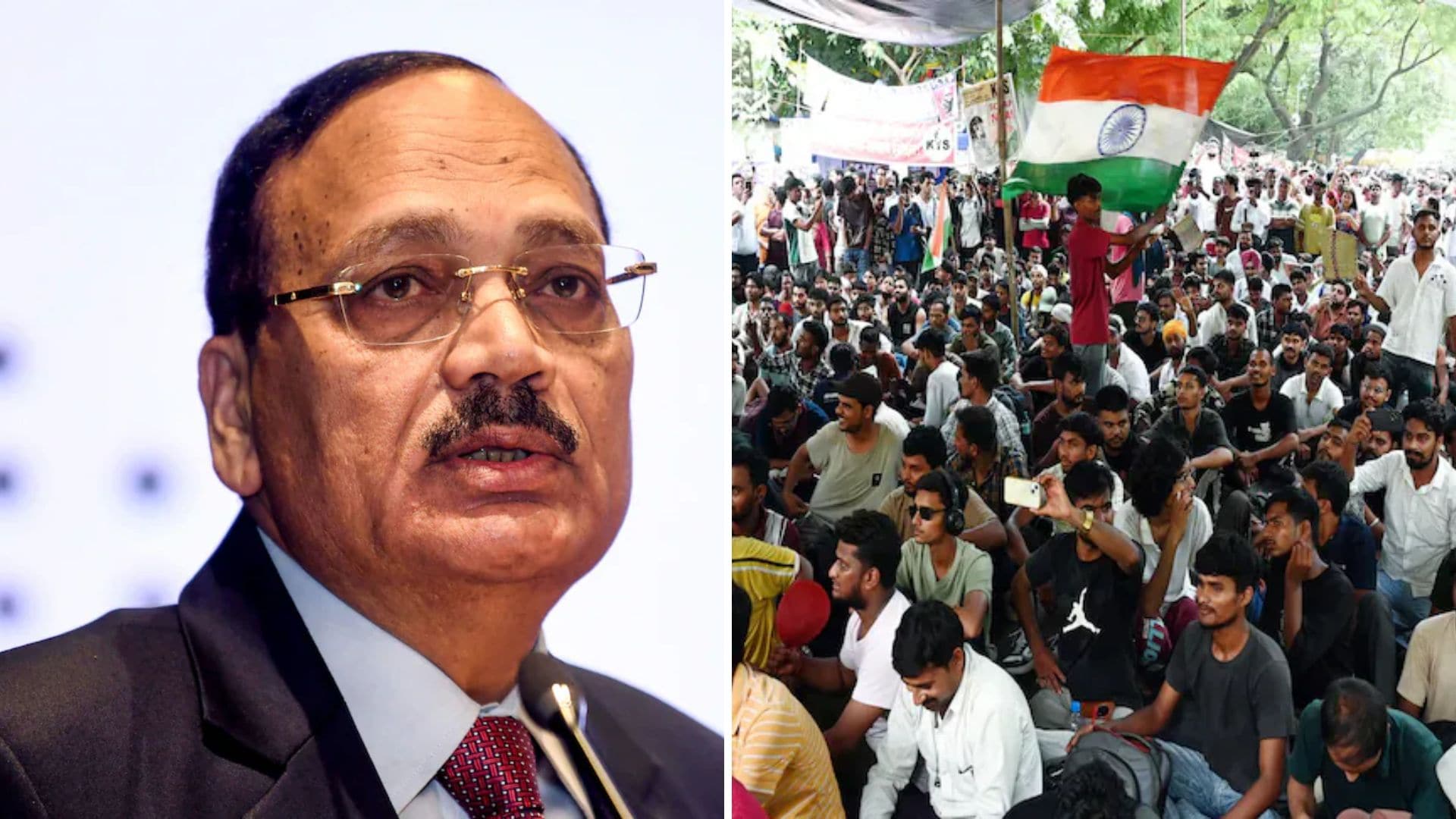
Manan Kumar Mishra, Chairperson of the Bar Council of India (BCI), has officially dropped the inquiry against the 2026 graduating batch of NALSAR University of Law, following significant backlash over an enrolment ban. The controversy erupted when some students protested the invitation of Chief Justice Surya Kant as the chief guest for their convocation, citing his remarks on police actions against student protesters in Delhi.1
In a late-night announcement, Mishra stated that after reviewing feedback from senior advocates, law students, and the public, the Council concluded that the 2026 batch had no involvement in any disturbances. “The Bar Council of India has decided to close the proceedings altogether. No further action is required,” he posted on X, indicating a swift reversal of the initial decision to restrict enrolment pending an inquiry.2
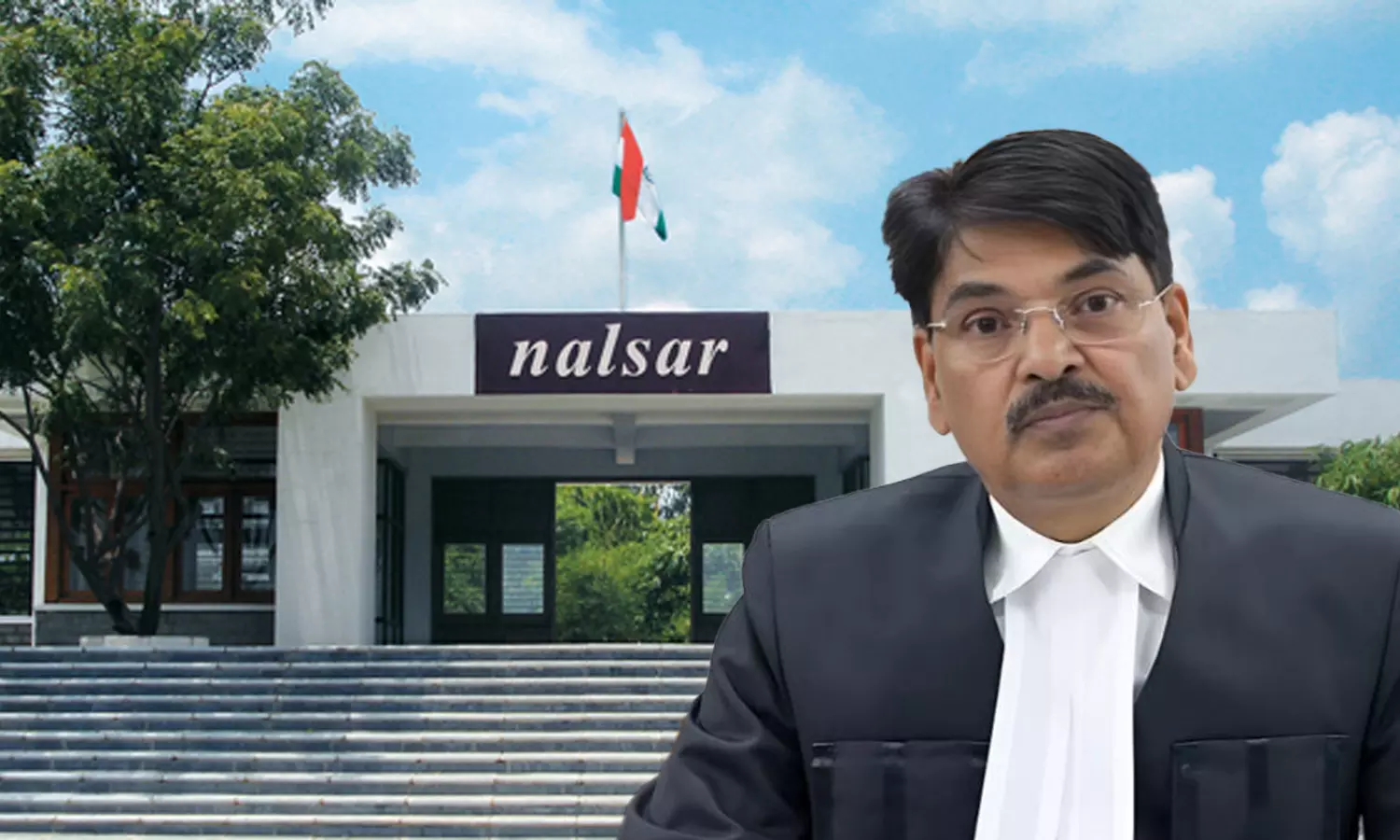
The initial ban on enrolment lasted only about an hour before Mishra retracted it, allowing students to proceed with their enrolment while retaining the inquiry into those who organized the protests. Mishra emphasized the importance of expressing opinions with “respect and institutional decorum,” cautioning against public ridicule of constitutional institutions. He acknowledged the role of students as the “vanguards” of the country’s legal institutions and wished them success in their future careers. Meanwhile, the NALSAR Vice-Chancellor indicated that the university would first assess the BCI's statutory authority to demand such an inquiry before taking any action.456
“Mishra said the Council was satisfied the 2026 batch had no role in any disturbance, following representations from senior advocates and law students. He cautioned against public ridicule of constitutional institutions, while NALSAR's VC said the university will first examine BCI's statutory power to demand an inquiry.”
 livelaw.in