- Bank of England announced its first interest rate hike in over three years on Thursday, raising its key rate by 25 basis points to 4%.
- This hike marks the bank's first increase since August 2023, making it the last major central bank to begin a tightening cycle since the U.S. and Israel went to war with Iran eight months ago.
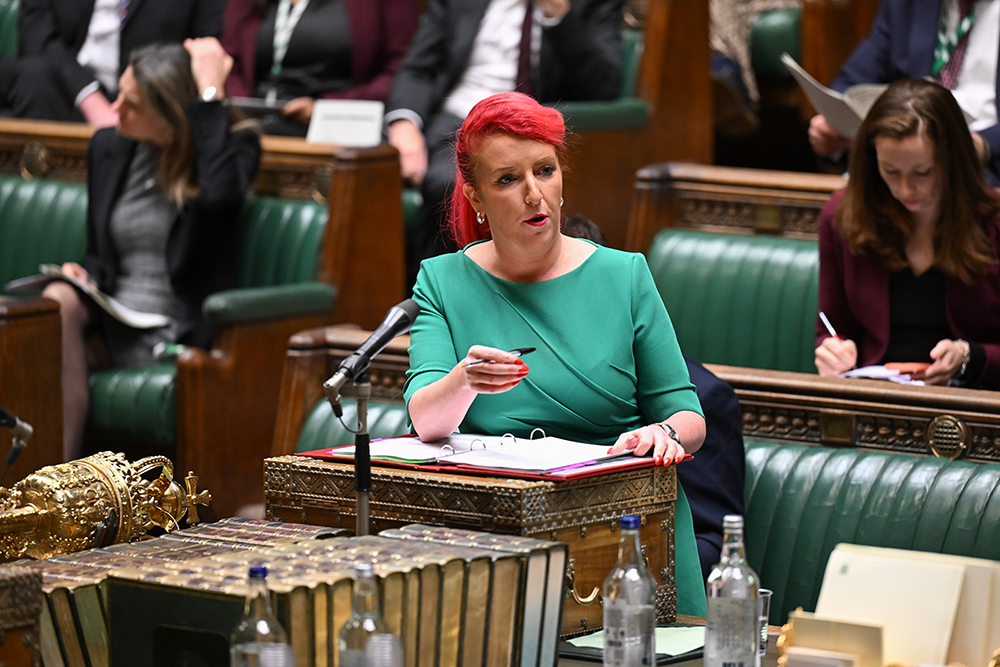
- The Monetary Policy Committee (MPC) voted 8-1 for the hike, with Catherine Mann advocating for a larger increase of 50 basis points to 4.25%.
- Bank officials project that U.K. inflation will rise to about 5% by mid-2027, primarily driven by energy prices.
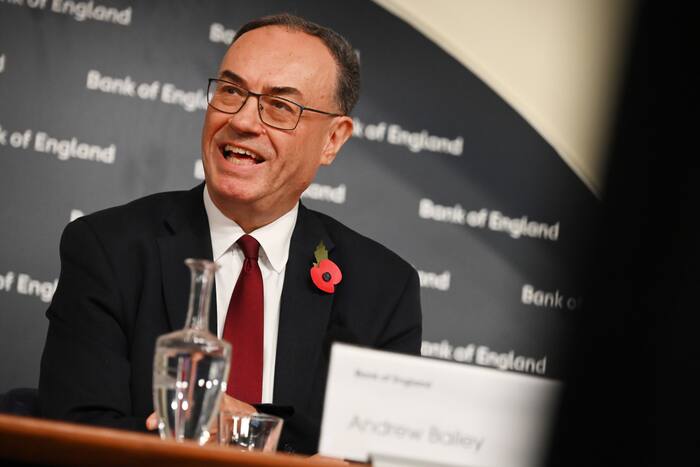
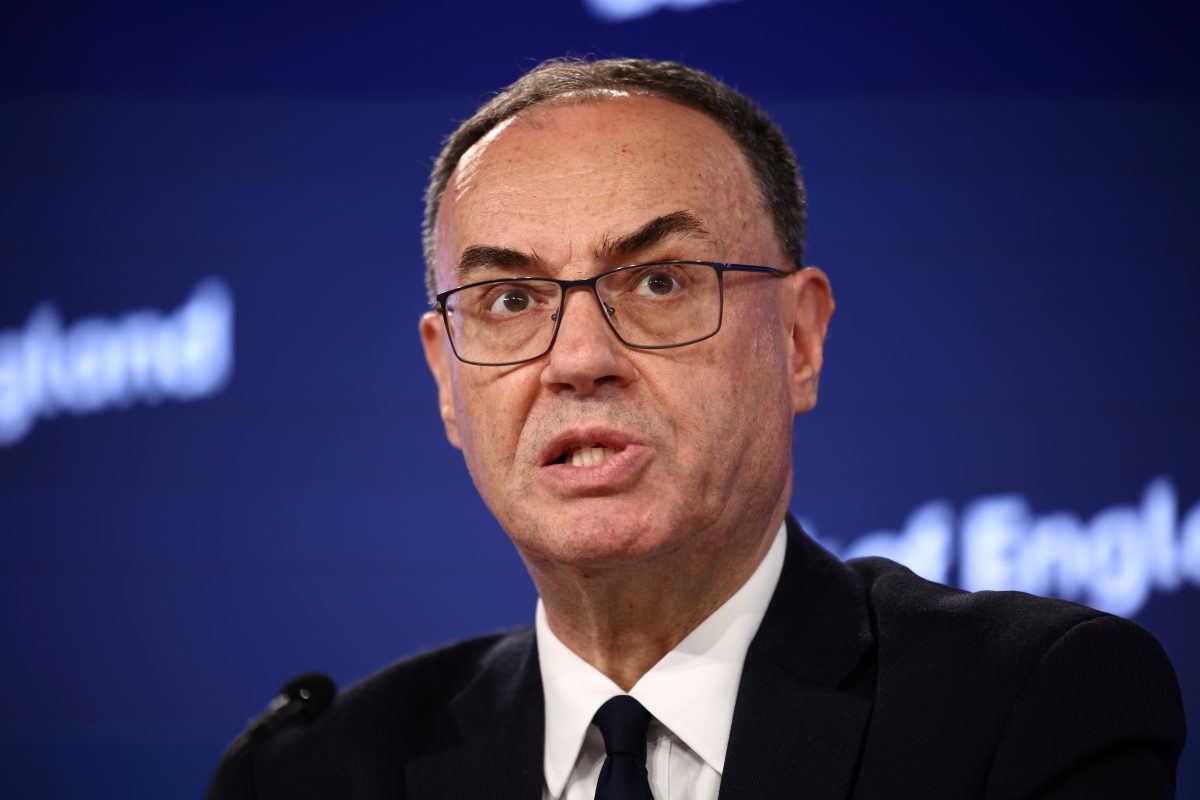
- Governor Andrew Bailey indicated that further rate hikes are unlikely unless the Iran conflict is resolved.
- The rate hike has led to an immediate increase in variable mortgage repayments, with average fixed mortgage deals now around 6%.
- The Bank of England has raised interest rates for the first time in more than three years as it warned that inflation is set to soar to around 5%.
- The MPC stated that the increase in borrowing costs aims to combat the rising cost-of-living for British households and businesses.
- The Bank's report indicated that higher energy costs could further impact supply chains by next year, as some firms see their hedged energy prices unwind.
- The projected rise in the cost of living is primarily driven by higher energy prices, linked to the intensification of the conflict in the Middle East.

The Bank of England's Monetary Policy Committee (MPC) raised the base rate by 0.25 percentage points to 4%, the first increase since August 2023. This decision comes as inflation is projected to rise to around 5% by mid-2027, driven by escalating energy prices linked to the ongoing Iran conflict.123458
Governor Andrew Bailey emphasized that the hike was necessary due to inflationary pressures from rising energy costs, stating, "There is now enough inflationary pressure in the pipeline caused by the rise in energy prices that an increase in Bank rate is warranted." He warned that unless the conflict is resolved, further hikes are likely.

The MPC's decision was supported by an 8-1 vote, with one member advocating for a larger increase of 0.5 percentage points. The hike is expected to impact millions of homeowners, particularly those transitioning from fixed-rate mortgages, as the average two-year fixed mortgage rate now hovers around 5.97%.

The Bank's inflation forecast has been sharply revised due to recent spikes in energy prices, with expectations that household energy bills could rise significantly. Chancellor John Healey noted the financial strain on families, stating, "The Iran conflict is reaching deep into the pockets of families and businesses here at home."
Despite these challenges, the Bank reported that the UK economy is more resilient than previously thought, projecting a growth rate of 1.6% for the year, up from an earlier forecast of 1.1%.
“The MPC voted 8–1 for the quarter-point hike, with Catherine Mann preferring a 50 basis point rise to 4.25%. Homeowners on variable deals face immediate repayment increases, while average two-year fixed mortgage rates hover near 6%.”

 CNBC