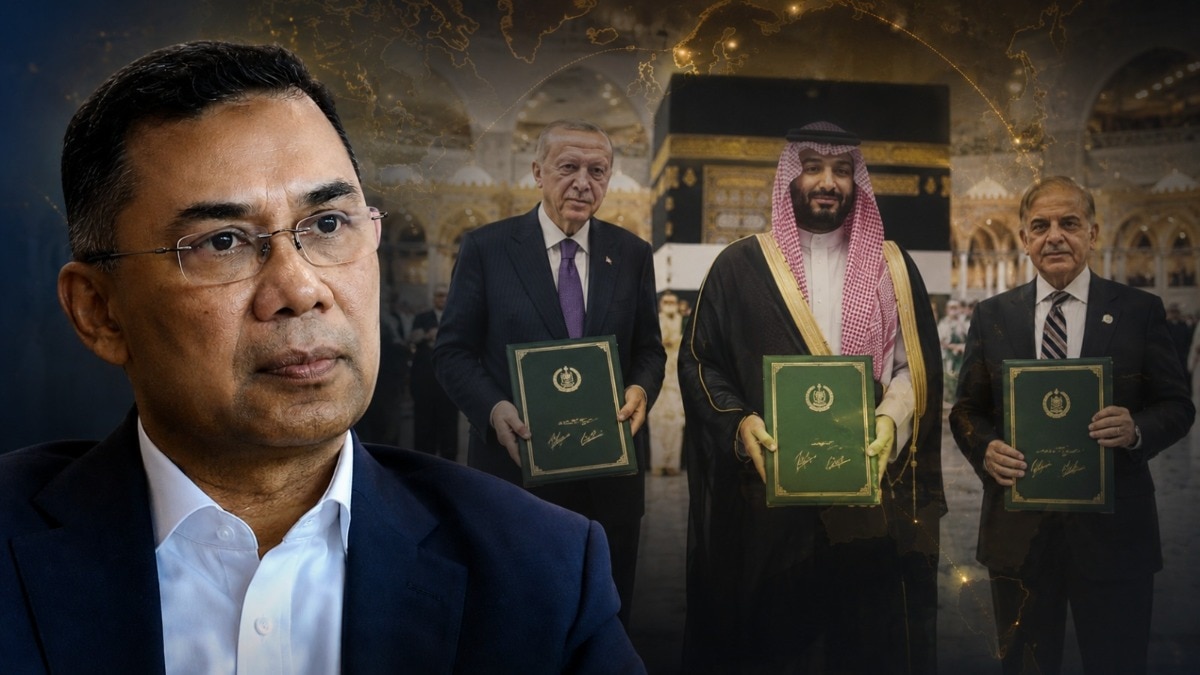
- Saudi Arabia, Turkey, and Pakistan signed the Mecca Joint Defence Agreement amid the US-Iran conflict, which aims to strengthen collective security in the region.
- Bangladesh's reported interest in joining the Mecca Joint Defence Agreement has emerged, leading to internal pressure and questions regarding its implications.
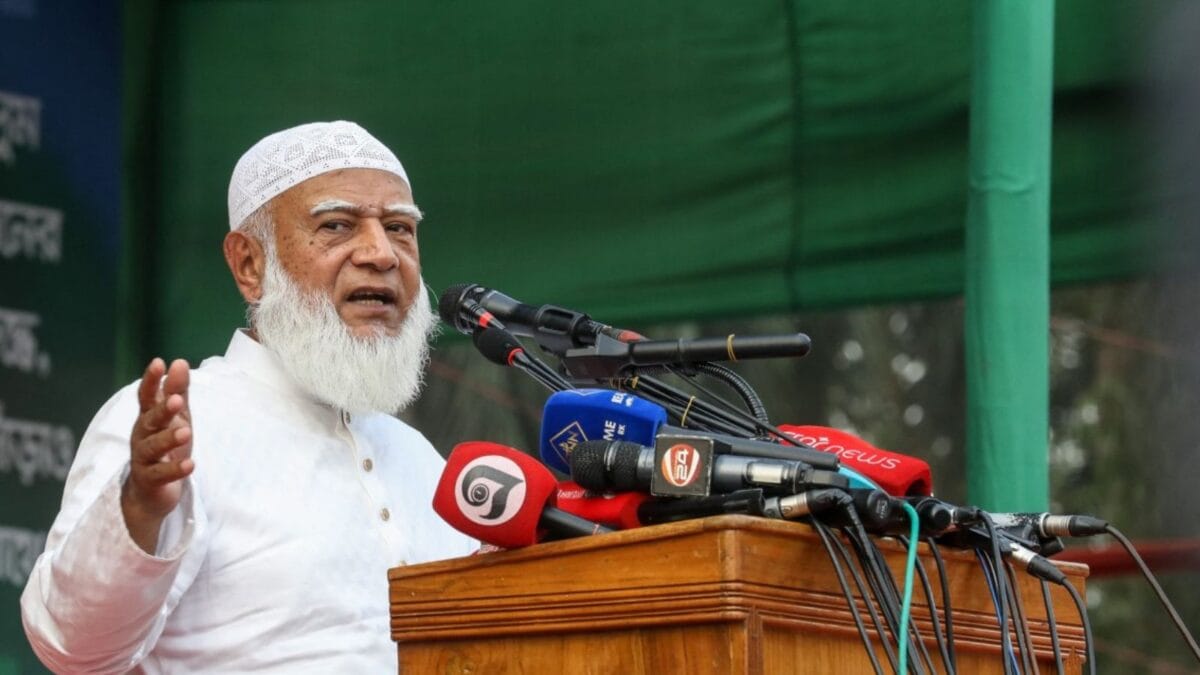
- Shafiqur Rahman, leader of Jamaat-e-Islami, emphasized that joining the pact is a sovereign matter for Bangladesh and reassured India not to be disturbed by the decision.
- Humayun Kabir, Bangladesh's state minister for foreign affairs, stated that the country has been receiving invitations from West Asia and the Muslim world, indicating a potential shift in foreign relations.
- The Mecca Joint Defence Agreement is seen as a response to the ongoing conflict between the United States and Iran, with implications for regional security.
- Bangladesh's potential alignment with this security arrangement could affect its longstanding relationship with India, given Pakistan's involvement in the pact.
- Historically, Bangladesh and India have maintained close security and economic links, particularly since India's role in the 1971 Liberation War.
- Bangladesh is formally a secular republic, yet over 90% of its population is Sunni Muslim, which complicates its foreign policy decisions.
Bangladesh is under increasing scrutiny regarding its potential participation in the Mecca Joint Defence Agreement, a pact involving Saudi Arabia, Turkey, and Pakistan.126
Shafiqur Rahman, leader of the Jamaat-e-Islami party, emphasized that any decision to join the pact is a sovereign matter for Bangladesh.34
He stated, “If Bangladesh takes any decision considering the needs and interests of the country and its people, there is no reason for anyone else to feel disturbed or distressed by it,” highlighting the internal nature of the decision.
Humayun Kabir, Bangladesh's state minister for foreign affairs, noted that the country has received invitations from various nations in the Muslim world.5
He remarked, “The partners in West Asia (Middle East), the partners in the Muslim world around the globe are now inviting the leadership of Bangladesh, especially the leadership of Prime Minister Tarique Rahman, to be with them in many places.”
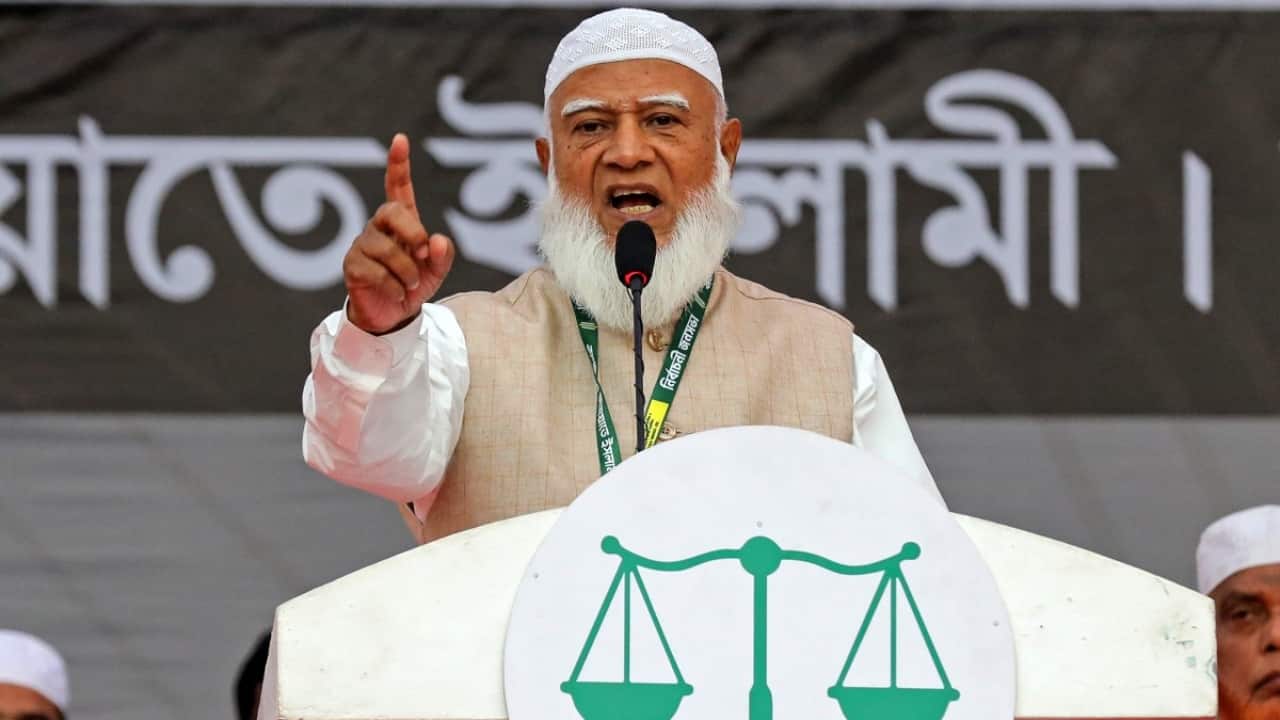
The Mecca Pact, signed amid escalating tensions between the U.S. and Iran, aims to strengthen collective security among its members, with Pakistan's foreign ministry stating that an attack on one member would be considered an attack on all.
Bangladesh's interest in the pact raises concerns for India, given its historical ties with Dhaka and the implications of a security arrangement that includes Pakistan.
As Bangladesh weighs its options, it must balance its relationships with the Muslim world against its longstanding ties with India, which played a crucial role in its independence.
Any decision will have significant economic and strategic consequences for the region.
“Shafiqur Rahman, Leader of the Opposition, called the decision 'entirely sovereign and internal,' while state minister Humayun Kabir said West Asian partners are inviting Prime Minister Tarique Rahman's leadership. The pact, signed by Saudi Arabia, Turkey, and Pakistan, treats an attack on one as an attack on all.”
 News18