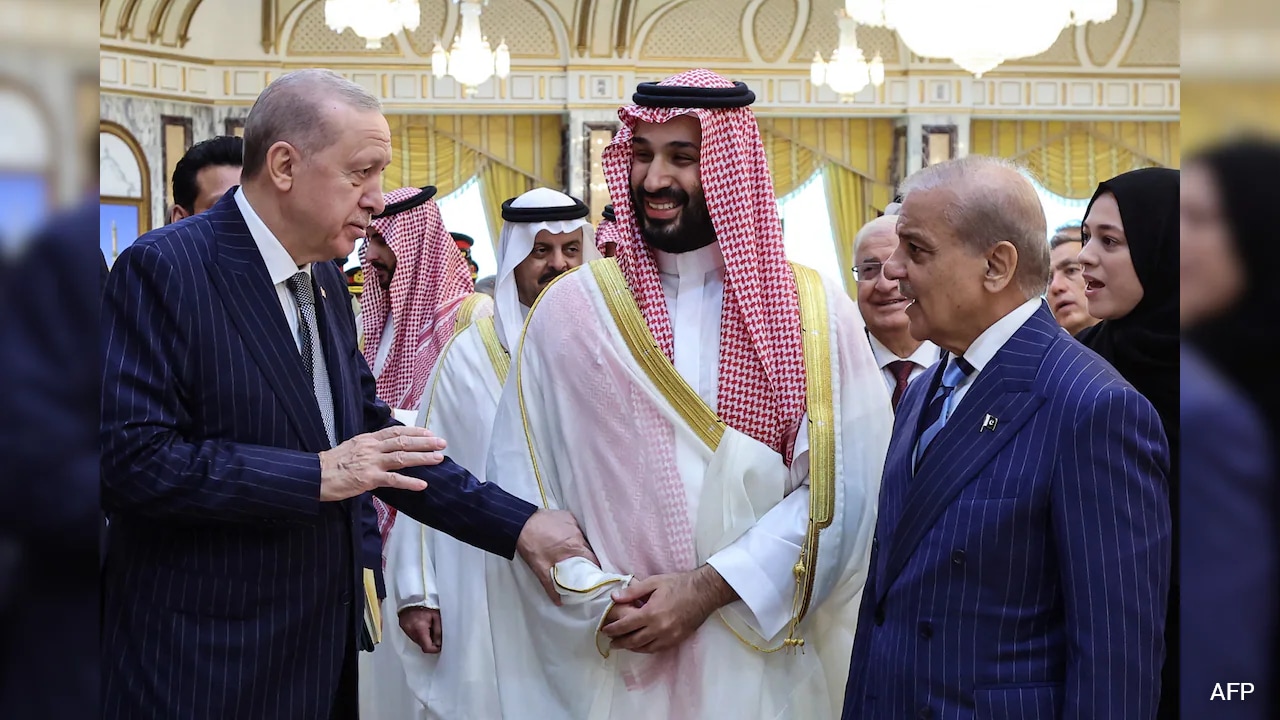
- Saudi Arabia, Pakistan, and Turkey signed the Mecca Pact on August 7, which is modelled on NATO's collective-defence principle.
- Bangladesh's junior foreign minister Humayun Kabir stated that Bangladesh could consider joining the pact, viewing it positively.
- Saudi Arabia has invited Bangladesh's leadership, including PM Tarique Rahman, to participate in the pact.
- While Bangladesh has not made a decision yet, two junior foreign-affairs ministers have indicated that Dhaka could consider joining the pact.
- Analysts suggest that joining the Mecca Pact would test Bangladesh's long-standing policy of avoiding rival geopolitical camps and could complicate ties with India and others.
- The Mecca Pact is a defence agreement that pledges that an armed attack on one member would be treated as an attack on all, amid heightened regional tensions.
- Turkey, which has NATO's second-largest army, has stated that the pact with nuclear-armed Pakistan and top oil exporter Saudi Arabia is open to expansion.
- Joining the Mecca Pact could complicate Bangladesh's ties not only with India but also with China, Iran, Japan, Kuwait, Oman, Qatar, Russia, the United Arab Emirates, and the United States.
- The invitation to join the Mecca Pact comes at a delicate moment in Bangladesh's relations with India under Rahman's government.
- India is closely monitoring developments regarding Bangladesh's potential membership in the Mecca Pact, as it could be interpreted negatively by many in India.
Bangladesh is contemplating joining the Mecca Pact, a defense agreement signed by Saudi Arabia, Turkey, and Pakistan, which could significantly impact its foreign relations, especially with India. The pact, established in August, operates on a collective defense principle similar to NATO, where an attack on one member is considered an attack on all.135710
Junior Foreign Minister Humayun Kabir stated, "If there is a security arrangement among Islamic nations in the Middle East, it is not unusual for us to consider participating. It is being viewed positively." This invitation from Saudi Arabia comes at a sensitive time for Bangladesh's relations with India, as both nations strive to maintain cordial ties under Prime Minister Tarique Rahman's government.2
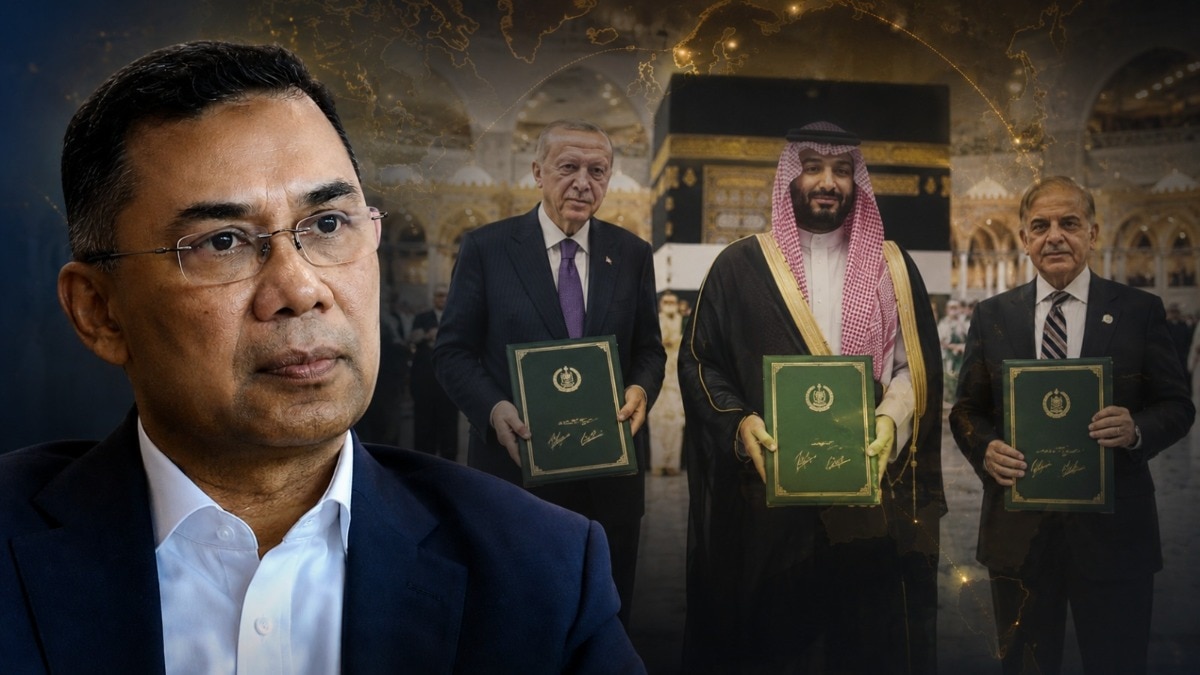
Analysts warn that joining the pact could complicate Bangladesh's long-standing foreign policy of neutrality, which has been crucial for attracting investment and maintaining economic ties with various global powers. Kollol Kibria, a geopolitical analyst, noted that formal membership could strain relations not only with India but also with China, Iran, and the United States.8
The decision will hinge on the benefits offered by the pact and how much strategic autonomy Bangladesh is willing to sacrifice. Shama Obaed Islam, another State Minister for Foreign Affairs, emphasized that any decision would prioritize the interests of the Bangladeshi people. As the situation evolves, Bangladesh's potential entry into the Mecca Pact remains a critical point of discussion in regional geopolitics.
“The pact, modelled on NATO's collective-defence principle, pledges that an armed attack on one member is treated as an attack on all. Bangladesh's junior foreign minister Humayun Kabir said the invitation is being viewed positively, but analysts warn joining could complicate ties with India, China, and others.”