- Baloch nationalists mark August 11 as 'Independence Day', recalling the Khanate of Kalat's brief sovereignty after the 1947 Standstill Agreement, before its 1948 accession to Pakistan.
- On August 11, 1947, representatives of the British government, the Khan of Kalat, and the future government of Pakistan signed the Standstill Agreement.
- Following the agreement, the Khan of Kalat announced independence and established a bicameral legislature consisting of a House of Commons and a House of Lords.
- In December 1947, the Kalat legislature reportedly rejected a proposal to join Pakistan, according to Baloch nationalist accounts.
- On March 27, 1948, Pakistani forces entered Kalat, after which the Khan of Kalat signed the Instrument of Accession, bringing the region under Pakistan's control.
- The self-proclaimed Republic of Balochistan has declared August 11 as its 'Independence Day', days before Pakistan's August 14 Independence Day.
- Every year, Baloch nationalist groups and activists observe August 11; some separatist groups observe August 14 as a 'Black Day'.
- The Khanate of Kalat, ruled by Mir Ahmad Yar Khan, maintained that it had a distinct status from other princely states and was not directly part of British India.
- Baloch nationalists argue that Kalat had its own sovereignty and had separate agreements with the British Crown.
- Baloch nationalist groups interpret the Standstill Agreement as recognition of Kalat’s separate status and sovereignty before the formation of Pakistan.
- Baloch nationalist groups describe the move to join Pakistan as a forced annexation and argue that the region’s sovereignty was taken away.
- Pakistan, however, maintains that Balochistan legally became part of the country through the accession process and rejects claims that the region was illegally occupied.
Baloch nationalists observe August 11 as 'Independence Day', commemorating the Khanate of Kalat's brief sovereignty in 1947. This date marks the signing of the Standstill Agreement between the British government, the Khan of Kalat, and Pakistan, which Baloch groups interpret as recognition of Kalat's separate status.12389
In 1947, the Khanate, ruled by Mir Ahmad Yar Khan, maintained a distinct constitutional relationship with the British Crown, asserting its sovereignty. Following the agreement, the Khan announced independence and established a bicameral legislature. However, in December 1947, the Kalat legislature rejected a proposal to join Pakistan.4
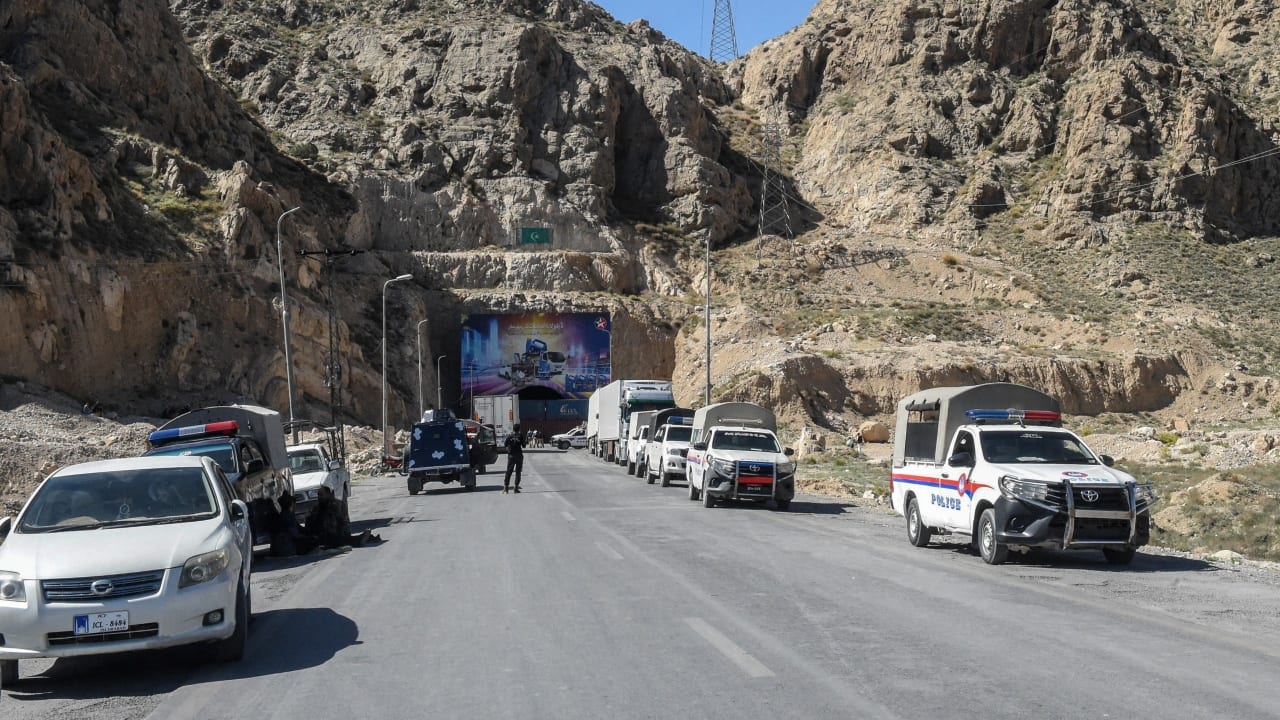
On March 27, 1948, Pakistani forces entered Kalat, leading to the Khan's signing of the Instrument of Accession, which Baloch nationalists describe as a forced annexation. Pakistan, however, claims the accession was legal, rejecting allegations of illegal occupation.511
Every year, Baloch activists and the diaspora commemorate this day by raising the Baloch flag and demanding greater autonomy or independence. The date is significant as it precedes Pakistan's Independence Day on August 14, which some Baloch groups observe as a Black Day to protest against Pakistan's control over Balochistan. The historical debate surrounding August 11 continues to fuel the Baloch nationalist movement, emphasizing their claim to a separate political identity.
“Pakistan maintains the 1948 accession was legal, while Baloch nationalists describe it as a forced annexation. The self-proclaimed Republic of Balochistan has appealed for international recognition of August 11, and some separatist groups observe August 14 as a 'Black Day'.”
 News18



