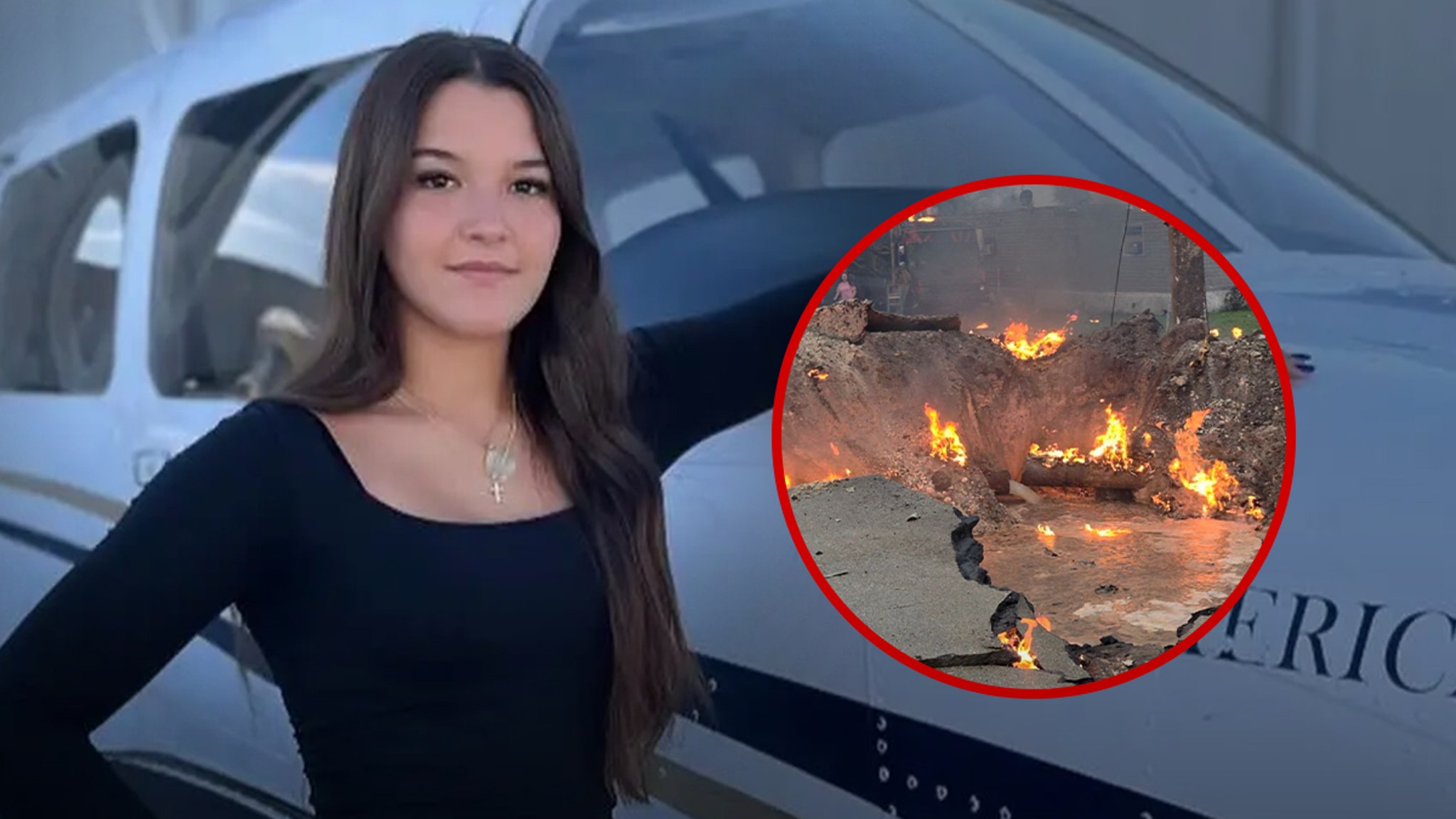
- The plane experienced an incredibly fast descent and crashed, with aviation attorney Zachary Gorwitz noting it was nosediving at over 600 miles per hour.
- Bombardier, which owns the Learjet brand, expressed sadness over the event and stated it would fully support investigating authorities.
- Gorwitz suggested the fatal nosedive may have been due to an icing issue rather than engine failure, as it is uncommon for a plane to fall so quickly mid-flight.
- Gorwitz contrasted the descent with engine failure scenarios: an engine issue typically causes a more gradual descent, and he stressed that there was no gliding here.
- The plane's nosedive at over 600 miles per hour explains the lack of surface debris due to the incredible force of the impact.
- Gorwitz noted the visible fireball from the crash indicated a large amount of burning jet fuel.
A Palm Beach plane's descent was alarmingly rapid, dropping 7 miles in just 60 seconds, raising suspicions of icing issues rather than engine failure.3
Attorney Zachary Gorwitz analyzed the audio between the pilot and air traffic control, noting the pilot reported icing and turbulence before the crash.
Gorwitz stated, “When there’s an issue with a plane engine, there is a more gradual descent... there was no gliding here.”4
The plane was reportedly nosediving at over 600 miles per hour, leading to minimal debris at the crash site due to the force of the impact. “You can see from the video the size of the fireball,” Gorwitz added, emphasizing the significant amount of burning jet fuel.16
Bombardier expressed condolences, stating, “We cannot comment on the potential cause of this accident until the investigation is complete, and we will fully support the investigating authorities and cooperate as needed.”2
“The plane was nosediving at over 600 mph, which explains the lack of surface debris due to the impact's force. Aviation attorney Zachary Gorwitz, of Podhurst Orseck, noted the visible fireball indicated a large amount of burning jet fuel.”