- Findings from an international team led by McGill University were announced on Nov. 3, detailing a bacteria-powered biocomputer that can solve complex problems by exploring many solutions in parallel.
- The biocomputer demonstrated its capabilities by solving test problems, including the Subset Sum Problem, which becomes exponentially harder as the number of inputs grows.
- Twenty years of collaboration among researchers from Canada, Europe, the UK, and Australia culminated in this innovative study, which was published in Nature earlier this year.
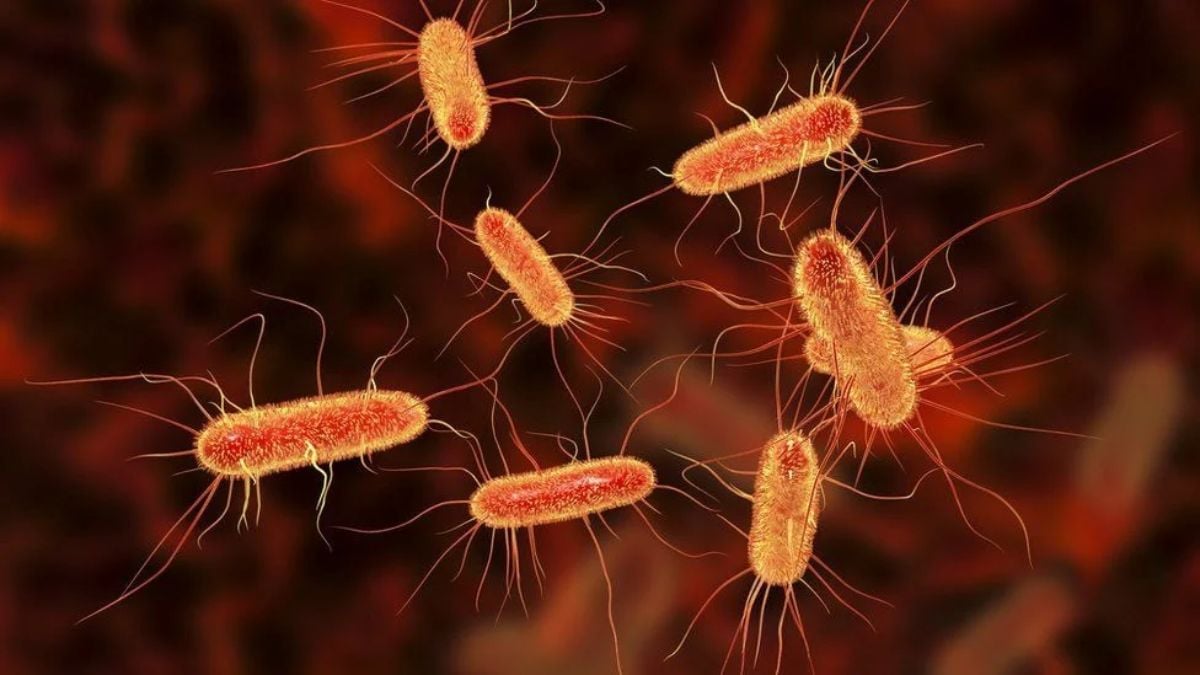
- The biocomputer utilizes E. coli and V. natriegens, with the latter being particularly useful due to its rapid reproduction rate, allowing for increased computing power as problems become more complex.
- Traditional computers can take centuries to solve certain versions of complex problems, while the bacteria-powered system can examine many solutions simultaneously, despite being slower than digital processors.
- Dan Nicolau, the study's senior author, emphasized that this biocomputing technology requires no RAM, potentially addressing the global RAM shortage.
An international team of researchers has developed a groundbreaking biocomputer that utilizes bacteria to solve complex computational problems. This innovative system, led by McGill University, combines biology, computer science, and engineering, and operates without the need for RAM, unlike traditional sequential computers.24
The biocomputer employs Escherichia coli and Vibrio natriegens, the latter known for its rapid reproduction. As these bacteria navigate through a network of microscopic channels designed to encode mathematical problems, they explore multiple routes simultaneously, effectively increasing computational power as the complexity of the problem grows. “With bacterial division, we have 1 million chips working at the same time,” said Dan Nicolau, the study's senior author.6
The researchers translated the Subset Sum Problem into a graph of possible combinations, allowing the bacteria to move through various paths while automated image analysis tracked their movements. Traditional computers can take centuries to solve such problems, but this biocomputer can examine many solutions in parallel, making it potentially more efficient.5
While the current system remains a proof of concept, the researchers believe it could eventually address challenges in fields like cryptography and molecular biology. “(The biocomputer) must be huge!” Nicolau remarked, highlighting the scale needed for practical applications.
The findings were published in *Microsystems & Nanoengineering* and represent a culmination of 20 years of collaborative research across Canada, Europe, the UK, and Australia.1
“The system uses E. coli and fast-reproducing V. natriegens, with bacteria dividing to create millions of processing units. Nicolau notes it could help address the global RAM shortage, though current work remains a proof of concept for cryptography and molecular biology.”





