- Election results showed that neither Gadi Eisenkot's change bloc, which secured 48 seats, nor Benjamin Netanyahu's camp, which won 53 seats, achieved a majority in the Knesset.
- Arab-majority lists made a significant impact by winning a record 19 seats in the 120-member parliament.
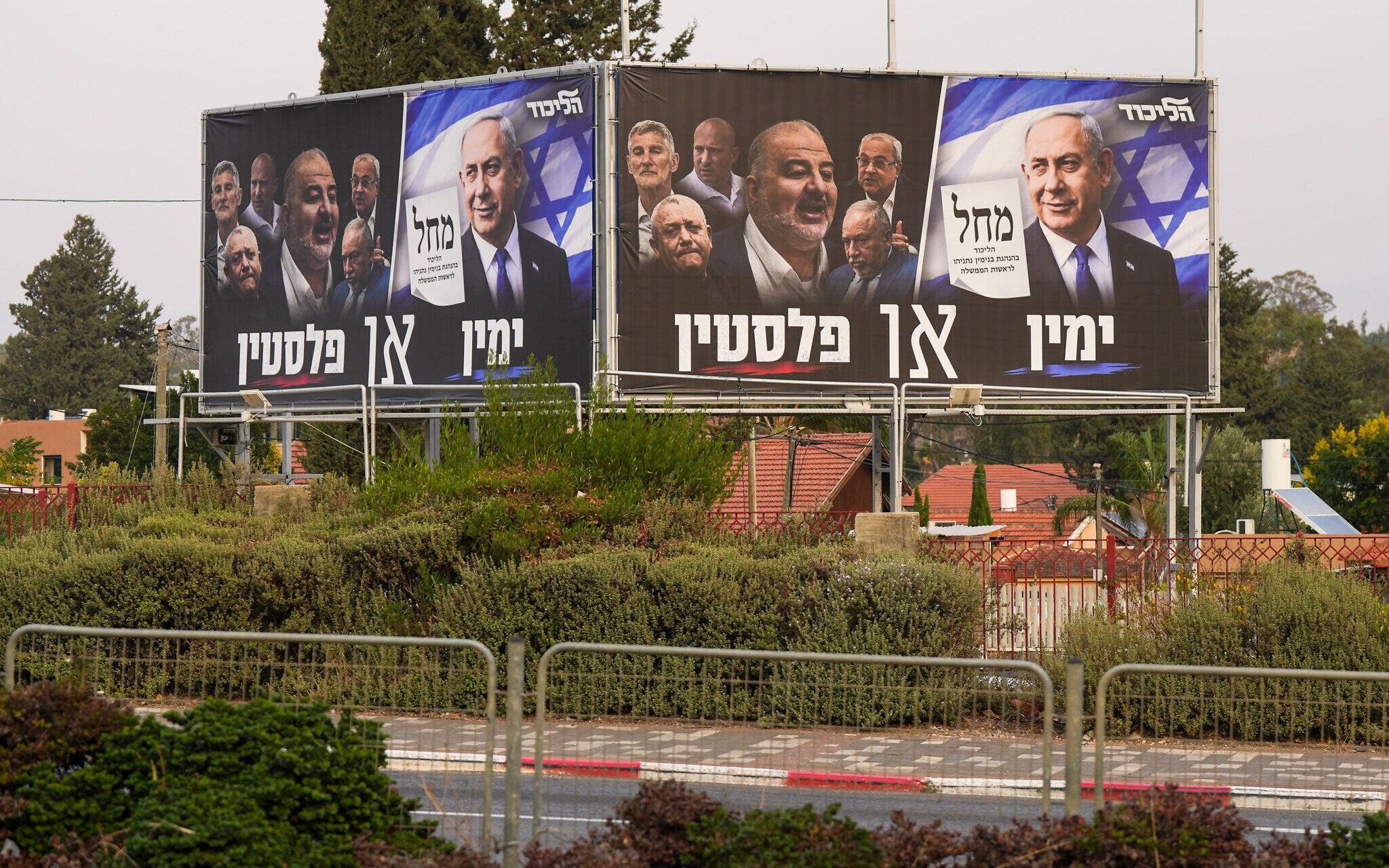
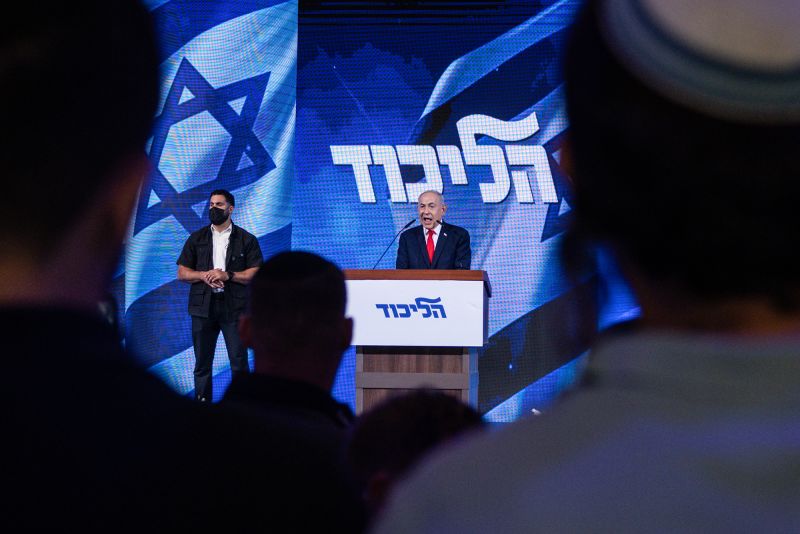
- Netanyahu has called for a broad national government that excludes Arab parties, asserting that his party is the largest and should lead the next coalition.
- All opposition party leaders have endorsed Eisenkot for prime minister, indicating a united front against Netanyahu.
- Opposition leaders convened in Herzliya to discuss and coordinate their next steps following the election results.
- Former Prime Minister Naftali Bennett has pledged full support for Eisenkot, emphasizing the need for urgent action to form a government.
- The President will begin consultations with party representatives starting Wednesday to determine who will receive the mandate to form a government.
- Netanyahu has stated that a clear majority of the Jewish public chose Likud as the largest party and selected him as prime minister to lead the next government.
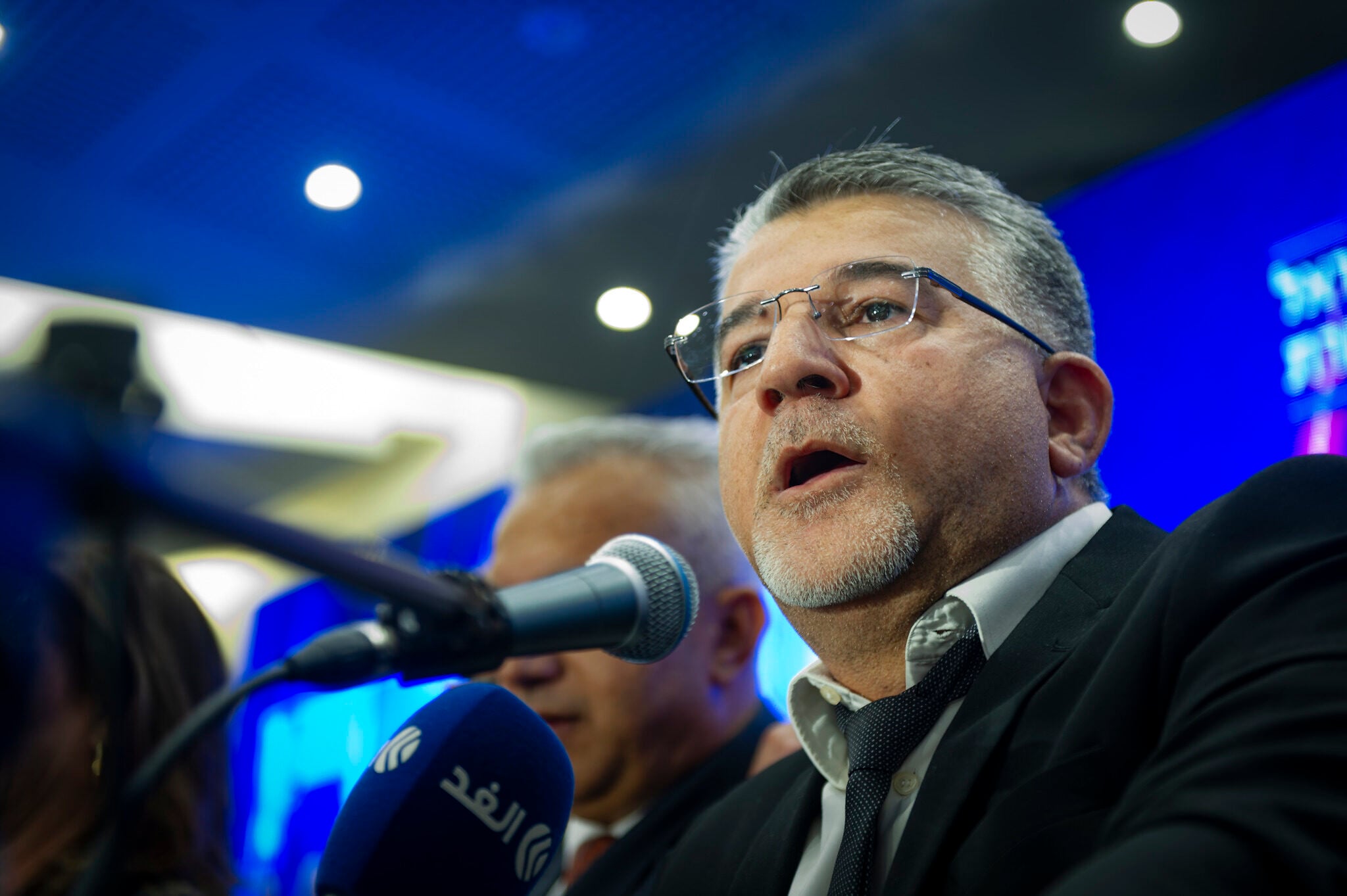
- The Arab parties have hinted at the possibility of endorsing Eisenkot, although this remains a contentious issue within the opposition.
- The presidential process allows the chosen candidate 28 days to form a coalition, extendable by 14 days, with the possibility of new elections if unsuccessful.
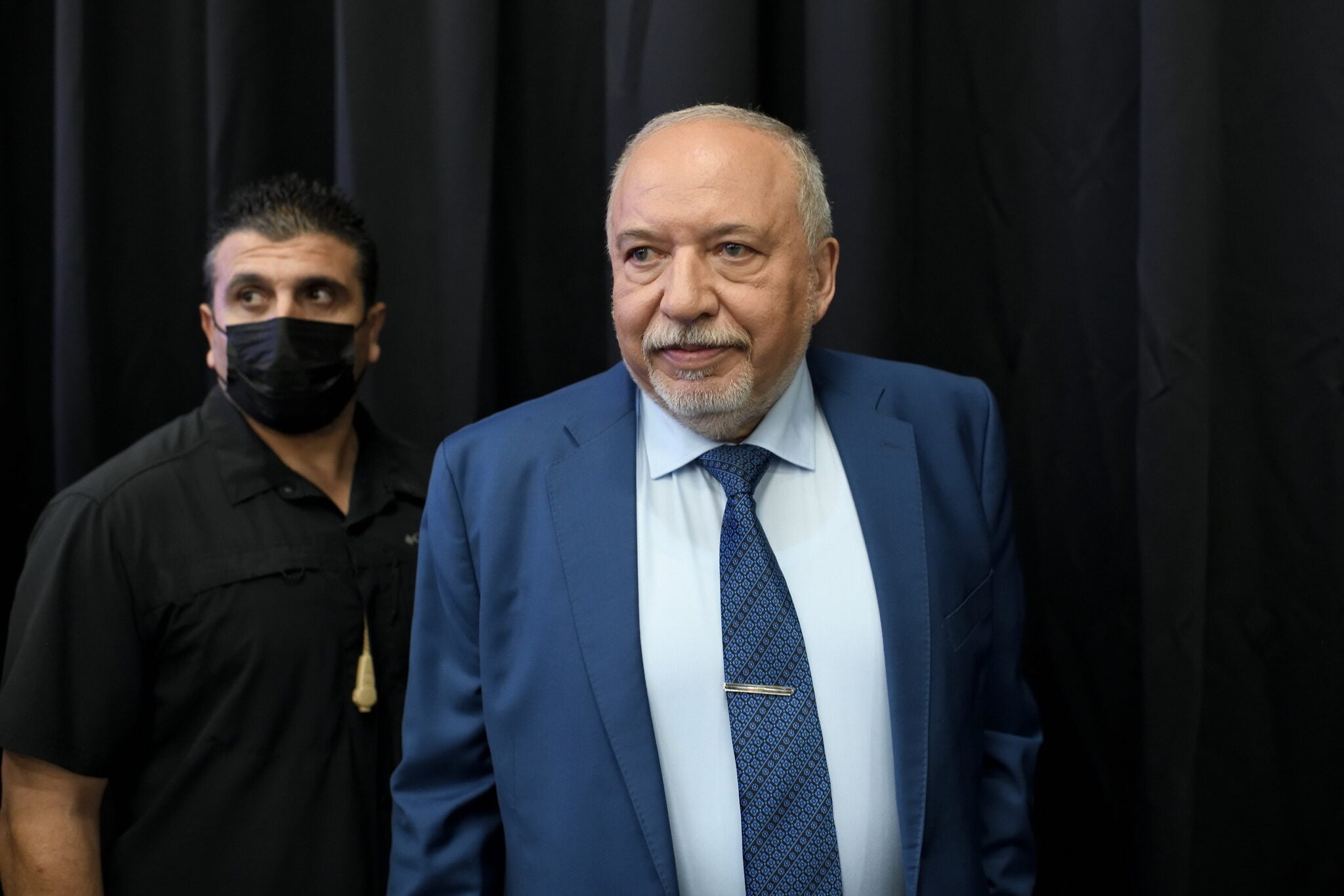
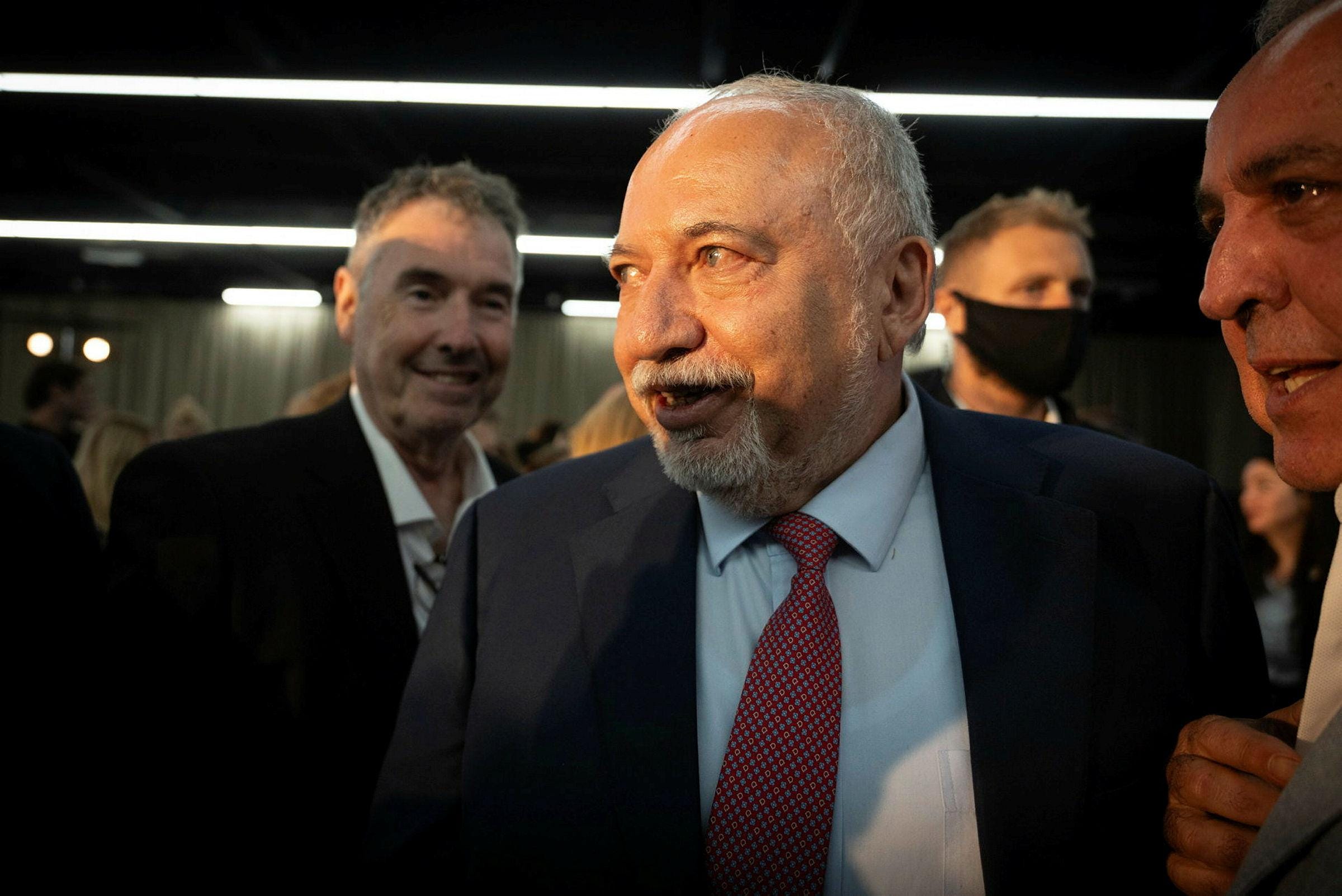
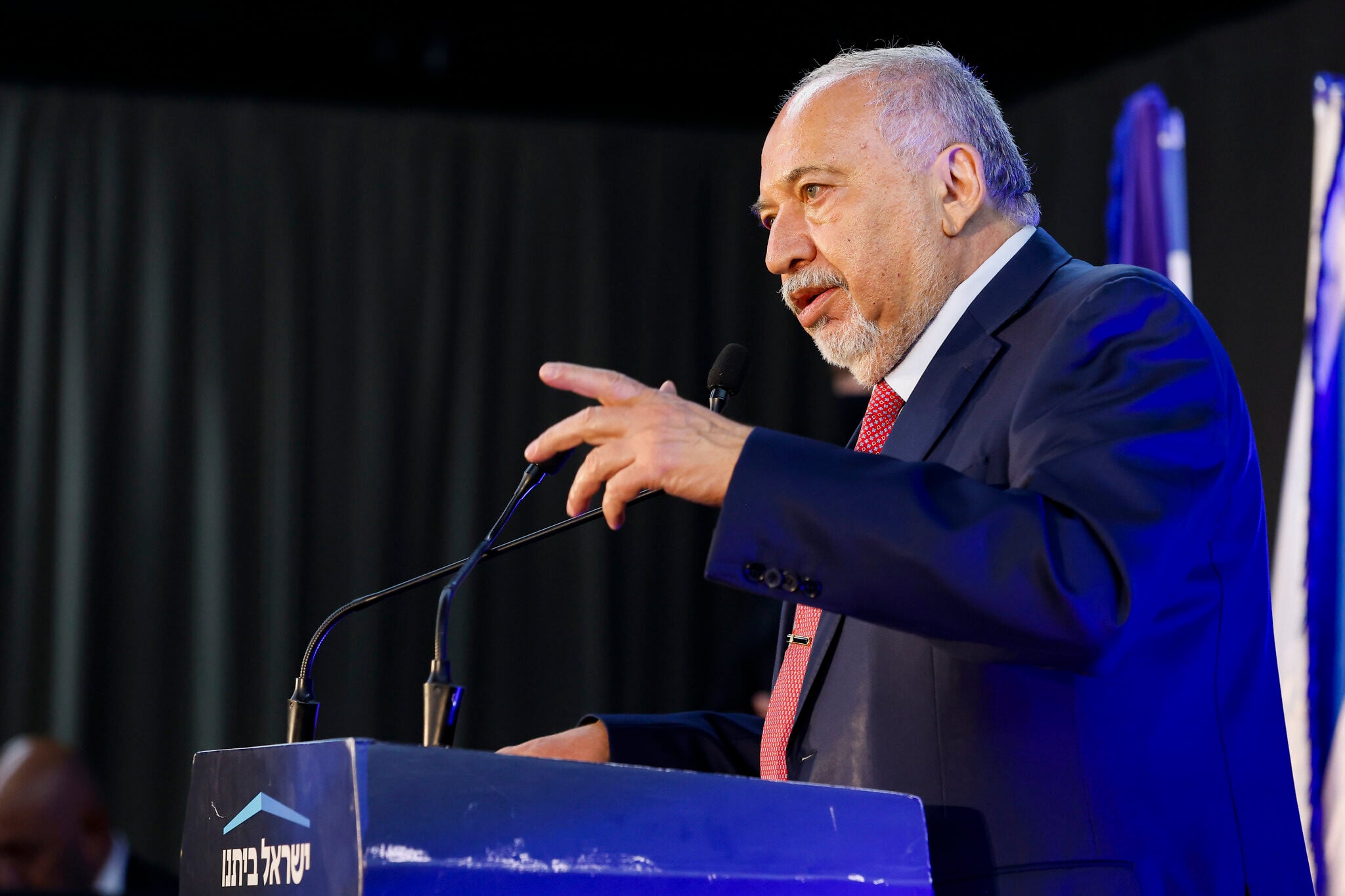
Avigdor Liberman has officially recommended Gadi Eisenkot to form the next Israeli government, as the opposition consolidates support following a tightly contested election. Eisenkot's bloc, which includes various parties, secured 48 seats in the Knesset, while Netanyahu's coalition garnered 53 seats.
Eisenkot's camp is now faced with the challenge of whether to include the Arab parties, which made significant gains by winning a record 19 seats. Despite differing views, leaders within Eisenkot's coalition have pledged their support for his leadership. Former Prime Minister Naftali Bennett emphasized the urgency of forming a government, stating, "The entire B’Yachad party will mobilize all its efforts to help Gadi Eisenkot form a government as soon as possible."69
In contrast, Netanyahu insists that he should lead the next coalition, arguing that a majority of the Jewish public chose him as prime minister. He has ruled out any coalition with Arab parties, claiming they "support terrorism and deny the existence of the Jewish state." The political landscape remains tense as the President prepares to hold consultations with party representatives, with a deadline for coalition formation looming.7
Eisenkot's party is expected to meet to discuss their next steps, as the political future of Israel hangs in the balance.
“Eisenkot's bloc won 48 Knesset seats to Netanyahu's 53, with Arab-majority lists securing a record 19 seats. Bennett urges swift action to replace Speaker Amir Ohana and form a 'Zionist government of national repair.'”