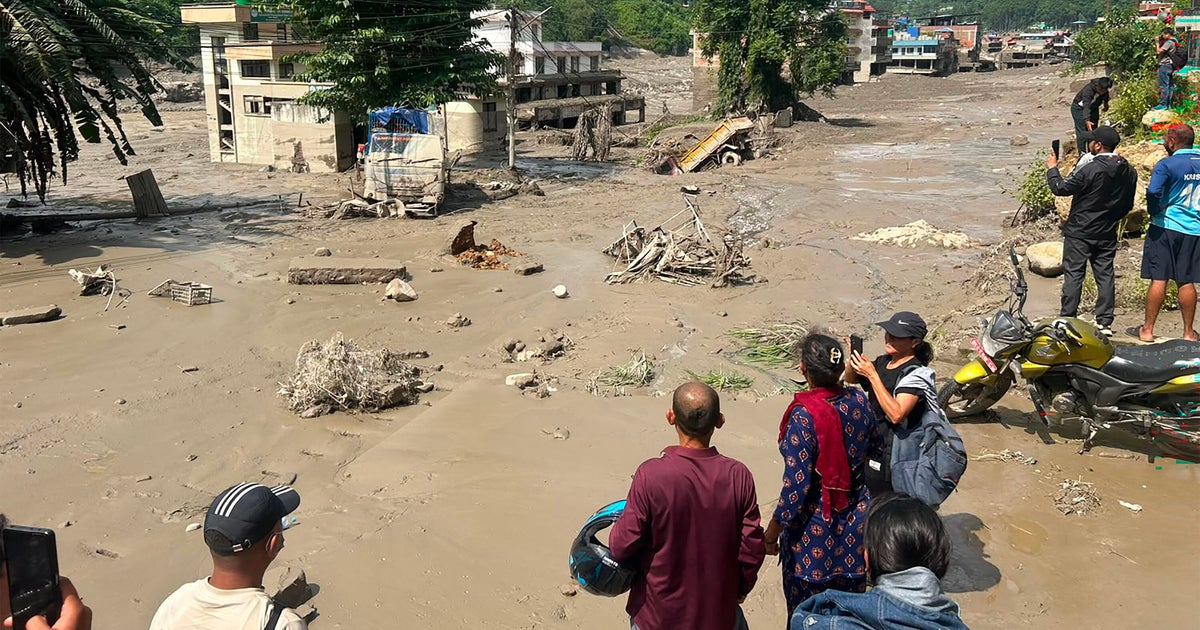
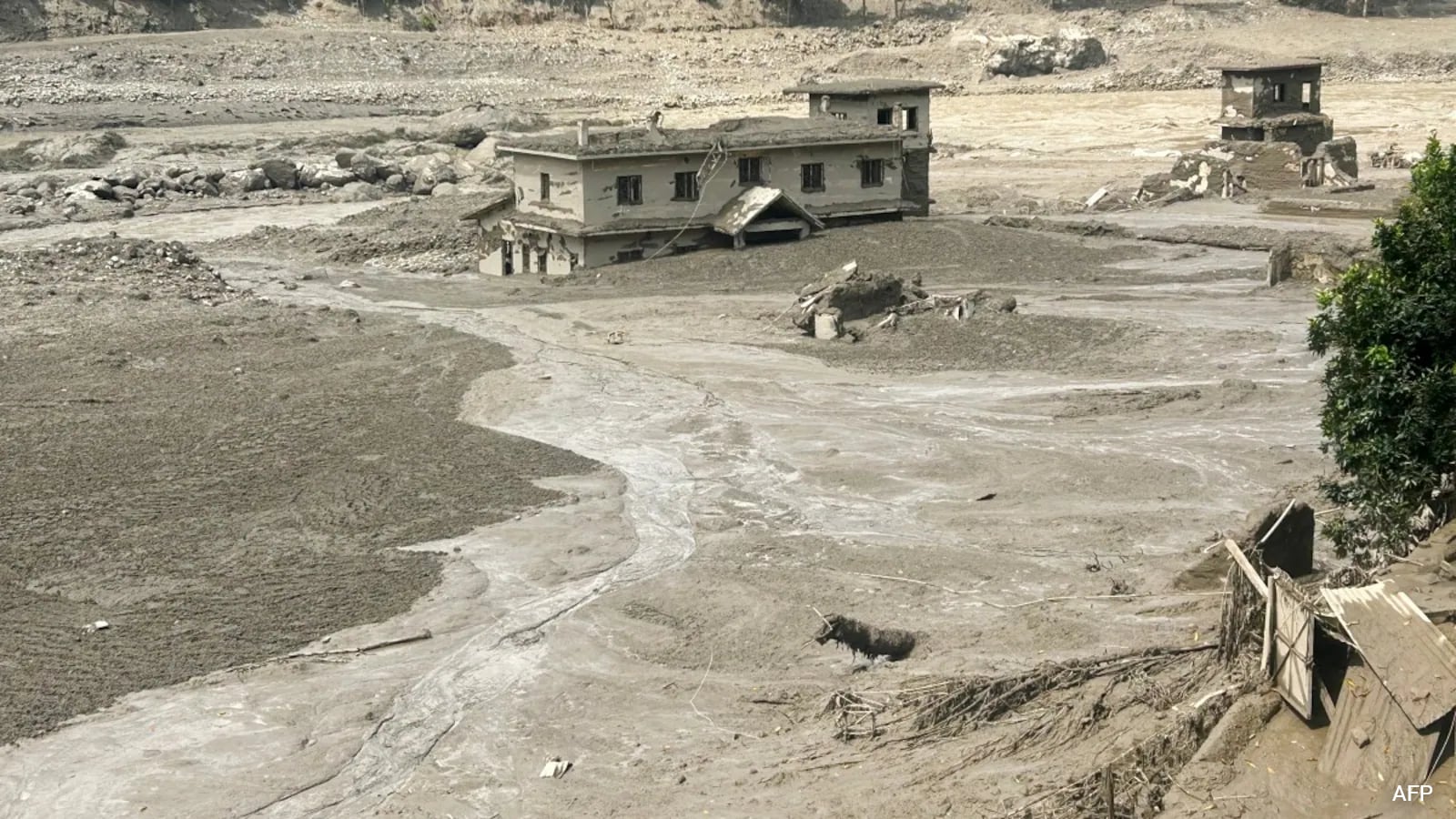
- At least 55 people have been killed and 400 more missing after a series of explosive swept through the Himalayan border area between the Nepalese and Tibetan border on Wednesday.
- Severe flooding was reported across the regions of Rasuwa, Nuwakot, Dhading, and Gorkha, north of the capital Kathmandu, with the majority along the Trishuli and Bhotekoshi rivers.
- Nepal’s Tourism Board reported 384 people missing, including 291 foreign nationals and 91 Nepali citizens. Among the missing, 105 are Indian, 12 are British, three are from the U.S., and an Australian was also reported missing.
- The U.S. embassy in Nepal issued a warning to U.S. citizens in Rasuwa, Nuwakot, Dhading, Gorkha, Chitwan, and Tanahun, urging them to “stay away from riverbanks and low-lying areas, seek higher ground, and follow local instructions.” The embassy added that it was working to account for Americans affected by the flooding.
- Nepali Prime Minister Balendra Shah met with local Members of Parliament (MPs) to discuss flood damage, settlements, and rescue work. His office stated, “The government has intensified the search and rescue operations by deploying security forces in the flood affected areas.”
- Nepal’s Minister for Foreign Affairs Shisir Khanal reported that 79 security personnel remained unaccounted for, and that 13 helicopters from both the army and private sector were involved in rescue efforts.
- Police expect flooding to continue down the Bhotekoshi river into Dhading and Muglin, affecting the Prithvi highway connecting Kathmandu to Pokhara, which police later closed. Additionally, a mudslide near the Gyirong checkpoint on the Nepal-China border caused severe casualties, prompting Chinese President Xi Jinping to order “all-out efforts” for search and rescue.
- Nepali Police published details of 29 people confirmed with injuries, most from Nuwakot and Rasuwa, including a 3-month-old in stable condition. Video shows entire buildings swept away, and a bridge and multiple buildings on the Trishuli river destroyed.
Flash floods in Nepal's border regions with Tibet have resulted in at least 55 fatalities and left 400 individuals missing, including 291 foreign nationals and 91 Nepali citizens. The flooding primarily affected areas along the Trishuli and Bhotekoshi rivers.2345111213
The Nepali government has mobilized 13 helicopters and security forces to assist in ongoing rescue operations. Prime Minister Balendra Shah emphasized the urgency of the situation, stating, “The government has intensified the search and rescue operations by deploying security forces in the flood affected areas.” The U.S. embassy has also issued warnings to its citizens in the affected regions, advising them to “stay away from riverbanks and low-lying areas”.678910
Reports indicate that among the missing are 105 Indians, 12 British, and 3 Americans. The Nepali Police confirmed 29 injuries, including a 3-month-old infant in stable condition. Video footage shows devastating scenes of entire buildings swept away by the floodwaters.141516
Authorities are concerned that the flooding may continue to impact areas downstream, particularly in Dhading and Muglin. The situation remains critical as rescue efforts continue amidst the ongoing threat of further flooding.
“Nepal's Tourism Board reports 384 missing, including 291 foreign nationals, with 105 Indians and 12 Britons among them. The U.S. embassy warns citizens in six districts to avoid riverbanks, while Prime Minister Balendra Shah says security forces have intensified search and rescue operations.”