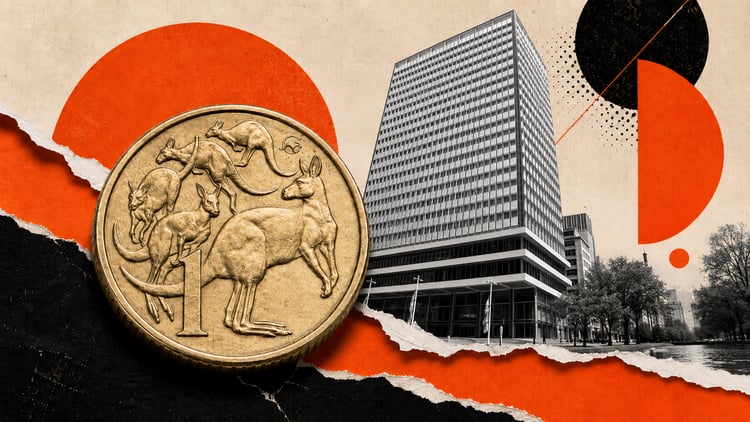
- Australia's central bank raised its benchmark cash rate by 25 basis points to 4.85% on Tuesday, the highest level since November 2008.
- This move marks the fifth rate increase this year, with a split vote: six members favored the hike, three opted to hold.
- The central bank expects inflation to remain elevated through much of 2027, not falling back to target until late 2027.
- Markets are wagering the RBA will be on hold in December after the split vote.
- Australia continues to grapple with high inflation, with the consumer price index rising 4.3% in September, up from 4% in August.
- The RBA's 125 basis points of tightening this year has more than reversed the 75 basis points of policy easing from 2025.
- The labour market has softened, hitting a five-year high of 4.7%, but the central bank still judges it to be a little tight and a source of inflationary pressures.

Australia's central bank raised its cash rate to 4.85%, the highest level since November 2008, in a split decision that reflects ongoing inflation concerns. This marks the fifth rate hike of the year, with six members voting for the increase and three preferring to hold.14
The RBA's decision aligns with expectations from economists, as inflation remains a pressing issue, with the consumer price index rising 4.3% in September, up from 4% in August. The central bank anticipates inflation will remain elevated through much of 2027, delaying its return to the target range of 2%-3% until late that year.6
The RBA noted that higher fuel and commodity prices, along with AI-related investments, are contributing to rising costs. RBA Governor Michele Bullock stated, “We’re seeing signs that upside risks to inflation are materializing,” indicating that further hikes may be necessary.
Despite the tightening, Australia's GDP growth has slowed to 2.1% in the June quarter, down from 2.5% in March. The labor market has softened, with unemployment reaching a five-year high of 4.7%, yet the RBA still views it as a source of inflationary pressure. Analysts suggest the RBA may pause further hikes as it assesses incoming data, with markets anticipating a hold in December.58
The RBA's tightening this year has reversed previous easing, positioning Australia at the hawkish end of developed market central banks. “The challenge for the RBA is that inflation remains sticky just as growth momentum is beginning to slow,” said Katherine Palmer from BlackRock Australia.
“The RBA's 125 basis points of tightening this year reversed the 75 basis points of easing from 2025, putting Australia at the hawkish end of developed market central banks. Inflation rose to 4.3% in September, with the bank expecting it to stay elevated through 2027.”
CNBC