
- Jenitar Na'amoana gave birth to rare identical quadruplets after an extremely high-risk pregnancy.
- The quadruplets, born prematurely at 28 weeks and four days, were delivered by caesarean section on July 14 at the Royal Brisbane and Women's Hospital.
- The babies are doing extremely well in the hospital's neonatal intensive care unit.
- Jenitar and her husband Jortham were 'taken by immense surprise' when they discovered they were expecting quadruplets.
- A fundraising campaign has been launched to help the family buy a larger vehicle, raising over A$37,000.
- Mrs Na'amoana was admitted to the hospital at 25 weeks due to her high-risk pregnancy.
- Dr Alexa Bendall, who cared for Mrs Na'amoana, estimated that identical quadruplets occur in around one in every 15 million pregnancies.
- The pregnancy was considered extremely high risk due to the fact that the babies shared the same placenta.
Jenitar Na'amoana, 34, gave birth to monozygotic quadruplets—Emily, Harriet, Alexa, and Catherine—after an extremely high-risk pregnancy. The babies were delivered via caesarean section at 28 weeks and four days at the Royal Brisbane and Women's Hospital and are currently thriving in the NICU.126
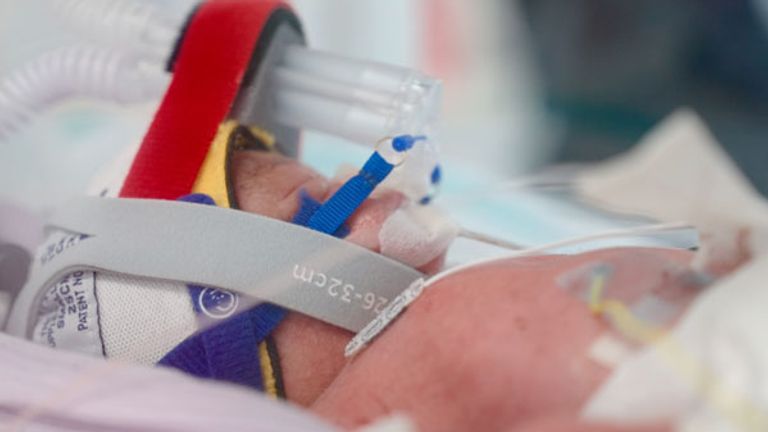
Dr. Alexa Bendall, who monitored Na'amoana throughout her pregnancy, noted that identical quadruplets occur in about one in every 15 million pregnancies. The pregnancy was classified as high-risk, leading to Na'amoana being admitted to the hospital at 25 weeks for close observation. “We always said that if we could get her to 28 weeks, we would be doing well,” Bendall stated, expressing joy at the outcome.7
Na'amoana and her husband Jortham, who already have four children aged between one and ten, were “taken by immense surprise” upon learning they were expecting quadruplets. To support their growing family, Na'amoana has launched an online fundraising campaign, which has raised over A$37,000 (£19,261). In her message, she expressed gratitude while acknowledging the challenges of caring for four newborns simultaneously: “Our four precious miracles have arrived safely, and while our hearts are overflowing with gratitude, the reality of caring for four newborns at once has brought challenges we never could have imagined.”5
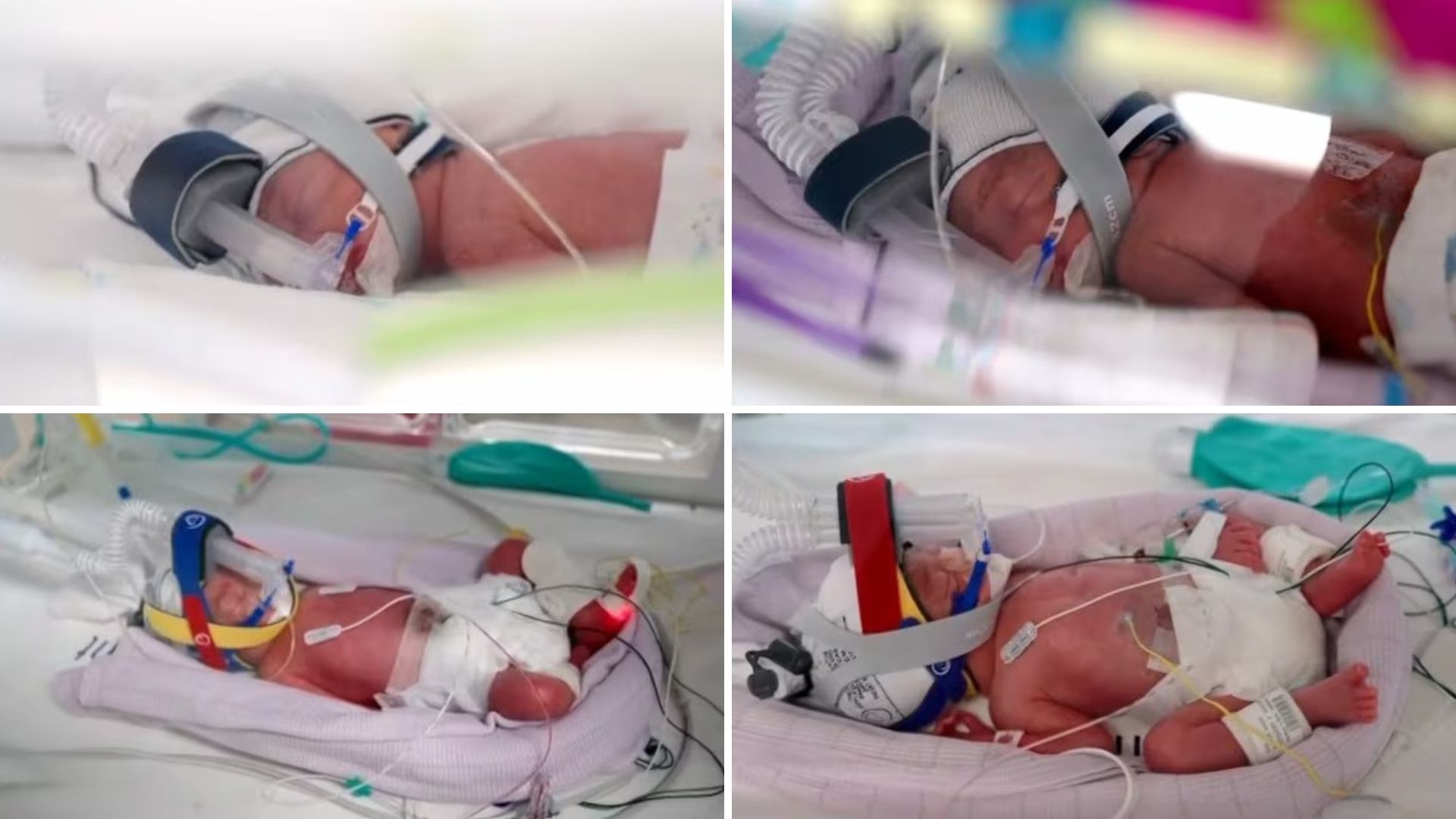
The rarity of this case highlights the extraordinary nature of their journey, as naturally conceived quadruplets are estimated to occur in about one in 700,000 births.
“The couple, already parents to four children aged one to ten, were 'taken by immense surprise' at the quadruplets. The odds of naturally conceived identical quadruplets are estimated at one in 700,000 births, and the mother has launched a fundraising campaign that raised over A$37,000 for a larger vehicle.”





