- Authorities in Australia are investigating a potential case of H5N1 bird flu in a migratory seabird found in Western Australia's Cape Le Grand National Park.
- The case would be the first detection on mainland Australia of a virus that has been spreading through wild bird and mammal populations since 2021.
- If confirmed, it would pose a huge risk to some of Australia's more endangered shorebirds, coastal raptors, and the unique, endemic and endangered Australian sea lions.
- Australian authorities ramped up surveillance and testing after two cases of the highly pathogenic H5N1 bird flu were confirmed in migratory seabirds.
- Tests are underway in South Australia after two dead sub-Antarctic seabirds and a pelican were found near Fowlers Bay, more than 1,200 km (746 miles) east of Esperance in Western Australia.
- Claire Scriven, South Australia state Primary Industries Minister, stated it could be several days before results from the bird samples are available.
- Ground-based surveillance and drone surveys are being carried out at sea lion breeding sites along South Australia's west and far west coasts, while testing frequency has been increased in high-risk areas.
- A total of 11 samples have been sent for testing in Western Australia from 94 reports of dead or unwell birds over the past three days.
- In its efforts to tackle bird flu, Australia has tightened farm biosecurity, increased testing of shorebirds, vaccinated vulnerable species and conducted response simulations.
- The federal government identifies more than 150 native and unique bird species and 10 mammal species at ‘very high risk’ from the H5N1 bird flu strain.
- Other species that may be at high risk of H5 bird flu include the Tasmanian devil and eastern quoll.
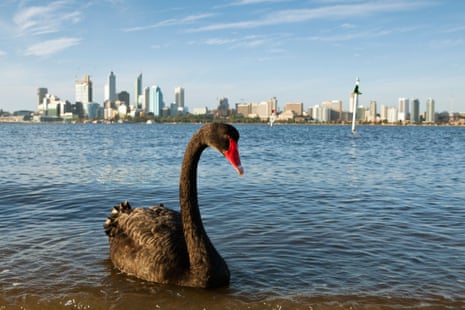
- Western Australia’s black swans are considered highly vulnerable due to lacking some immune genes that help other waterbirds combat the virus.
- Prof Kirsty Short from the University of Queensland noted that black swans have the wrong type of immune response to the virus.
- If H5N1 takes hold in local wildlife populations, it could lead to widespread mortalities of the species.
- The presence of the virus could have significant implications for wildlife, farming, food systems, and species already under pressure, as it has the potential to disrupt poultry production, drive up costs for farmers, and place added pressure on already strained food systems.
- On June 20, the Australian Government confirmed the presence of H5 on the continent, but stated that this detection does not change Australia's status as free from HPAI in poultry in accordance with international standards.
- Until now, Australia had been the only continent without a confirmed mainland case, though the virus was detected in late 2025 on the sub-Antarctic territory of Heard Island.
Australian authorities are on high alert as they investigate potential H5N1 bird flu cases in migratory seabirds, with over 150 native bird species identified as being at 'very high risk' of extinction.15
The black swan, a symbol of Western Australia, is particularly vulnerable due to its lack of immune genes that help combat the virus.69
Prof. Kirsty Short from the University of Queensland warned, “if the disease took hold in local wildlife populations, we could see widespread mortalities”.16

The implications of H5N1 could extend beyond wildlife, potentially disrupting poultry production and increasing costs for farmers, thereby straining food systems already under pressure.
The recent cases mark the first detection of H5N1 on mainland Australia, which had previously been free from the virus.
Surveillance efforts have intensified, with ground-based and drone surveys being conducted at sea lion breeding sites, and testing frequency increased in high-risk areas.8
“This strain of bird flu has caused huge die-offs of birds and sea mammals,” said a spokesperson, highlighting the urgency of the situation.
The Australian government has tightened farm biosecurity measures, increased testing of shorebirds, and vaccinated vulnerable species in response to the threat.
As the situation develops, authorities remain vigilant in their efforts to protect Australia’s unique wildlife.
“Australia is investigating its first suspected mainland case of H5N1 bird flu, raising concerns for endangered wildlife. Authorities are increasing surveillance and testing efforts to mitigate the potential impact on species like shorebirds and sea lions.”
 The Guardian