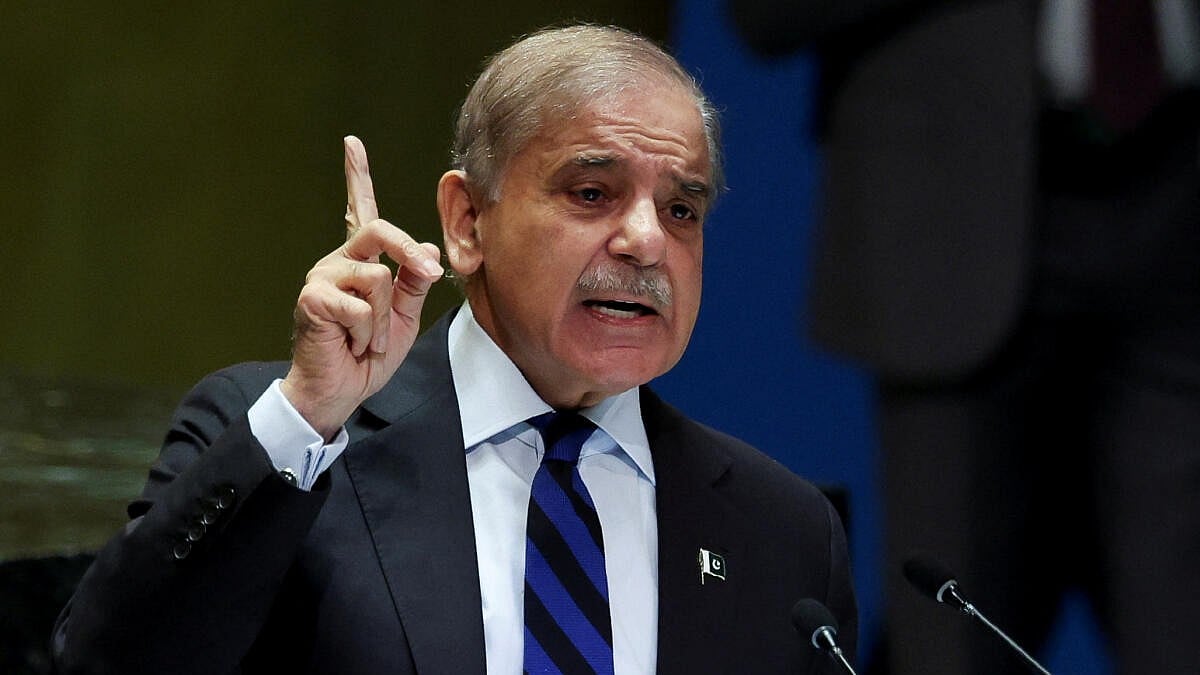
- Pakistan Prime Minister Sharif stated at the SCO Summit that water must never be weaponised, emphasizing its importance for regional peace and the Indus Waters Treaty.
- The Permanent Court of Arbitration ruled that the Indus Waters Treaty remains legally binding and its dispute-resolution mechanism can continue.
- India rejected the ruling from the tribunal, labeling it as 'illegally constituted' and asserting that it has no jurisdiction over India's sovereign decisions.
- The Indus Waters Treaty has been in abeyance since April 2025 when a terror attack in Pahalgam killed 26 people, prompting India to suspend its operation.
- Water is described by Sharif as the 'lifeblood' of the region, crucial for sustaining lives and agriculture, and essential for future generations.
- Sharif emphasized that treaties governing shared waters are solemn, binding international commitments that must be honored unconditionally.
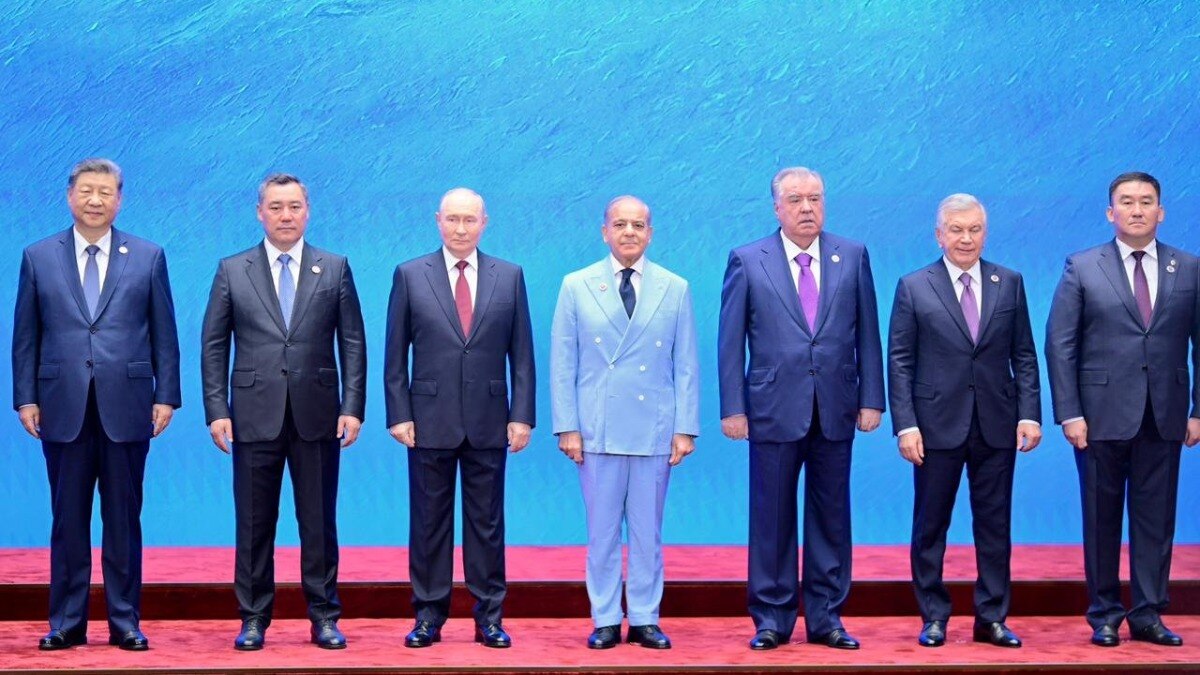
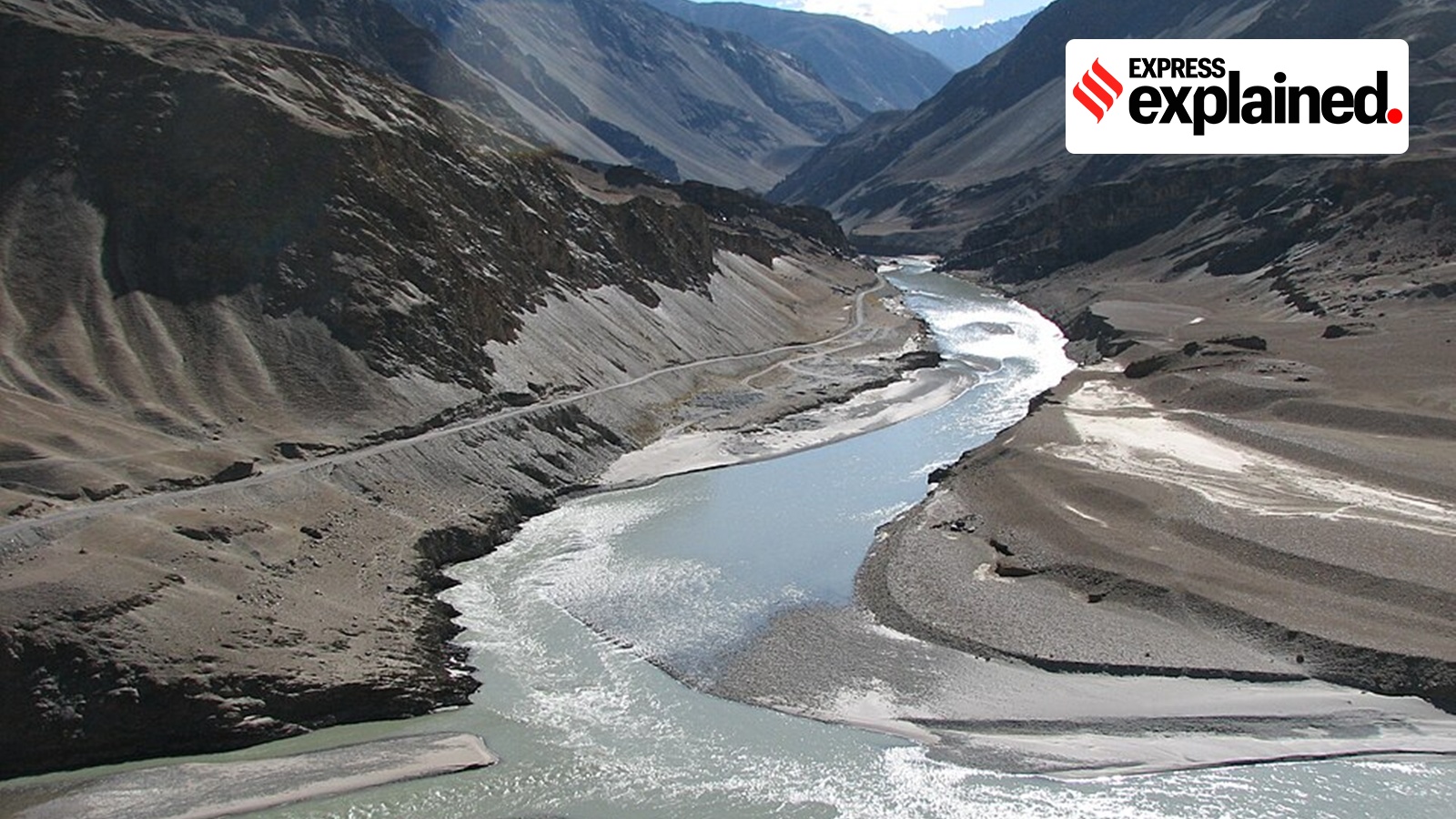
At the SCO Summit, Pakistan Prime Minister Shehbaz Sharif asserted that water is the "lifeblood" of the region, emphasizing it must never be weaponized. He stated, "Water will not be allowed to be used as a weapon", highlighting the importance of the Indus Waters Treaty (IWT).367
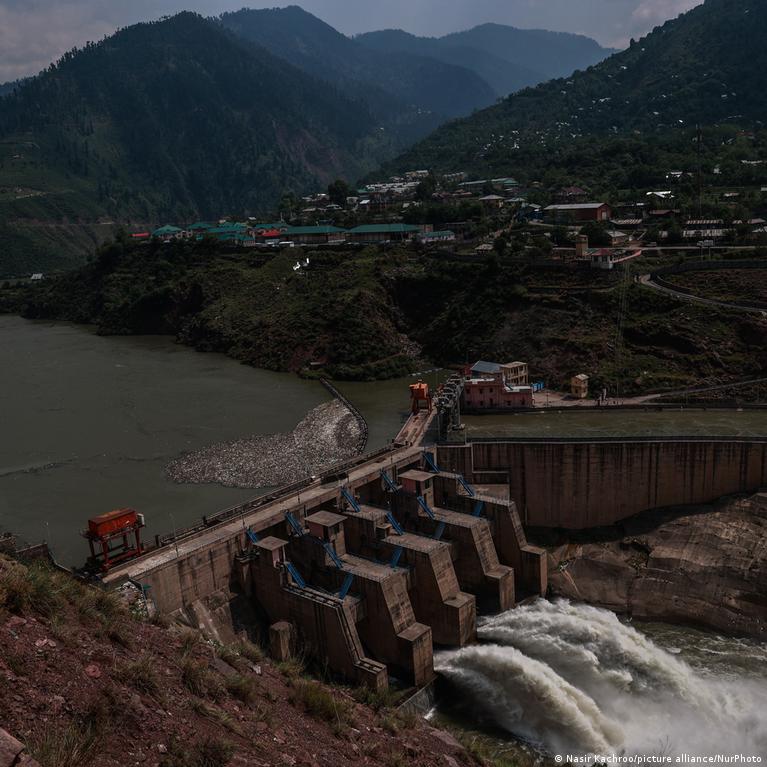
Sharif argued that the treaties governing shared waters are "solemn, binding international commitments" that should be honored unconditionally. His remarks came after India rejected a ruling from the Permanent Court of Arbitration, which stated that the IWT remains legally binding and that its dispute-resolution mechanism can continue to address disagreements.458
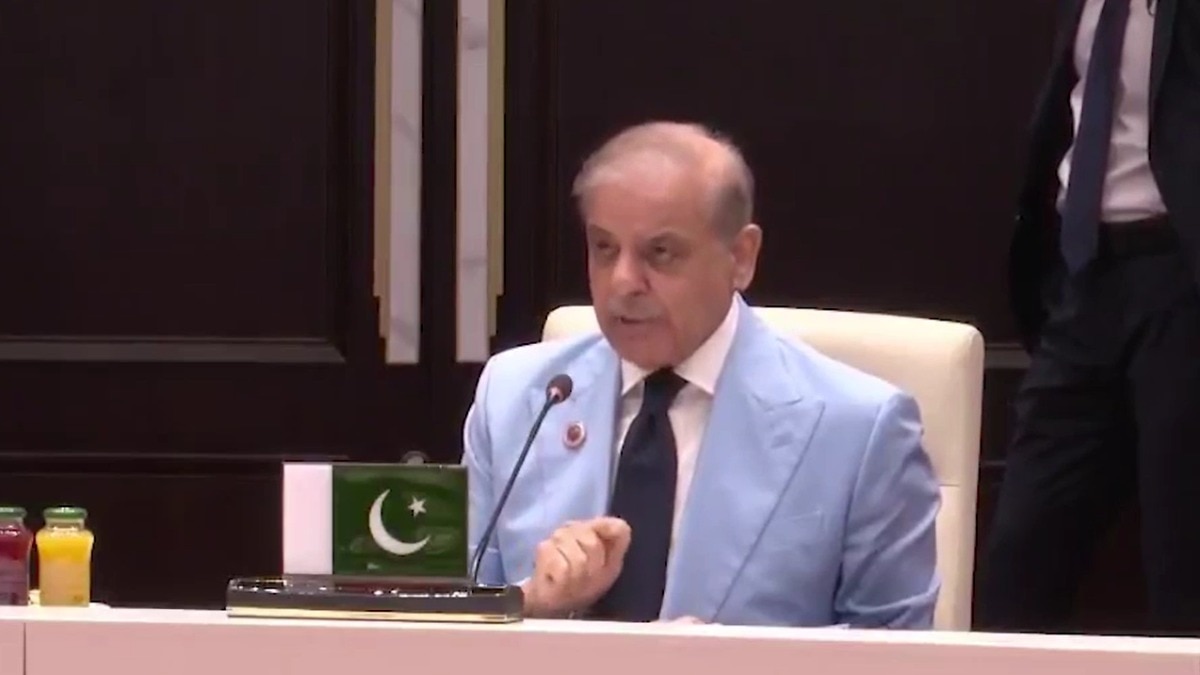
India's Ministry of External Affairs labeled the tribunal as "illegally constituted", asserting it has no jurisdiction over India's sovereign decisions. New Delhi has maintained that its decision to suspend the IWT remains in force, despite the tribunal's position.
The ongoing tensions over the IWT have escalated since India's suspension of the treaty following the April 2025 Pahalgam terror attack, which resulted in 26 fatalities. Sharif linked the water dispute to broader regional peace, stating that "South Asia could not realise its full potential without lasting peace".
“Sharif's remarks follow India's rejection of the Permanent Court of Arbitration's ruling, which had affirmed the treaty's binding nature. The treaty has been in abeyance since India's suspension after the April 2025 Pahalgam attack that killed 26 people, heightening regional tensions.”

 Deccan Herald