TL;DR by CuriousCats.ai
Health impacts of long-duration ISS missions
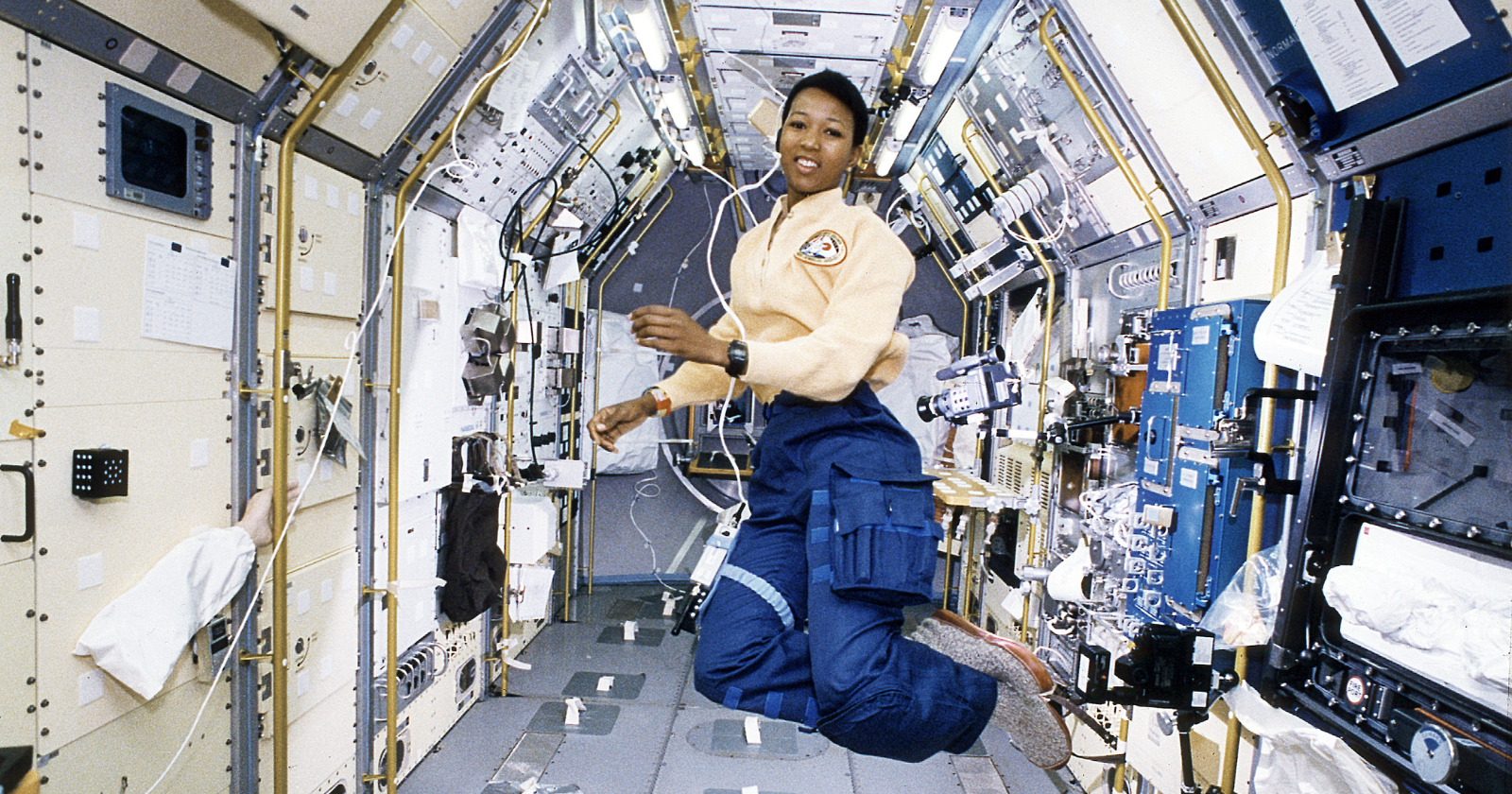
- Astronauts spend long-duration missions on the International Space Station (ISS), where they face significant health challenges.
- During these missions, bone mineral density declines at a rate of 1% to 1.5% per month, particularly in weight-bearing areas.
- Spine and paraspinal muscles waste away due to microgravity, with the functional cross-sectional area of these muscles dropping significantly.
- Upon return, astronauts experience pain, difficulty walking, and an increased risk of herniated discs, with rates approximately 4.3 times higher than the general population.
- Additionally, astronauts face blood changes, including space anemia, where they destroy about 54% more red blood cells during missions.
- Spaceflight-associated neuro-ocular syndrome (SANS) also manifests, causing symptoms like swelling of the optic disc and changes in vision.
Context on microgravity effects
- In microgravity, the lumbar spine loses about 11% of its natural forward curve, contributing to back pain.
- The immune system of astronauts reactivates dormant viruses, including strains of herpes, due to changes in their body.
- Astronauts employ countermeasures like daily exercise and nutrition rich in calcium and vitamin D to mitigate bone density loss.
- The absence of gravity causes fluid shifts in the body, leading to symptoms like puffy faces and thinner-looking legs.
- Total blood plasma volume can decrease by as much as 20% in space, complicating the return to Earth.
CuriousCats Full Story
Key Insight
“Bone mineral density loss can reach 1% to 1.5% per month during long-duration missions, comparable to a decade of age-related bone loss on Earth. Astronauts also develop 'space anemia,' destroying 54% more red blood cells during six-month stays, and may suffer from spaceflight-associated neuro-ocular syndrome affecting vision.”
CuriousCats studied:
1 Space Daily
Space Daily“When NASA astronaut Frank Rubio returned to Earth in September 2023 after 371 days aboard the International Space Station, he could not walk unassisted off the Soyuz capsule.”
Space Daily →2 starlust.org
starlust.org“Astronauts' bodies develop adaptations in space to compensate for the seeming lack of gravity.”
starlust.org →



