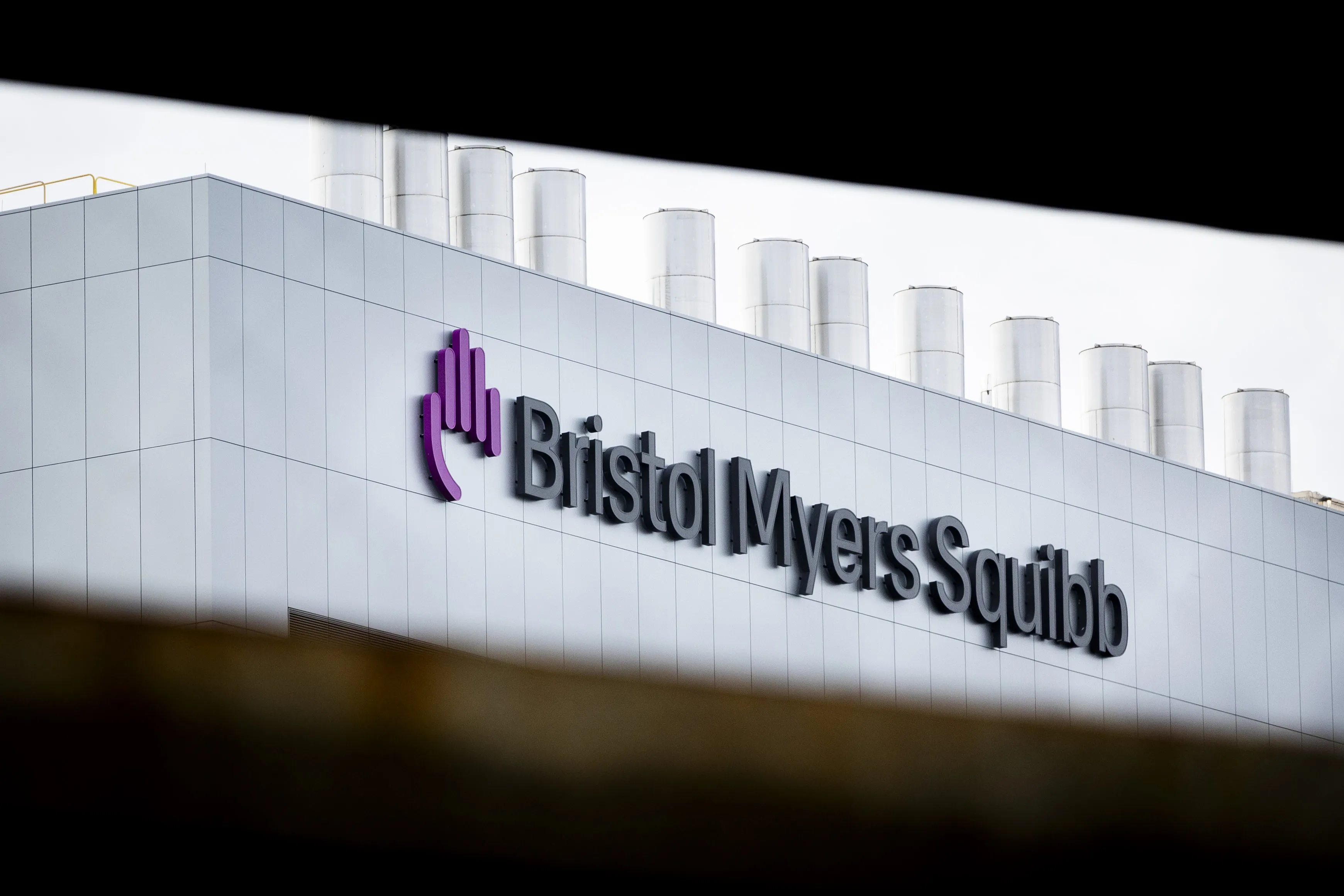
- AstraZeneca is reportedly in talks with Bristol Myers Squibb over a megadeal.
- If completed, a combined company could be valued at roughly $400 billion.
- AstraZeneca shares dropped 7% after the report, while Bristol Myers shares rose 3.8% in U.S. premarket trading.
- Jefferies analysts expressed confusion over the news, stating they are 'a bit perplexed'.
- Citi analysts called the report a 'surprise' given AstraZeneca's strong pipeline.
- AstraZeneca's market cap was $264 billion before the report, while Bristol Myers had a market cap of $133 billion.
- The potential merger could create one of the biggest pharmaceutical deals ever.
- AstraZeneca aims for $80 billion in sales by 2030, up from $58.7 billion last year.
- AstraZeneca's U.S. sales accounted for 42% of total sales in the first half of 2026.
- Bristol Myers sourced 69% of its revenues from the U.S. market in the last quarter.
AstraZeneca's shares dropped 7% after reports emerged that the company is in talks with Bristol Myers Squibb for a potential merger valued at $400 billion. This deal, if finalized, would mark one of the largest in the pharmaceutical industry.1278101112
AstraZeneca's stock fell as much as 7% in early trading, while Bristol Myers shares increased by 3.8% in U.S. premarket trading. Analysts expressed confusion over the merger discussions, given AstraZeneca's strong growth trajectory and innovative drug pipeline. “Given the strength of AZ's growth and innovation profile, we are a bit perplexed,” noted Jefferies analysts.345
AstraZeneca's market capitalization stands at $264 billion, while Bristol Myers is valued at approximately $133 billion. The merger could create a formidable oncology powerhouse, combining their extensive portfolios of cancer treatments, which may attract antitrust scrutiny.

AstraZeneca has been focusing on expanding its presence in the U.S. market, which accounted for 42% of its total sales in the first half of 2026. In contrast, Bristol Myers derived 69% of its revenues from the U.S. market last quarter. “Of course financial accretion can look good and maybe more cash generation would allow for more R&D,” Jefferies added, highlighting AstraZeneca's strong pipeline.
Despite the potential benefits, AstraZeneca declined to comment on the merger talks, leaving analysts and investors awaiting further developments.
“Jefferies analysts said they are "a bit perplexed" by the news, arguing AstraZeneca doesn't need financial engineering. Citi called the report a "surprise" given AstraZeneca's best-in-class pipeline, with a combined cancer portfolio likely the broadest in the industry.”
 cnbc.com



