)
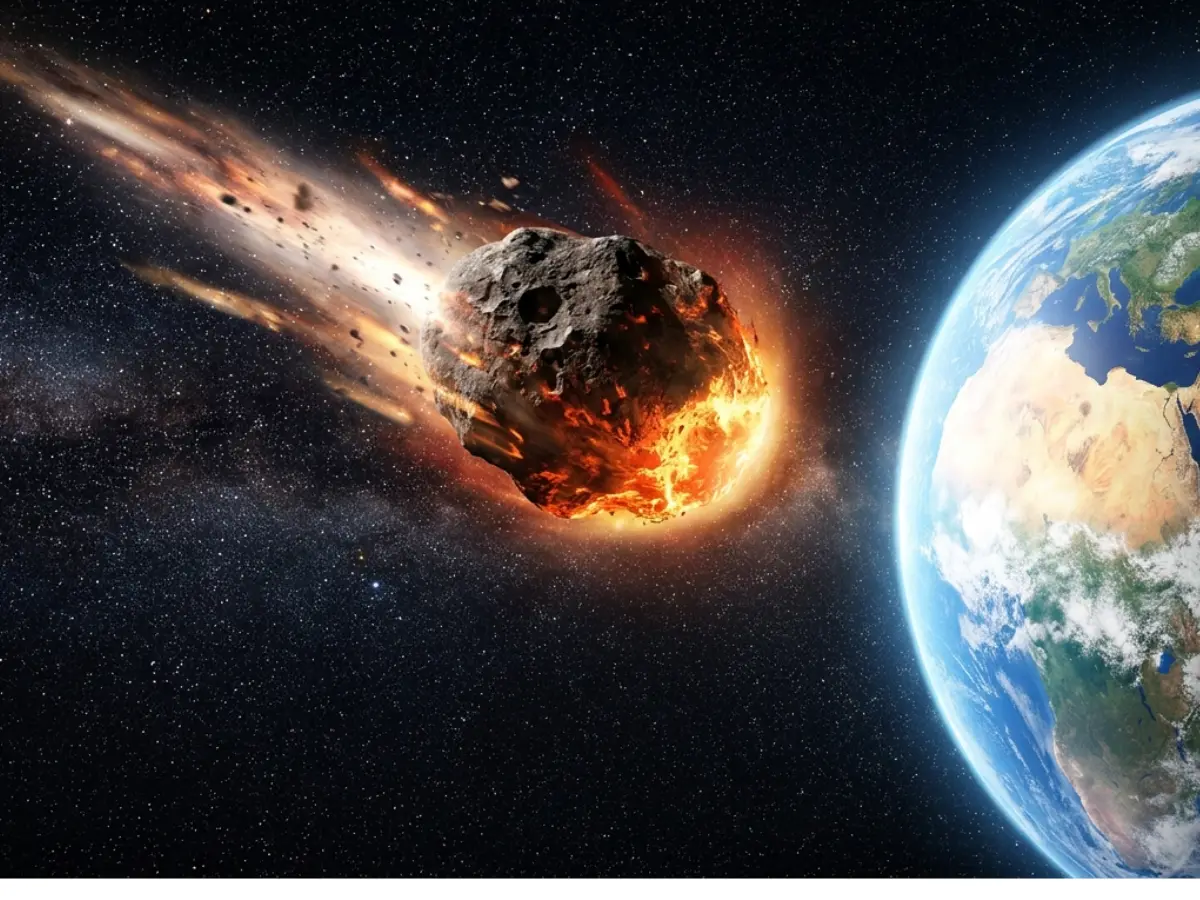
- Asteroid 1997 NC1, the largest in four years, is set to pass Earth safely on June 27 at a distance of 2.4 million kilometers.
- The asteroid is one kilometre wide and is moving towards Earth at a speed of 32,000 kmph.
- It will be visible to stargazers using a small telescope or large binoculars as it passes Earth.
- The asteroid will approach Earth at 11:16 a.m. UTC on June 27.
- Discovered in 1997, the asteroid is categorized as an -type (Earth-crossing) asteroid.
- The last time an asteroid as big as this one came this close was in January 2022.
- If an asteroid the size of 1997 NC1 were to crash into Earth, it would create a 10 to 15 km wide crater.
Asteroid 1997 NC1, discovered in 1997, is set to make a close approach to Earth on June 27, at a distance of 2.56 million kilometers, which is over six times the distance to the Moon. This one-kilometer-wide asteroid will be traveling at a speed of 32,000 km/h (19,886 mph).1278
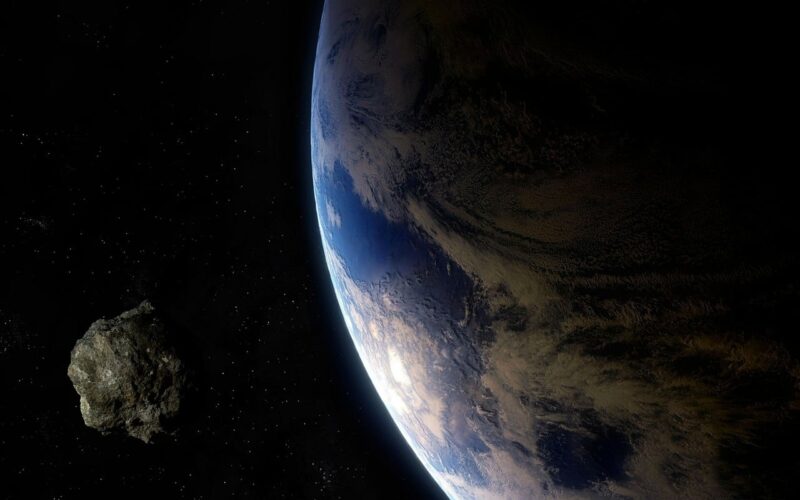
The European Space Agency (ESA) has confirmed that the asteroid poses no threat to Earth, stating, “The likelihood of a collision is unequivocally zero”. If it were to collide, it could create a crater up to 15 kilometers wide and 1.6 kilometers deep.
Stargazers will have the best chance to observe 1997 NC1 on June 26, 27, and 28, using telescopes or large binoculars. ESA's Juan Luis Cano noted, “A close approach to Earth by an object this size only occurs every few years”, although visibility may be affected by the bright nearby Moon.
The asteroid is classified as an -type (Earth-crossing) asteroid and is considered potentially hazardous due to its size, which may extend up to 1.5 kilometers. The last time an asteroid of this size passed this close was in January 2022.9
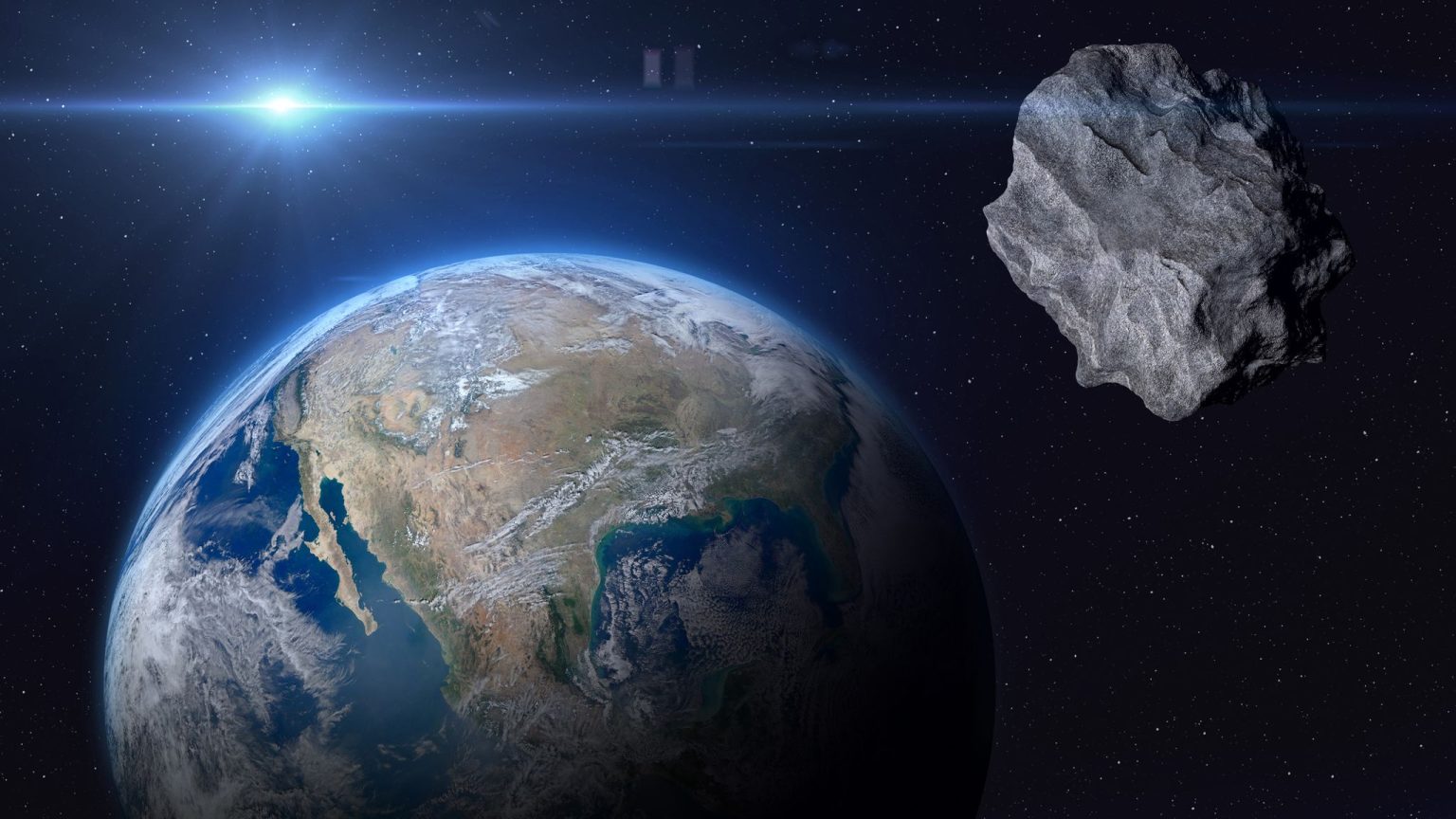
As it approaches, 1997 NC1 will be visible in parts of the Northern Hemisphere and almost everywhere as it speeds past Earth, before being visible only from the Southern Hemisphere as it departs.
“Asteroid 1997 NC1, nearly one kilometer wide, is set to pass Earth on June 27 at a safe distance of 2.56 million kilometers. This event will be visible to stargazers using telescopes or binoculars.”
 EarthSky
 Daily Sabah