
- ASRock has officially listed the Radeon RX 9050 Challenger 4GB, which is a step down from the previously announced 8GB variant.
- The 4GB card features a 64-bit memory bus, halving the capacity compared to the 128-bit interface of the 8GB model.
- Both the 4GB and 8GB models utilize the Navi 44 die and have 16 compute units, equating to 1,024 stream processors.
- The memory speed remains at 18 Gbps for both models, but the bandwidth on the 4GB card drops to 144 GB/s from 288 GB/s.
- The introduction of a 4GB SKU beneath the already reduced 8GB card highlights the tight GDDR6 allocation and pricing pressures in the market this year.
- Trimming capacity further allows AMD and its board partners to target another price point in cost-sensitive markets.
- ASRock has not disclosed pricing, availability regions, or TDP for either RX 9050 variant.
- The 8GB model is confirmed for Asia-Pacific and Latin America only, with no plans for a European or US launch.
ASRock's Radeon RX 9050 Challenger 4GB has been officially listed, featuring a significant reduction in memory capacity compared to the 8GB variant. The new card utilizes the Navi 44 die and maintains 16 compute units, equating to 1,024 stream processors, which is half the shader count of the RX 9060 XT.137
The 4GB model also sees a halved memory bus, dropping to 64-bit from the 8GB model's 128-bit interface. Despite this reduction, both variants retain a memory speed of 18 Gbps, resulting in a bandwidth decrease from 288 GB/s to 144 GB/s for the 4GB card.248
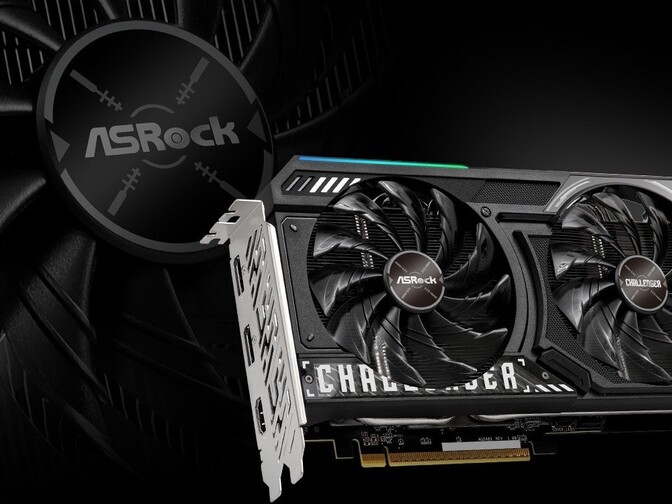
This introduction of a lower-tier SKU reflects the ongoing challenges in the GDDR6 memory market, where tight allocation and rising prices have become prevalent. The demand for AI-driven DRAM has shifted focus among memory vendors towards HBM and server DDR5, adversely affecting the availability of commodity GPU memory supplies.
ASRock has yet to disclose pricing, availability, or thermal design power (TDP) for either RX 9050 variant. The 8GB model is confirmed for Asia-Pacific and Latin America, with no plans for a European or US launch, suggesting that the 4GB card will follow a similar budget-focused regional strategy.
“The 4GB card features a 64-bit memory bus, reducing bandwidth from 288 GB/s to 144 GB/s, while both models utilize the Navi 44 die with 16 compute units. ASRock has not disclosed pricing or availability for either variant, which are targeted at cost-sensitive markets in Asia-Pacific and Latin America.”
 ixbt.games



