- Asian stocks fell sharply after Donald Trump imposed new sweeping tariffs, with the Nikkei 225 shedding 3.1%, the Hang Seng dropping 11.4%, and the Kospi falling 6.2%.
- Trump announced tariffs of 10% to 12.5% on more than 80 countries, including the UK, Mexico, Canada, Australia, India, China, and the European Union.
- The new levies are expected under Section 301 of the Trade Act of 1974, targeting countries engaged in forced labor, and replace an earlier blanket 10% tariff.
- US trade representative Jamieson Greer stated: “The United States has had a forced labour import ban for nearly a century, and rigorously enforces it; it’s well past time for our trading partners to do the same.”
- Bank of France governor Emmanuel Moulin said Trump’s tariffs create “more uncertainty for world trade” and are “not favourable for growth”, though the Turnberry agreement should protect Europe.
- Exemptions apply where tariffs would cause material shortages or insufficient domestic production, and certain UK products may be exempt to encourage labour commitments.
- The UK government confirmed no change to the 10% tariff rate, stating no additional tariffs were imposed and that the US recognised UK steps against forced labour.
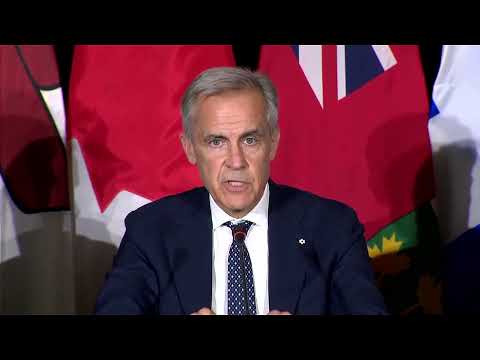
- Affected nations criticised the tariffs: Brazil called them "arbitrary and unjustified" and threatened retaliation; Australia said they were "inconsistent" with trade agreements; Canada PM Mark Carney said "everything's on the table" if no deal is reached.
Asian stock markets experienced significant declines following President Trump's announcement of new tariffs targeting over 80 countries, including major economies like the UK, Canada, and China. The tariffs, ranging from 10% to 12.5%, are aimed at countries accused of failing to prevent forced labor in their supply chains.345615161718
The Japanese Nikkei 225 fell by 3.1%, while Hong Kong's Hang Seng index plummeted 11.4%. The South Korean Kospi also suffered a 6.2% drop, reflecting widespread investor concern over the implications of these tariffs on global trade.12
The Office of the US Trade Representative stated that the new tariffs are a response to findings that many affected countries have not effectively enforced prohibitions against goods produced with forced labor. Jamieson Greer, the US trade representative, emphasized that these measures aim to address both human rights abuses and unfair trade practices.7
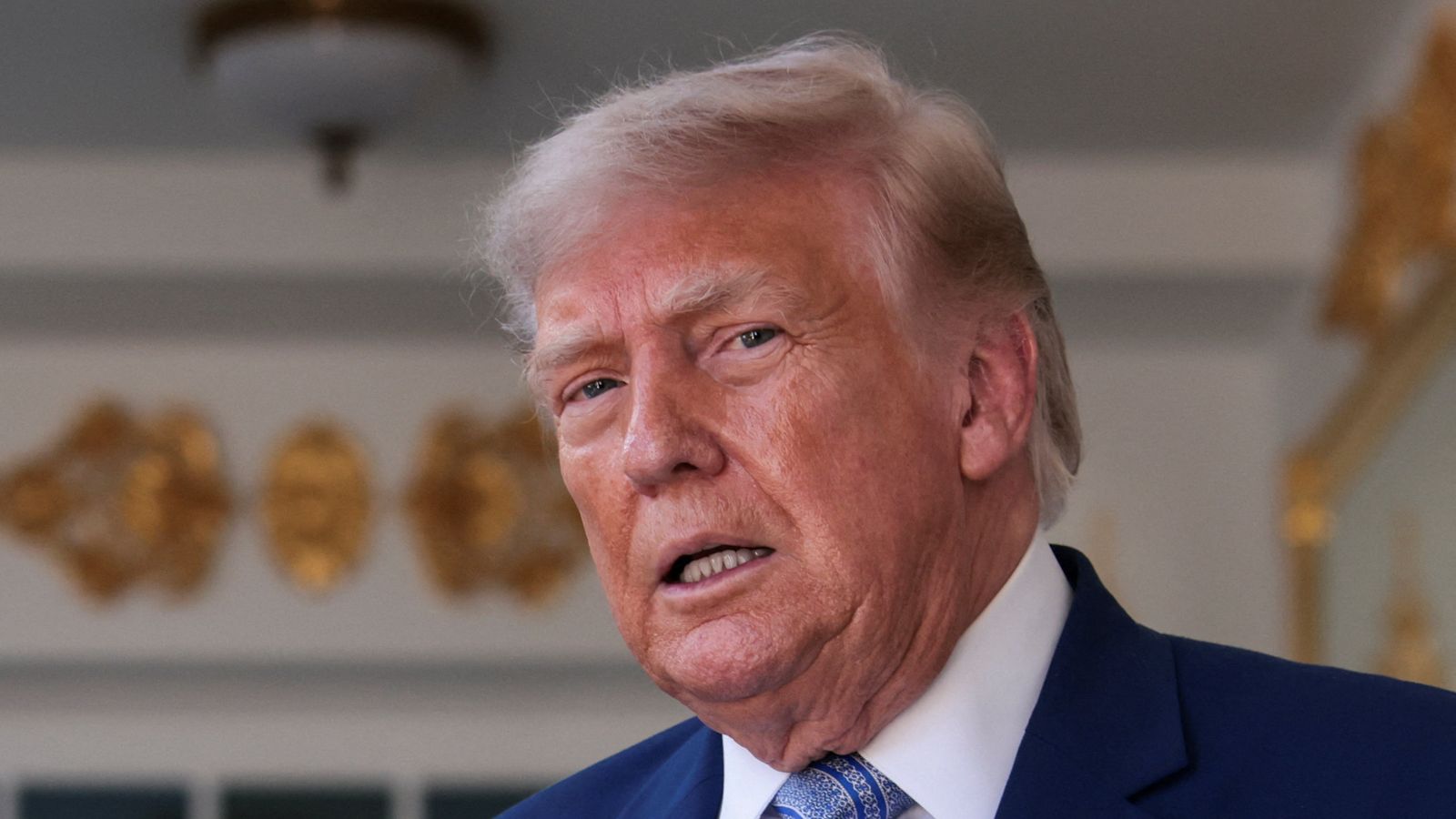
Critics of the tariffs, including Brazil and Australia, have labeled the measures as “arbitrary and unjustified”, with threats of retaliatory actions. Meanwhile, the UK government confirmed that there would be no changes to the existing tariff rates for UK businesses, maintaining their preferential access under the current trade agreement.
As the tariffs take effect, analysts warn of increased uncertainty in the global economy, with potential repercussions for growth and international relations.
“Tariffs of 10% to 12.5% under Section 301 target forced labor, replacing a blanket 10% tariff. Brazil called the move 'arbitrary and unjustified' and threatened retaliation, while the UK confirmed no change to its 10% rate.”

 The Guardian



