- Trump imposes tariffs on more than 80 countries, leading to significant market reactions.
- Asian stock markets fell sharply as investors reacted to Donald Trump's new tariffs, with the Japanese Nikkei 225 down 3.1% and Hong Kong's Hang Seng index dropping 11.4%.
- Analysts criticize the forced labour rationale for the new tariffs, calling it a 'convenient excuse' to rebuild the tariff wall after a Supreme Court ruling struck down previous tariffs.
- Businesses face continued uncertainty as the tariffs force them to constantly reevaluate contracts and sourcing.
- China warned that 'tariff wars and trade wars are not in the interests of any party', opposing all unilateral tariff measures.
- Bank of France governor Emmanuel Moulin said the new tariffs create 'more uncertainty for world trade' and are not favourable for growth.
- The tariffs are ultimately paid by domestic consumers, according to economist Susan Stone.
- Analysts predict limited global pushback, with most countries likely to accept the new tariffs rather than retaliate.
Asian stock markets experienced significant declines following President Trump's announcement of new tariffs on over 80 countries, including China, India, and the European Union. The Nikkei 225 dropped 3.1%, while the Hang Seng index fell 11.4%.
Trump's tariffs, ranging from 10% to 12.5%, are justified by the administration as a response to forced labor concerns, but analysts argue this rationale is merely a pretext to reinstate tariffs that were previously overturned.
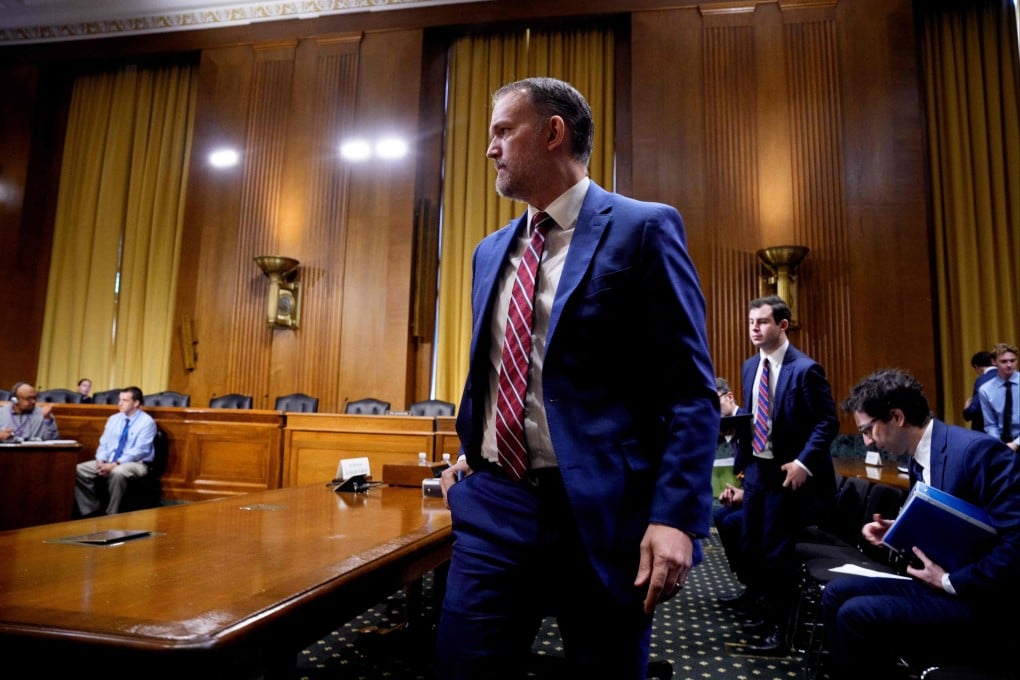
Deborah Elms, a trade policy expert, stated, “I don't think this is about forced labour at all. It was just a convenient excuse to rebuild the tariff wall.”
The Bank of France governor warned that these tariffs would add uncertainty to the global economy, while businesses are forced to reevaluate sourcing strategies due to the new levies.
Despite the potential for retaliation, analysts believe most countries will accept the tariffs.
“We do know that the majority of these tariffs are paid by domestic consumers,” noted an analyst, highlighting the broader implications for consumers in the U.S.
The situation reflects a shift towards a higher tariff world, with the U.S. threatening more trade tools against its key trading partners.
“China warned that 'tariff wars and trade wars are not in the interests of any party' and opposed all unilateral tariff measures. Separately, Bank of France governor Emmanuel Moulin said the new tariffs create 'more uncertainty for world trade' and are not favourable for economic growth.”

 The Guardian
 South China Morning Post



