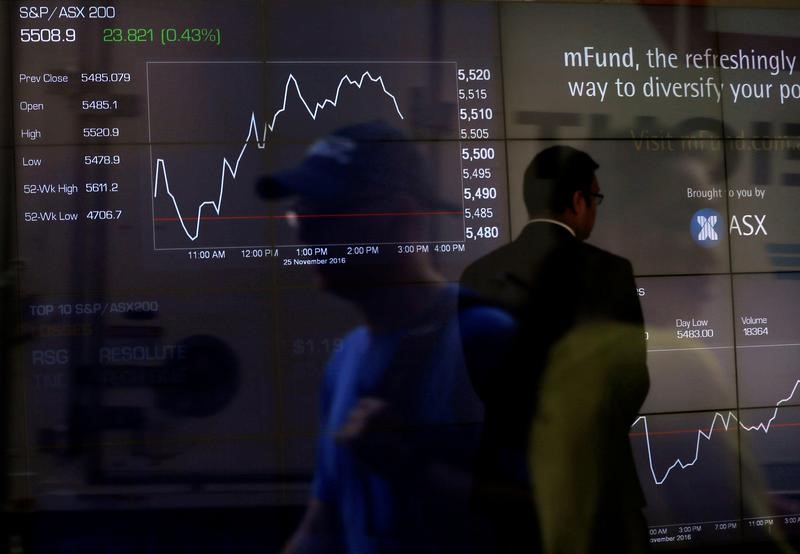
- Asian stocks mostly fell on Tuesday as higher oil prices and a renewed rise in bond yields outweighed fresh optimism around artificial intelligence spending.
- Stocks in Asia were set to follow Wall Street lower as elevated oil prices stoke inflation concerns and hopes fade for a deal to end the Iran war.
- West Texas Intermediate held near $85 a barrel after jumping almost 3 percent in the previous session, reviving concerns that energy costs may reignite inflation.
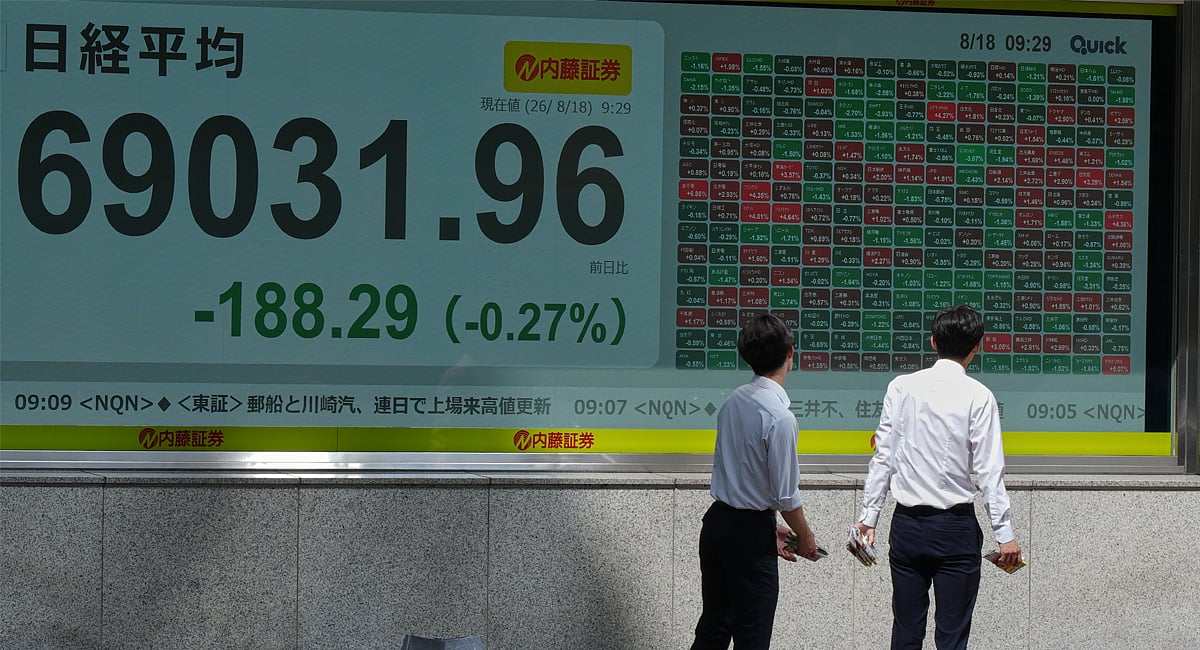
- Japan's benchmark Nikkei 225 dipped 1.6% to 68,098.54, while South Korea's index erased an early gain of more than 3% and slid 1.1%.
- The yield on the 10-year Treasury climbed to 4.72% from 4.68% late Friday, up from just 3.97% before the war with Iran.
- Brent crude rose 21 cents in Tuesday trading to $91.08 a barrel, with prices zigzagging between $72 and $102 last month amid fluctuating hopes for a U.S.-Iran deal.
- Analysts noted that robust earnings reports in Asia are helping counter worries about the impact of the war in Iran on global crude flow and energy prices.
- DBS analysts stated that the broader equity-risk backdrop remains benign, supported by strong corporate earnings, the AI boom, and a less hawkish Federal Reserve.
Asian stocks declined on Tuesday as rising oil prices and inflation fears overshadowed strong earnings reports.1
West Texas Intermediate crude held near $85 a barrel, raising concerns that energy costs could reignite inflation and prompt the Federal Reserve to increase interest rates before year-end.3
Japan's Nikkei 225 fell 1.6%, while South Korea's index dropped 1.1% after an early gain.
The Brent crude price also rose, reaching $91.08 a barrel, as geopolitical tensions in West Asia, particularly regarding the Iran conflict, added to market anxiety.89
Analysts noted that despite robust earnings reports in Asia, the rising oil prices and bond yields have dampened market sentiment.10
The yield on the 10-year Treasury climbed to 4.72%, up from 4.68% late Friday, reflecting concerns over inflation driven by higher energy costs.
Chris Larkin from E*Trade highlighted that the lack of progress on the US-Iran diplomatic front remains a significant risk factor for the markets.
Overall, the broader equity-risk backdrop remains supported by strong corporate earnings and a less hawkish Federal Reserve, according to DBS analysts.11
“West Texas Intermediate crude oil prices rose nearly 3% to around $85 a barrel, reviving inflation worries and increasing the likelihood of a Federal Reserve interest rate hike. Analysts note that despite strong corporate earnings, the geopolitical tensions in West Asia continue to pose risks to market stability.”