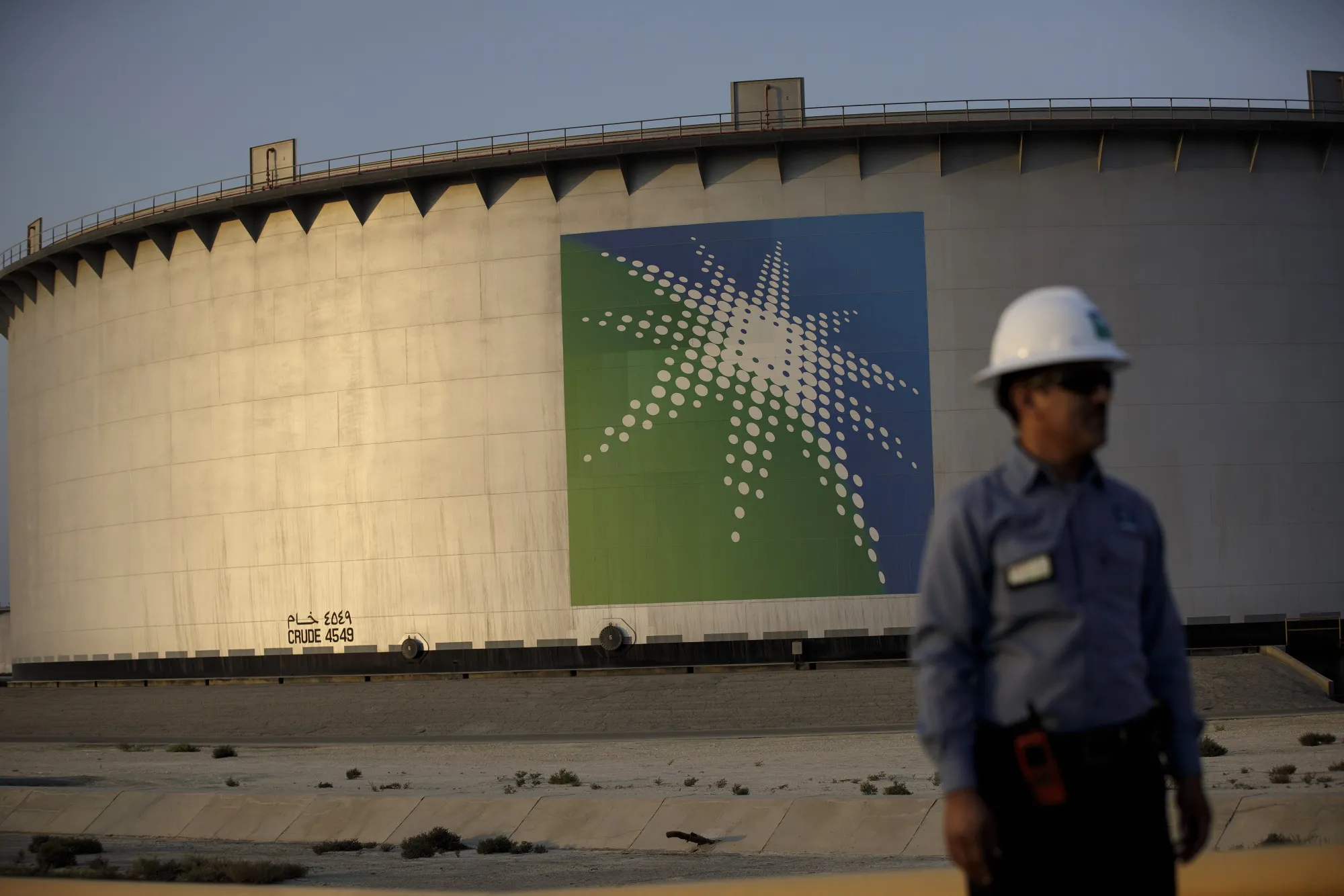
- Saudi Aramco is offering crude oil outside the Strait of Hormuz to some Asian refiners through private negotiations, a strategy similar to that adopted by Abu Dhabi National Oil Co (ADNOC).
- In a rare move, Aramco is in talks with buyers to supply Arab Medium and Arab Heavy crude via ship-to-ship (STS) transfers off Fujairah in the UAE, with cargoes for September loading.
- The offers are the latest sign of crude supplies finding their way around the prolonged disruption to the Strait of Hormuz.
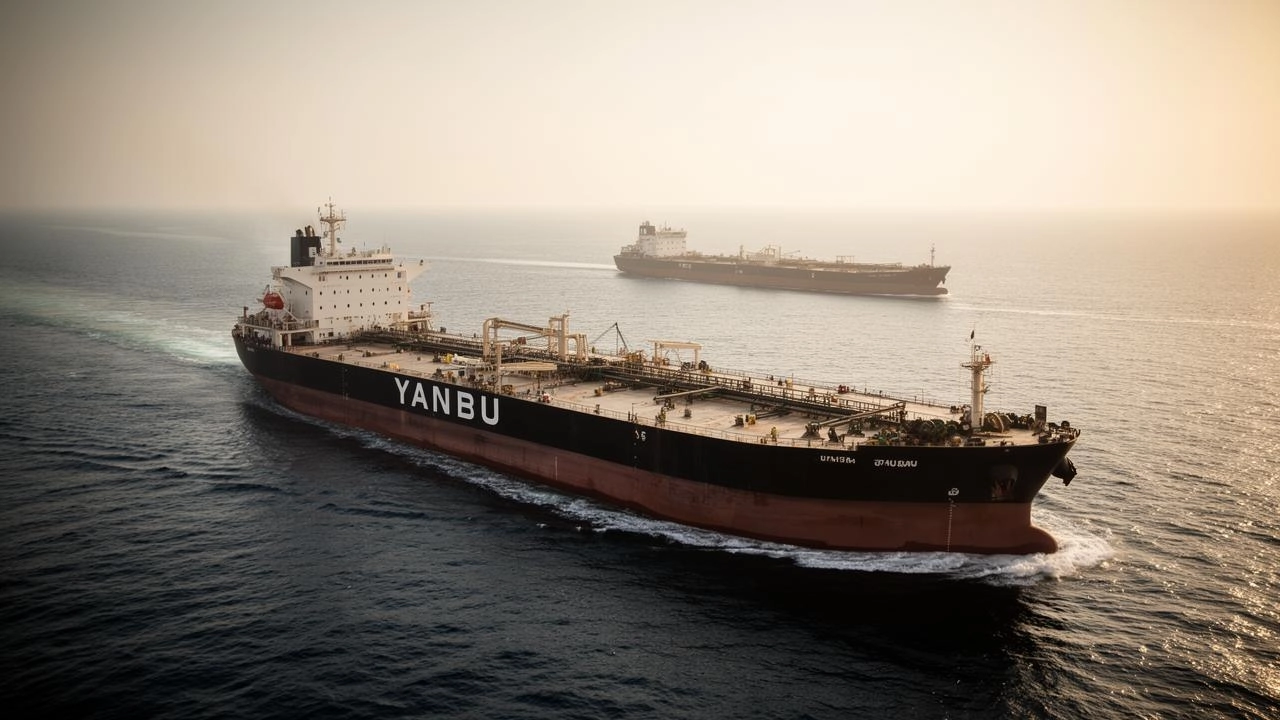
- Aramco has also diverted its Arab Light crude to the Red Sea port of Yanbu for export and offered the grade from Egypt's Mediterranean port of Sidi Kerir following attacks in the Red Sea by the Iran-aligned Houthis.
- Disruption in supplies from the Strait of Hormuz and Red Sea, due to the U.S.-Israeli war on Iran and attacks on vessels by Yemen's Houthis, has curtailed Aramco's market share in key consuming markets.
- At least two Asian refiners have asked Aramco if they can take their purchased oil cargoes from Egypt's Mediterranean port of Sidi Kerir instead, according to traders who asked not to be named as they're not authorized to speak to media.
- Most processors in China, Taiwan and India were asked to collect their oil from Yanbu, they added. Aramco declined to comment.
- The arrangements allow Asian refiners to receive crude without sending their own tankers through the strait, where security concerns have deterred many shipowners from entering.
- Some shipments of Saudi crude had already been diverted to Sidi Kerir prior to Aramco's September sales. As part of its allocations next month, Aramco asked Japanese and South Korean refiners to pick up their cargoes from the Egyptian port, according to the traders.
- Refiners buy Saudi oil under long-term contracts that are agreed on an annual basis. A set amount of crude is purchased over the year, but there is flexibility on when those volumes can be taken, allowing a buyer to reduce or skip its monthly allocation if needed.
Asian refiners are seeking alternatives to the Strait of Hormuz for Saudi crude oil deliveries due to escalating security risks from Houthi attacks. Saudi Aramco is facilitating this by offering shipments via ship-to-ship transfers off Fujairah and from Egypt's Sidi Kerir port.123461112
The ongoing conflict in the region has disrupted traditional shipping routes, prompting Aramco to adapt its strategy. The company has diverted its Arab Light crude to the Red Sea port of Yanbu and is negotiating with refiners to supply Arab Medium and Arab Heavy crude through private talks. This shift aims to maintain Aramco's market share amid the turmoil.589
Some refiners are hesitant to pick up oil at Yanbu due to the dangers posed by the Red Sea, where recent attacks have heightened security concerns. As a result, at least two refiners have requested to collect their oil from Sidi Kerir instead, despite the higher shipping costs associated with this route.

The arrangements allow refiners to avoid sending their own tankers through the perilous strait, where many shipowners are deterred by security risks. Aramco's flexibility in contracts allows refiners to adjust their monthly allocations based on these challenges.
“The offers are the latest sign of crude supplies finding their way around the prolonged disruption to the Strait of Hormuz,” a source noted.
As the situation evolves, refiners in China, Taiwan, and India have been asked to collect their oil from Yanbu, while others weigh their options amid rising costs and security concerns.
“Aramco has diverted Arab Light to Yanbu and offered it from Egypt's Sidi Kerir, while asking Japanese and South Korean refiners to collect from there. At least one refiner may skip its September allocation due to higher shipping costs around Africa.”
 Yahoo Finance