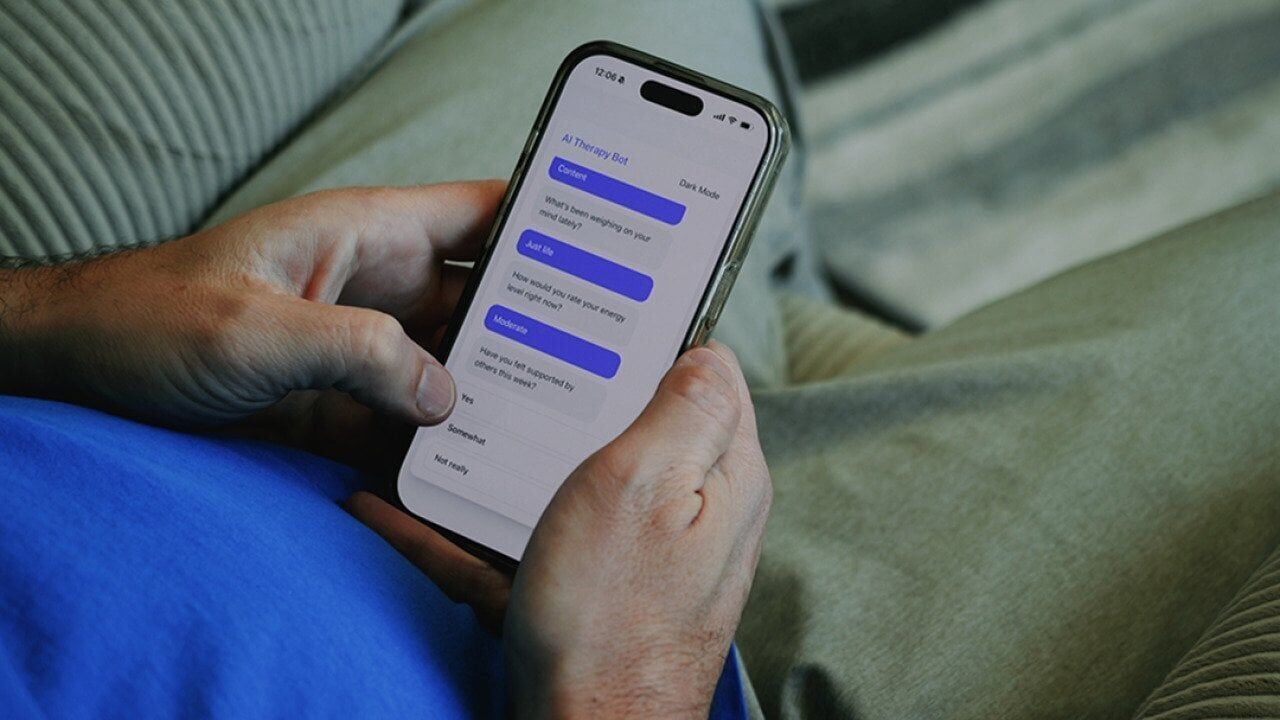
- ELIZA was developed in 1966 as the first AI mental health tool, designed to simulate human conversations for therapeutic applications.
- A recent study published in NEJM AI found that users of the AI therapy chatbot Therabot experienced significant improvements in symptoms of depression, anxiety, and disordered eating.
- AI tools are currently being integrated into therapy as supplements, enhancing the support provided by licensed professionals.
- Artificial intelligence is reshaping how people access and experience mental health care, providing tools like chatbots and data-driven insights.
- AI therapy uses technologies like chatbots, natural language processing, machine learning, and predictive analytics to deliver mental health support or enhance human-led care.
- AI tools can assist with mood tracking, skill-building, early symptom detection, and personalized treatment insights, but they cannot replace the empathy and clinical judgment of a licensed therapist.
- AI therapy is often seen as a helpful first step for individuals hesitant about starting therapy, offering accessible and judgment-free support.
Artificial intelligence (AI) is reshaping the mental health landscape by offering innovative tools like chatbots and personalized treatment plans. These technologies utilize natural language processing and machine learning to provide support, making therapy more accessible and affordable.4
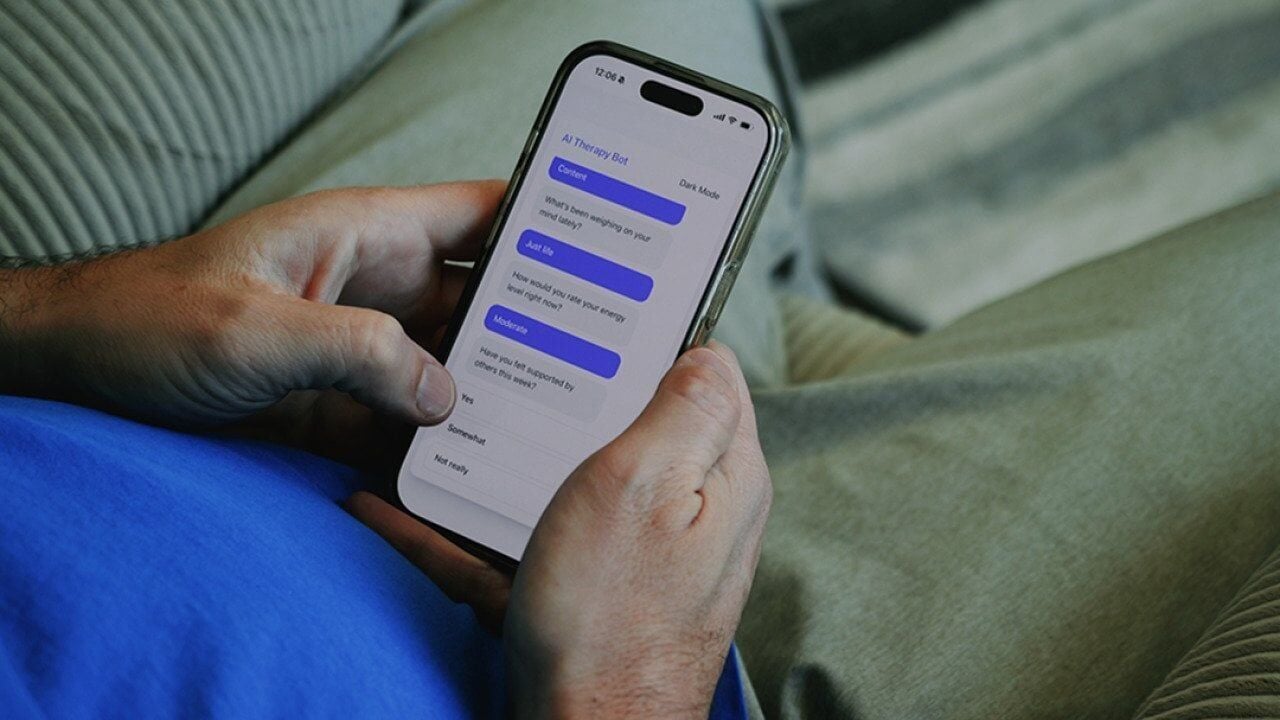
AI therapy can be particularly beneficial for individuals hesitant to seek traditional therapy, as it offers 24/7 access and judgment-free support. According to Talkspace therapist Cynthia Catchings, PhD, LCSW-S, "AI therapy tools can be a helpful first step for individuals who feel hesitant or overwhelmed about starting therapy." However, she warns that AI lacks the empathy and nuance necessary for effective treatment, especially for those in crisis or with complex trauma.57
Research published in *NEJM AI* indicates that users of the AI chatbot Therabot experienced significant improvements in symptoms of depression, anxiety, and disordered eating. Yet, results across studies remain mixed, with some showing little to no benefits for stress or overall well-being. Experts emphasize that AI therapy should be viewed as a supplement rather than a replacement for traditional therapy, which relies on human connection and clinical judgment.2
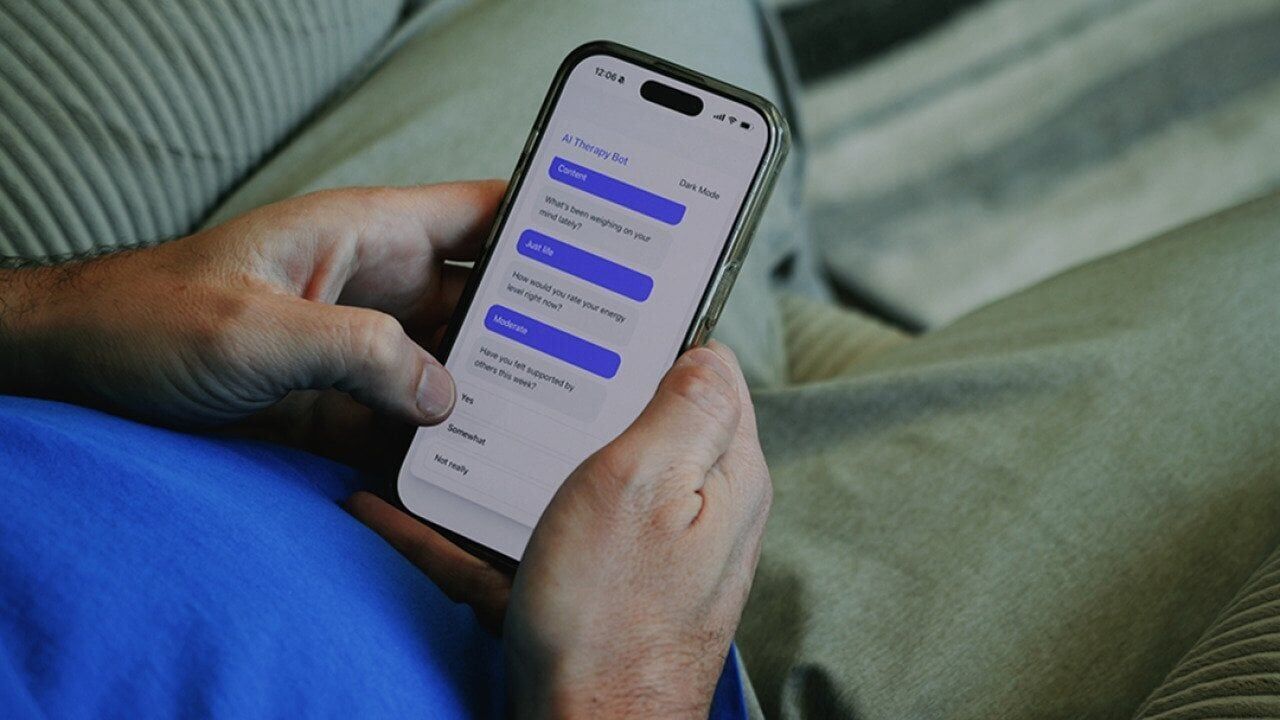
Despite its limitations, AI therapy can enhance mental health care by providing tools for mood tracking, skill-building, and early symptom detection. However, it is crucial to recognize the potential drawbacks, including privacy concerns and the risk of algorithmic bias.
“A NEJM AI study found that users of the Therabot chatbot experienced significant improvements in depression, anxiety, and disordered eating symptoms. However, therapists caution that AI tools lack the empathy and cultural understanding needed for crisis and complex trauma, making them best as supplements to human-led care.”




