
- Milei authorises expulsion of foreigners who spread 'hate' about Argentina through an emergency decree.
- The decree allows the government to bar, deport or revoke visas of those who express 'hate' or tarnish national symbols.
- Recent displays of hostility toward Argentina prompted the government to reaffirm that the defense of the nation and its symbols is non-negotiable.
- Milei stated, “Anyone who attacks the Argentine Republic is not welcome in our country.”
- The government described the changes as a response to hostility towards the Argentine Republic, although specific examples were not cited.
- The amendment to Migration Law allows expulsion of foreign nationals promoting hatred against Argentina or its symbols.
- The reform also allows authorities to refuse entry to foreign citizens who have engaged in similar conduct.
- Milei clarified that the new rules will not affect political, ideological or academic criticism, which are protected under freedom of expression.
- The announcement follows heavy criticism of Argentina's football team after the FIFA World Cup, where they finished as runners-up.
- The reform comes amid growing diplomatic tensions between Argentina and Brazil, with Milei making repeated verbal attacks against Brazilian President Lula da Silva.
- Milei has claimed, without evidence, that there is a global campaign against Argentina, blaming leftists in Brazil, Mexico, and the US Democratic Party.
- Since the World Cup, Milei has argued that there is a coordinated campaign against Argentina, for which he has provided no evidence.
Argentina's President Javier Milei has signed an emergency decree allowing the government to deport foreigners who spread 'hate' against the country. This move comes amid rising tensions following the FIFA World Cup, where Argentina faced significant criticism after finishing as runners-up.
The decree empowers authorities to bar, deport, or revoke visas of individuals promoting hatred against Argentina or its national symbols, whether through spoken or written statements. The government emphasized that the defense of the nation and its citizens is non-negotiable.
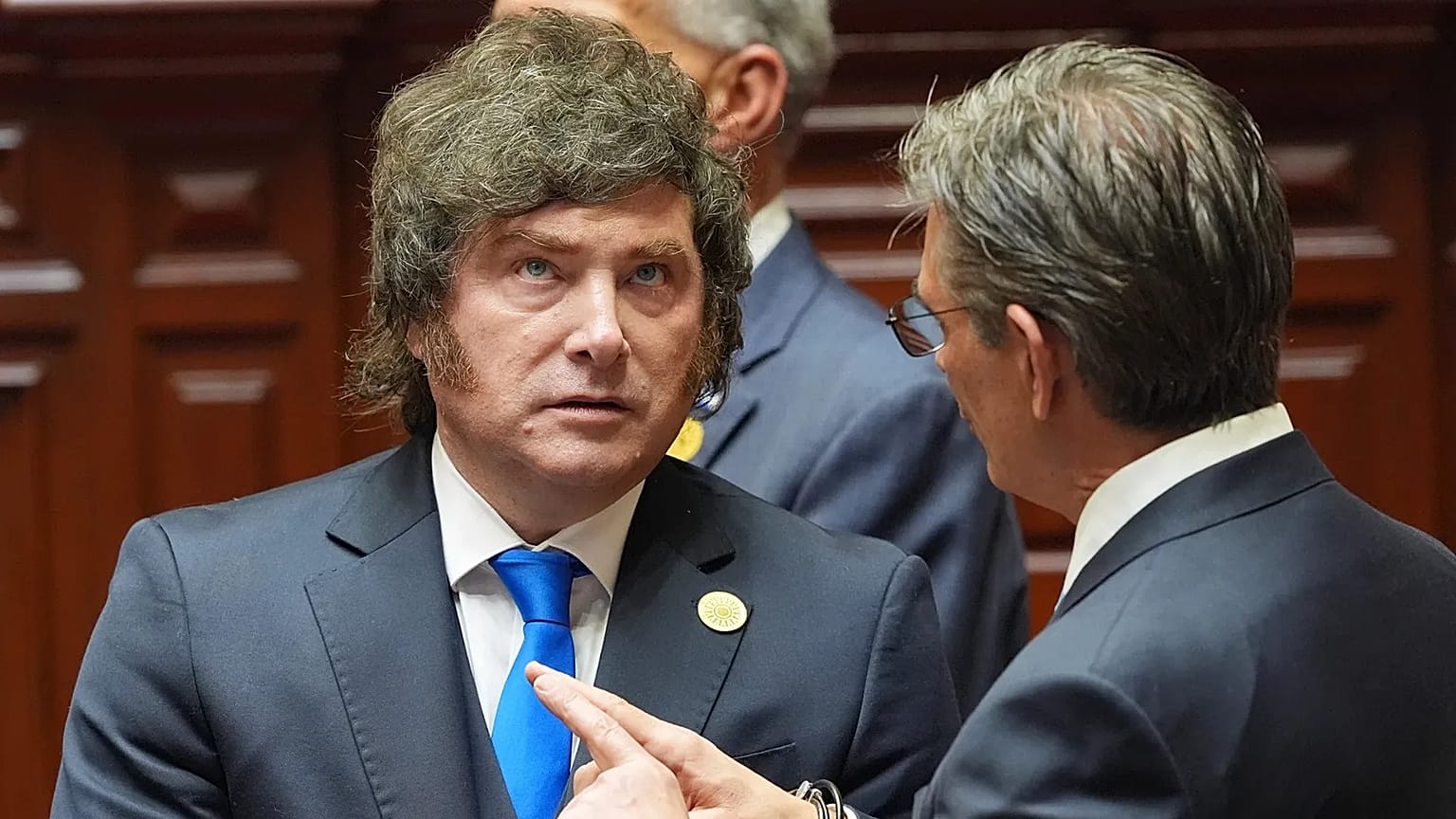
Milei, who has likened the criticism to a coordinated 'anti-Argentina campaign' allegedly financed by leftists in Brazil, Mexico, and the U.S. Democratic Party, stated, “Anyone who attacks the Argentine Republic is not welcome in our country.” The reform also allows authorities to refuse entry to foreign nationals who engage in similar conduct.47
Despite the stringent measures, the government clarified that political, ideological, or academic criticism remains protected under the right to freedom of expression. The announcement follows a series of verbal attacks by Milei against Brazilian President Luiz Inácio Lula da Silva, further escalating diplomatic tensions between the two nations.
The backlash against Argentina intensified after players and staff were involved in a confrontation with Spanish opponents post-World Cup final, leading to online petitions calling for Argentina's expulsion from future tournaments, which garnered hundreds of thousands of signatures.
“Milei's emergency decree allows the government to bar or revoke visas of foreigners promoting hatred against Argentina, citing recent hostility towards the nation. The reform follows criticism of Argentina's football team after the FIFA World Cup and escalating diplomatic tensions with Brazil.”
 euronews.com
 AP News



