- A British archaeologist suggests that Verica was no king at all, but rather a queen.
- Without this appeal, “it’s likely that Rome would never have invaded,” and Russell adds that Verica “has always been misgendered” in historical accounts.
- Russell argues that the Latin title “rex” is a “non-gender specific title” indicating rule with “the full authorization of the emperor,” and that a female Verica could explain Roman chroniclers’ “henpecked” portrayal of Claudius.
- The idea aligns with recent insights: a 2025 study co-authored by Russell revealed that Iron Age British communities were matrilocal, suggesting land and status passed down the female line.
- Russell welcomes scholarly debate, stating “If it does create debate and argument, I think that's for the better,” because “The one-sided story’s been there for so long.”
A British archaeologist proposes that Verica, often labeled a king, was actually a queen, challenging historical narratives about Iron Age Britain.1456
Russell argues that the Latin title 'rex' is non-gender specific, suggesting that Verica ruled with the emperor's full authorization.2378
He notes that personal names ending in '-a' were predominantly feminine in Iron Age Britain, applying to about 95 percent of names from that era.
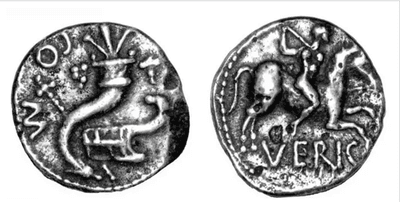
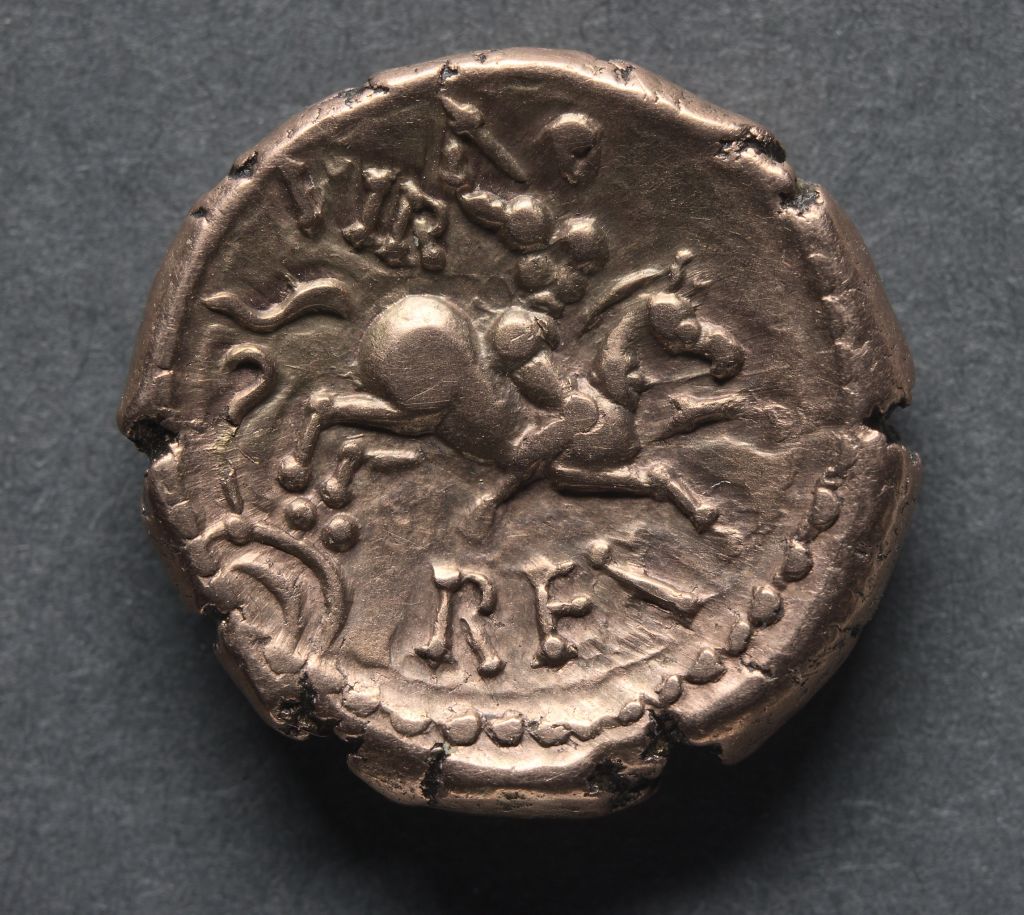
Coins minted under Verica depict slender, bare-breasted equestrian figures that appear distinctly female, contrasting with the masculine imagery of contemporary leaders like Cunobelinus.
Russell also posits that a female Verica could explain the negative portrayals of Emperor Claudius in classical accounts, suggesting he was influenced by a 'barbarian femme fatale'.
This theory aligns with recent findings indicating that Iron Age communities were matrilocal, where women retained land and status.
Russell welcomes the ensuing debate, stating, 'If it does create debate and argument, I think that's for the better.' He emphasizes the need to challenge the long-standing one-sided narrative surrounding Verica's identity.
“Russell contends a female Verica could explain Roman chroniclers' 'henpecked' depiction of Claudius, citing Cassius Dio's claim that the invasion stemmed from a 'barbarian femme fatale.' The idea aligns with his 2025 study showing Iron Age Britons were matrilocal, with land passing down the female line.”
 Smithsonian Magazine